All-Star Sleepers Are Telling a Story About Lineup Depth That Markets Haven't Caught Up With Yet
By Justin Erickson ·
The 2026 All-Star ballot reveals which teams have quietly rebuilt their offensive cores—and where the prop edges lie in run-scoring expectations through July.
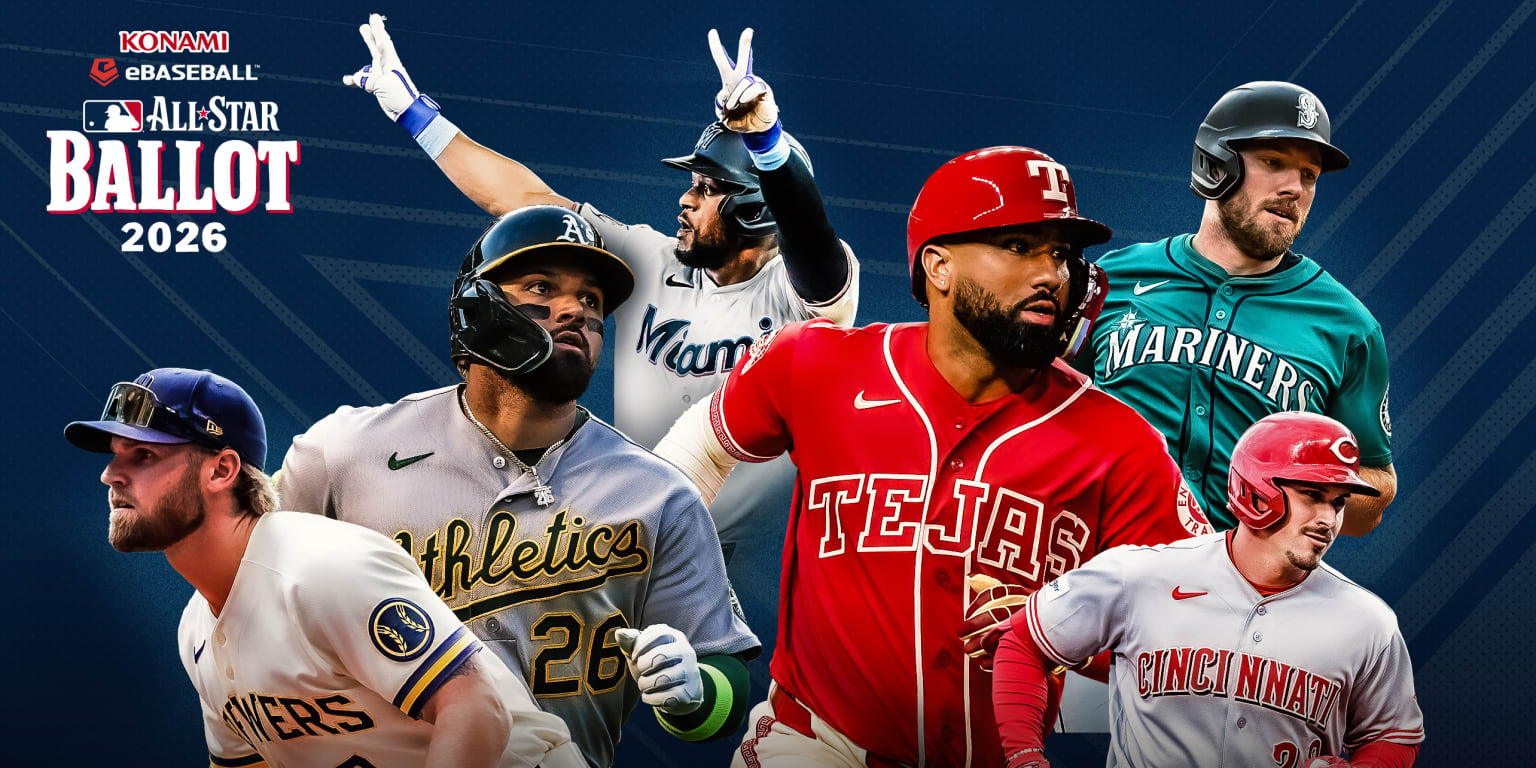
The 2026 All-Star Game lands in Philadelphia on July 14, and MLB's sleeper ballot is crowded with names that would have seemed like jokes six months ago. Otto Lopez, the Marlins' 27-year-old shortstop, leads the majors in batting average at .342 with 94 hits. Jake Bauers, a journeyman utility bat for most of his career, is posting a .905 OPS tied for 16th-best among qualified hitters. JJ Bleday, non-tendered by Oakland last offseason, is now a .929 OPS threat in Cincinnati. Curtis Mead, the 25-year-old Australian acquired by Washington in a low-profile deal, carries a .820 OPS and 131 OPS+ in just 54 games. These aren't the usual suspects. They're evidence that several offenses have undergone structural improvements beneath the star names.
The clustering matters. The Marlins have two All-Star-caliber sleepers in Liam Hicks (catcher, .844 OPS) and Lopez; the Rangers' Ezequiel Duran (.787 OPS, 1.7 WAR) is performing well ahead of preseason expectations in a lineup that entered June tied for third-fewest runs in baseball; the Nationals, under new front office direction, have Mead sparking a revived offensive infrastructure. These aren't flukes isolated to individual players. They're signals that lineup composition has shifted upward faster than preseason projections captured. The books priced team run totals and over/under limits for the season assuming mid-tier offensive output from these rosters. The fact that Lopez is leading the majors in hits and average, that Bauers has nearly doubled his historical power production, and that Bleday has sustained a .929 OPS after a rough 2025 suggests the baseline for June-July scoring has moved higher than the lines anticipated.
For prop purposes, the edge lies in exposure to teams whose sleeper All-Stars are anchoring lineup improvements that haven't fully migrated into totals pricing. The Marlins rank 25th in team runs through June 15, yet have multiple hitters showing legitimate All-Star-level production. The Rangers sat third-last in run output entering the weekend, but Duran's midseason emergence—after years of disappointment—indicates offensive velocity that preseason models didn't forecast. When a player goes from "journeyman platoon bat" (Bauers) or "non-tendered depth piece" (Bleday) to performing at top-15 or top-20 output within their position group, the line adjustment lags behind the actual production gain. Markets were built on lower ceiling assumptions for these contributors.
The calendar matters here: the All-Star Game is 30 days away, and these breakout performances have compressed the window for preseason skepticism to persist. Teams like Miami and Washington, which entered June with below-market run expectations, now have two legitimate All-Star-caliber contributors each. The Reds, which acquired Bleday, are benefiting from acquisition timing that the preseason market didn't reward sufficiently. A 50-game sample from Mead (54 games, .820 OPS, 131 OPS+) is long enough to suggest this isn't noise—it's a genuine lineup piece. When you layer in Lopez's .342 average across 94 hits, you're looking at a player who has, in roughly half a season, demonstrated sustained excellence that moves team totals.
The prop implication is straightforward: team totals for Marlins, Nationals, Reds, and Rangers games over the next month represent the market's legacy pricing, not current offensive capability. Sleepers becoming All-Stars isn't random. It's a proxy for lineup infrastructure that was underestimated in preseason models and remains, through mid-June, underpriced in game totals. The edge is on overs where sleeper-heavy lineups show up—particularly teams that ranked low in early-season run projection but have since placed multiple hitters into All-Star conversation.