Jones Arrives as Brewers Shuffle Depth; Hamilton's Hamstring Opens Lineup Volatility
By Justin Erickson ·
Milwaukee promotes a utility prospect into a vacancy created by injury, triggering cascade moves that expose depth concerns down the stretch.
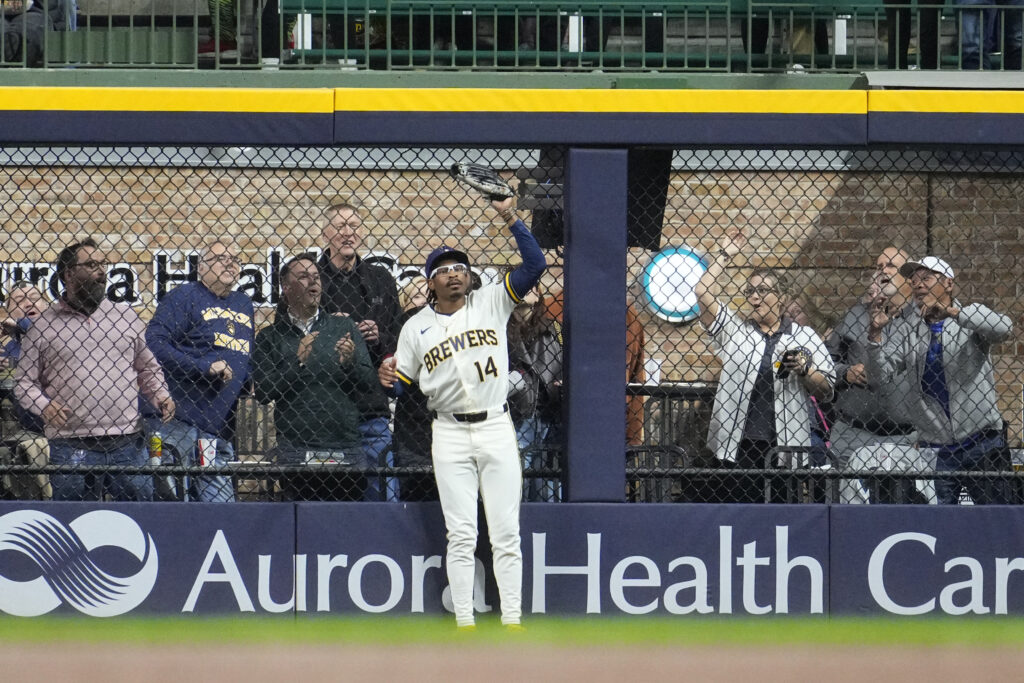
The Brewers selected Greg Jones's contract on July 7, filling the roster spot vacated by infielder David Hamilton, who landed on the 10-day injured list with a strained left hamstring. To clear a 40-man slot, Milwaukee shipped outfielder Brandon Lockridge to the 60-day IL. The moves are procedurally routine—roster churn in July, injury management in a pennant race—but they expose a structural bet worth watching: the Brewers' depth chart has just tightened at positions where they can least afford volatility.
Hamilton's absence is a mid-season test. He's been a role player—a backup infielder with occasional starts—but his injury forces the Brewers into a choice: extend reps to Jones (a prospect with versatility but unproven MLB consistency) or shuffle existing lineup construction around reserves. Jones, a 28-year-old utility prospect, brings defensive flexibility and contact ability but carries minor-league offensive profiles that haven't translated cleanly in brief callup windows. Lockridge's move to the 60-day IL suggests Milwaukee views him as unavailable for the stretch run, which means the bench depth behind the starters has contracted further.
For prop bettors, this cascade creates a two-layer angle. First, the Brewers' ability to execute consistent team totals and spread outcomes depends on starter health and regular positional continuity. A string of 10-day IL stints—especially to position players rather than pitchers—compresses lineup flexibility and increases variance in offensive output. Second, if Hamilton's hamstring recovery stretches beyond 10 days (a realistic concern with muscle strains early in treatment), the Brewers will be forced to rotate underutilized backups into high-leverage spots. Jones's limited track record makes him a volatility vector in games where Milwaukee is expected to score 4.5 runs or fewer; he could anchor an under in a close contest or fail to produce in a spot start, creating single-game noise that erodes team-total predictability. The market has not yet fully priced this depth-chart fragility into Brewers totals, particularly in the next week while uncertainty about Hamilton's return window remains fluid.