Hamilton's Inside-the-Park Score Exposes Cubs Defense Vulnerability
By Justin Erickson ·
A second consecutive day of center-field miscues by Crow-Armstrong handed Milwaukee three unearned runs and early control of a game the Brewers were chasing for a sweep.
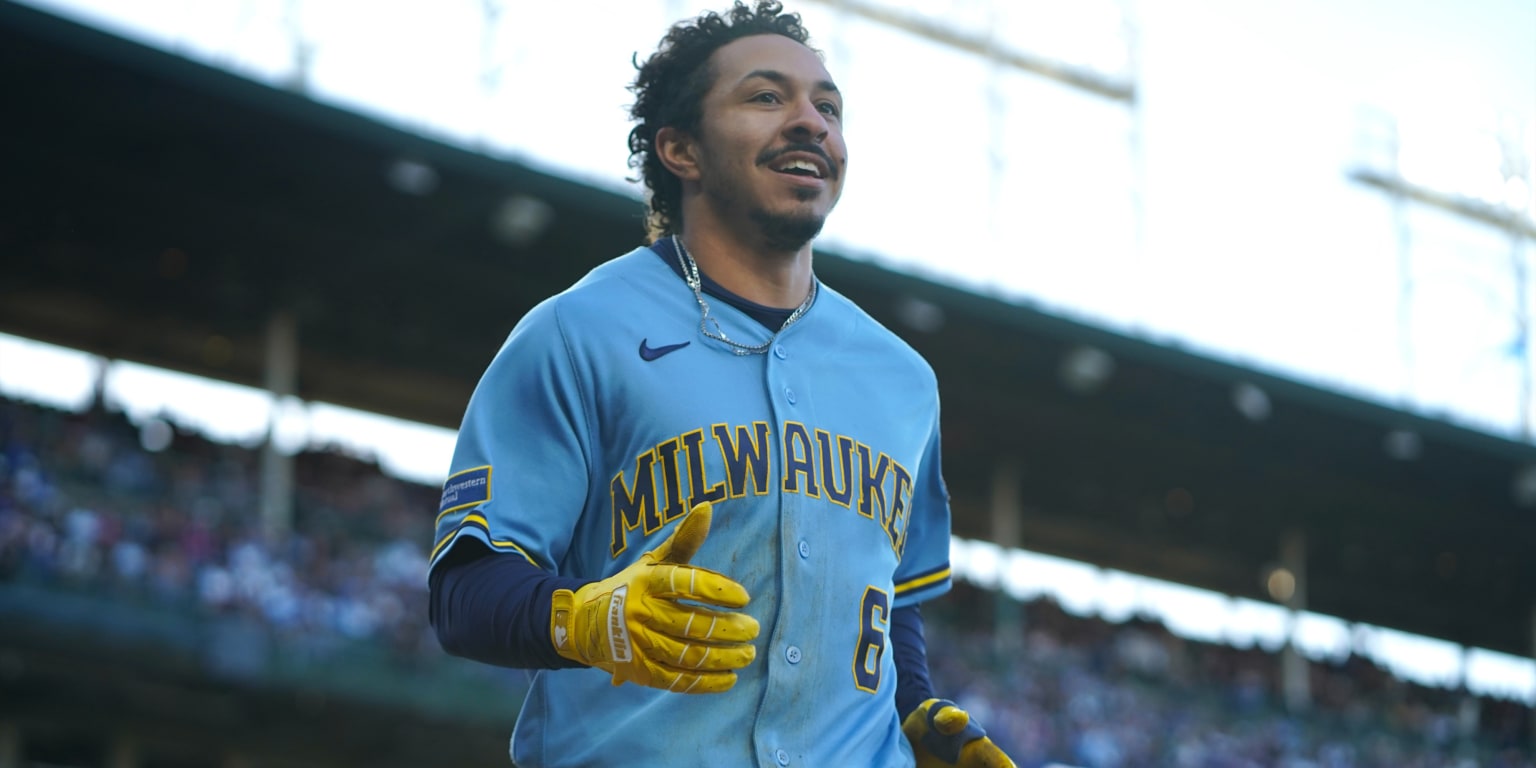
David Hamilton's sprint around the bases Wednesday at Wrigley Field wasn't a product of speed alone—it was a window into a structural problem the Cubs' defense is broadcasting loudly. The Brewers' leadoff speedster lined a routine single to center in the second inning, but Cubs center fielder Pete Crow-Armstrong misplayed it badly enough that the ball rolled all the way to the wall. Hamilton circled the bases in 10.03 seconds total, scoring three runs on what should have been a single. It was the second consecutive game Crow-Armstrong was charged with a costly center-field error, turning Milwaukee's afternoon at Wrigley from competitive into a rout before the third inning was complete.
The mechanics here matter for Milwaukee's offensive calculation. Hamilton's 5.04-second sprint down the line ranks him in the 80th percentile for speed among position players. But the value of that speed depends entirely on when the defense gives him runnable bases. Against a team with known center-field misread tendencies—especially two days in a row—Milwaukee's aggression on the basepaths becomes a higher-variance, higher-upside play. Teams that exploit fielding vulnerabilities, even temporary ones, often sustain offensive momentum across multiple games because the defensive weakness doesn't correct instantly. A single misplay is bad luck; two in 24 hours suggests a pattern the Brewers can target.
For betting purposes, this shapes how you should view Brewers team totals and run-line expectations in the series. When a team is in position to complete a sweep and the opponent's defense is actively self-destructing, the market's initial line-setting gets tested within the first few innings. If you're sharp on this kind of vulnerability—a repeating edge like Crow-Armstrong's positioning in high-leverage center-field situations—the early number often underprices Milwaukee's upside. The Brewers entered this game hunting the sweep; a three-run margin that falls into their lap in the second inning shifts the calculus from a close game where they need to scratch for runs to one where they can play prevent defense and let the lead breathe. Hamilton's speed becomes relevant only when the defense gives him opportunities, but when it does, the expected value compounds across a full series.
The secondary angle is Brewers run-line and team-total overs in remaining games against Chicago. Defenses that leak multiple times in the same window—same position, same batter type—often continue leaking because the adjustment requires live reps and coaching intervention, neither of which happens mid-series. If Crow-Armstrong's misplays are rooted in positioning against fastballs on the inner half (a common trigger for defensive mistakes in center), expect Milwaukee's lineup to hunt that same release point again. This isn't a one-game spike; it's evidence of a matchup inefficiency that persists until the Cubs make a tactical change.