Milwaukee's Plate Discipline Is Wearing Down NL Central—And Books Are Slow to Adjust
By Justin Erickson ·
The Brewers' 8-2 win over San Francisco exposed a single strategic advantage that scales across their entire lineup and has them positioned to run away with the division.
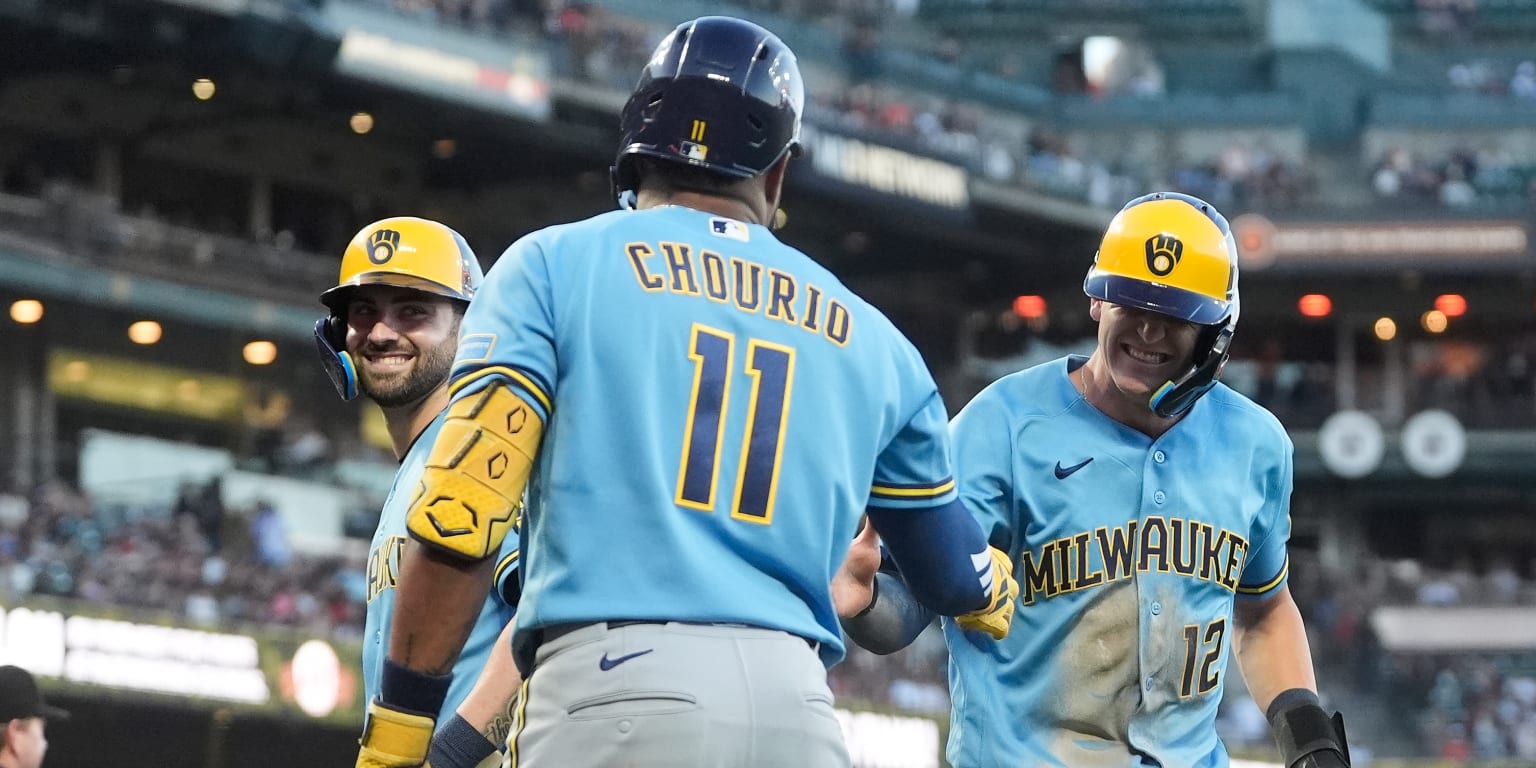
Milwaukee hammered San Francisco 8-2 on Tuesday night, but the headline obscures the real story. This wasn't a blowout born from random hot bats; it was a controlled dismantling rooted in one of the Brewers' structural advantages in 2026. They entered the game tied for third in baseball with 3.96 pitches seen per plate appearance—a relentless, systematic grinding that forces opposing starters into early exits and inflates bullpen usage across full series. The Brewers rank among baseball's elite at this brand of attrition, and they deployed it again with clinical precision.
Logan Henderson, a rookie on his 53rd appearance of the season for Milwaukee (the most by any team), inherited a chaotic first inning—33 pitches just to escape the first frame. But that early stress test actually illustrated the Brewers' broader offensive framework. Rather than chase early fastballs, the lineup forced Giants starter Landen Roupp into a 37-pitch second inning across just six batters, including a 10-pitch strikeout of Christian Yelich. The Brewers didn't need home runs or explosive moments; they needed four more pitches per batter than the Giants could afford. Cooper Pratt and Brice Turang delivered two-out singles. Luis Lara added a two-run triple later. Every starter reached base at least once. The composite picture: a lineup that understood its edge and executed it.
This offensive identity has been the hidden engine behind Milwaukee's six-game lead in the NL Central. They're not the flashiest team, and they don't project as a postseason juggernaut in Vegas models that overweight home-run rates and strikeout suppression. But they've found a durable, repeatable formula—high contact rates, disciplined pitch recognition, willingness to work deep counts—that translates to bullpen attrition and late-inning leverage. That formula appeared again Tuesday. Henderson settled into 5⅔ scoreless innings after the brutal first, and the bullpen cleaned up the remainder.
For prop bettors, the Brewers present a seasonal angle that most recreational markets haven't fully priced. Team totals for Milwaukee in games where they draw a right-handed starter with below-average K-rate remain undervalued because oddsmakers are anchored to home-run-dependent models of run production. The Brewers don't score that way. They score through base accumulation and pitcher exhaustion. When facing a starter with a walk rate above 8.5% and fewer than 8.2 strikeouts per nine—Landen Roupp fits both criteria—Milwaukee's ability to reach base and load the bases in high-leverage spots translates to concrete run probability improvements that books price as if they're dependent on long balls. Henderson's escape from the first inning is also worth monitoring for future props: young Brewers starters are seeing bullpen early-exit scenarios that would normally tank their line value, but the underlying runs allowed in follow-up innings remain suppressed because Milwaukee's defense and subsequent relief corps stabilize the game. A 33-pitch first inning would sink most rookie starters' overs; Tuesday, it didn't matter.
The path forward is clear. The Brewers' 3.96 pitches-per-PA mark will hold because it's rooted in lineup construction and coaching philosophy, not random variance. That persistence is the reason their lead over Chicago is durable and why their team totals against middle-tier right-handed starters—the bulk of their remaining schedule—will continue to find value before market adjustment catches up. Tuesday's win was a routine victory for this team. The prop markets treating it as noise remain the real inefficiency.