Hall's Return Clears Roster Space in Milwaukee; Pannone Exits
By Justin Erickson ·
The Brewers activate their left-handed starter from injury, forcing a depth-chart shuffle that signals confidence in Hall's durability down the stretch.
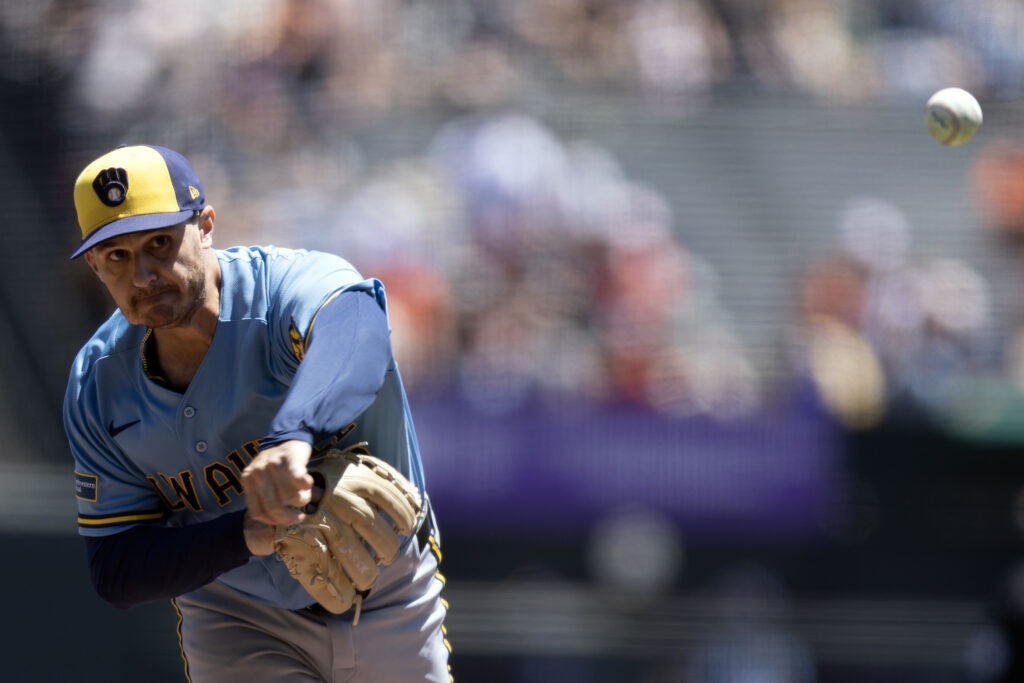
The Brewers reinstated left-hander DL Hall from the 15-day injured list on Friday, a move that triggered the designation for assignment of fellow left-hander Thomas Pannone. Milwaukee's 40-man roster shrinks by one in the transaction—from 39 to 38 players—clearing room for Hall's return to the rotation.
Hall's activation marks a near-immediate turnaround. For a mid-July move in late July, the timing suggests the injury was relatively contained and the organization has confidence in his availability for the final two months of the regular season. Pannone, a depth arm in Milwaukee's bullpen rotation, becomes the casualty—a standard cost when a starting-caliber pitcher returns from the shelf.
The bullpen math here is worth tracking. If Hall takes a spot in the rotation, the Brewers' reliever workload should normalize. Pannone's exit reduces the club's left-handed relief depth, which may push greater leverage onto whoever replaces him in that bullpen role. For games where Milwaukee faces a left-handed heavy opponent, the available LOoGY (Lefty One-Out Guy) pool shrinks, potentially forcing earlier deployment of premium arms or matchup compromises later in games.
From a betting standpoint, Hall's return is the immediate prop catalyst. The timing of his reinstatement—late in the season with two months remaining—suggests the Brewers view him as essential to their playoff push. His strikeout rate and innings volume will reset from the injury; look for his K prop to carry vig adjustments over the next 2-3 starts as the market recalibrates his usage level post-return. If Hall's velocity or spin rate readings held up during rehab work, his strikeout prop could track lower than his season baseline initially, as the first few starts often run conservative workloads. Monitor his pitch count allocation in his next outing; that's the tell for whether Milwaukee is ramping him fast or easing him back.