Bonemer's Double-A Hot Streak Points to a Near-Term MLB Elevation Window
By Justin Erickson ·
The White Sox's top prospect has hit .979 OPS in July across his first month at Double-A, signaling he may not spend much longer in the minors.
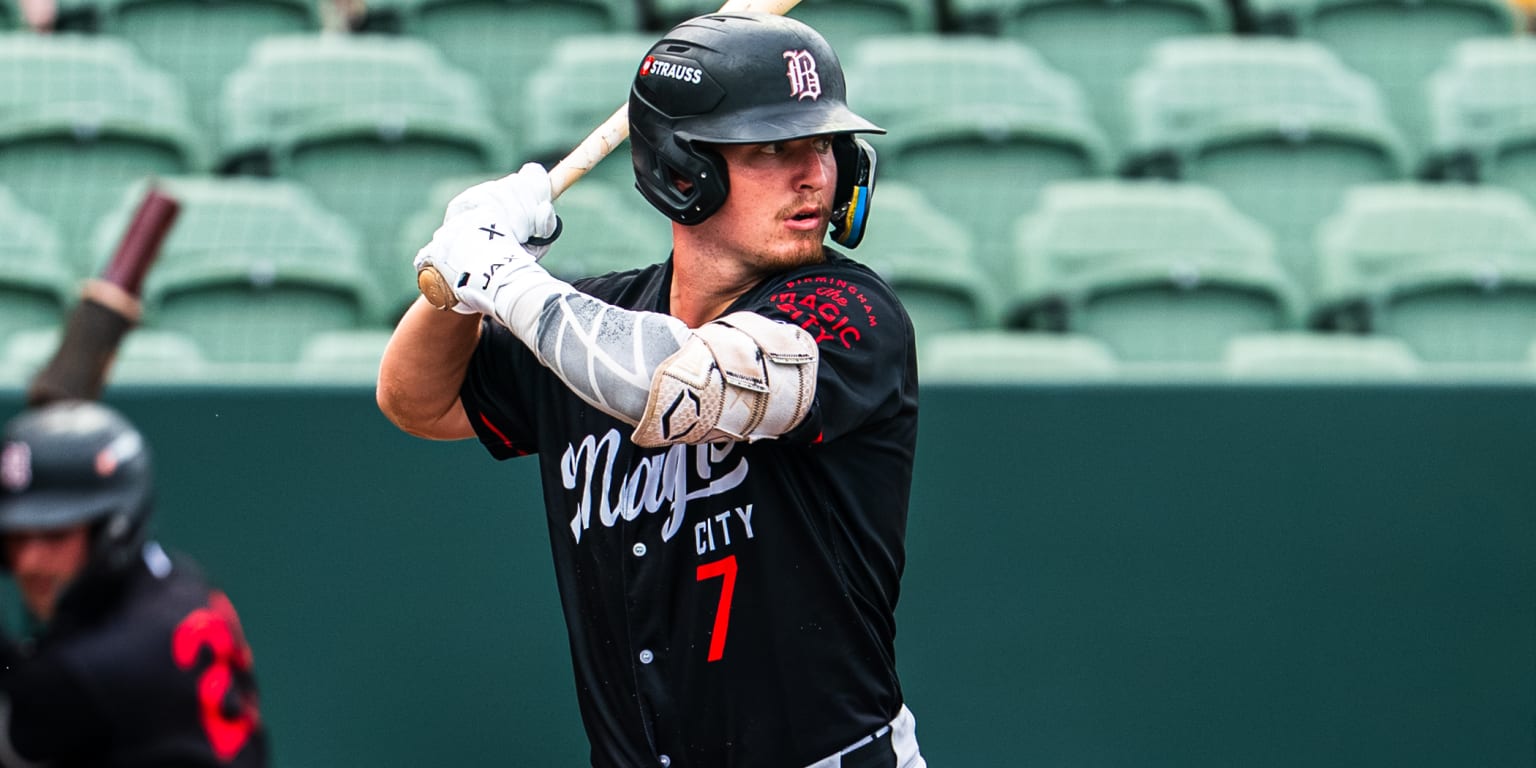
Caleb Bonemer went yard for the second straight night Wednesday, his fifth home run in July, as Birmingham rolled past Montgomery 8-6 at Riverwalk Stadium. The 20-year-old shortstop also doubled in the third and finished 2-for-5, extending a pattern that has defined his month: multiple hits in six of his last 14 games, a .979 OPS, and a refusal to look overmatched by Double-A competition roughly a month after his June 17 promotion.
What's happened since that bump reveals the scope of Bonemer's current trajectory. In just over a month at Double-A, he has slashed .278/.381/.495 with six home runs and 17 RBIs. Across both Single-A and Double-A combined this season, his OPS sits at .919—elite production for a 20-year-old who won't turn 21 until October. The raw power is unmistakable (24 homers leads all White Sox prospects in 2026), but equally telling is the discipline: his .381 on-base percentage at Double-A indicates he's not just hunting fastballs. He's working counts.
The timing of Bonemer's breakout carries organizational weight. The White Sox sent him to Double-A mid-June not on a playoff timeline, but as part of a prospect development calendar that typically reserves the age-20 season for advanced ball exposure. When a player posts a .495 slugging percentage and .979 OPS within six weeks of that level jump, front offices begin conversations about acceleration. He's not yet Triple-A—that's the next logical step—but the window for his arrival at that level is compressing. Teams don't demote hot hitters; they promote them.
For bettors tracking White Sox organizational movements and call-up probabilities, Bonemer's July surge matters in a secondary way. Minor-league performance doesn't directly move MLB betting lines, but prospect velocity does shape team payroll allocation and playoff-window urgency. A 20-year-old shortstop posting a .919 OPS across two levels tells the front office they have controllable, cost-efficient offense already in the pipeline. That influences how aggressively Chicago bids for mid-market talent at the trade deadline and whether they accelerate their contention timeline—both of which have downstream effects on team-total and run-line markets. A front office with confidence in its farm system behaves differently in August negotiations than one scrambling for help. Bonemer's trajectory is a tell, not a direct prop, but a tell that shapes the April 2027 narrative and the organization's July 2026 personnel decisions.