Kurtz's 46-Game Streak Mirrors the Discipline That Built It—And What It Means for His Props
By Justin Erickson ·
Nick Kurtz tied Rickey Henderson's franchise mark by refusing to chase; the same selectivity that built the streak reshapes how to price his contact and plate-appearance outcomes.
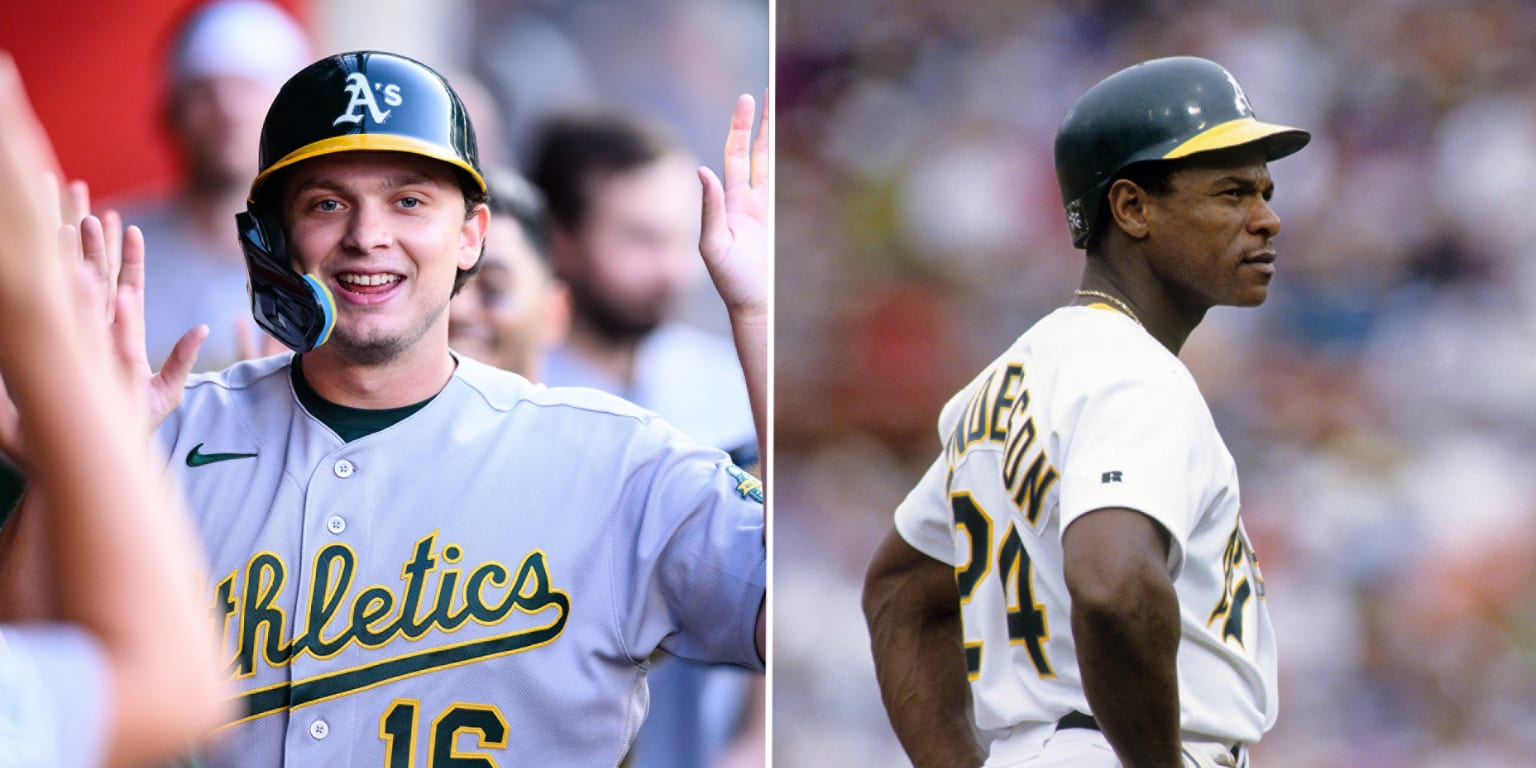
Nick Kurtz reached base in his 46th consecutive game Saturday against the Padres, tying Rickey Henderson's third-longest on-base streak in Oakland Athletics history. The hit—a 110.5 mph single off Lucas Giolito in the first inning on a 2-1 count—embodied the mechanical consistency that has sustained the streak rather than disrupted it. Manager Mark Kotsay's public reluctance to discuss active streaks finally broke when Henderson's name entered the conversation, but his framing of the achievement was revealing: Kurtz succeeds not through hot-hand aggression but through disciplined preparation and refusal to expand the zone.
That restraint is the baseline condition here, not a temporary variance. Kurtz is now 46 games into a single-season on-base streak at age 23, a tier occupied by Ted Williams (69 in 1941) and Stan Musial (55 in 1943). The historical comp pool matters because it isolates a specific skill: the ability to put the bat on contact within the strike zone while maintaining walk rates that sustain offensive value through prolonged stretches. Kurtz is not chasing hits; he is executing a repeatable approach. The streak itself is not momentum—it is a visible output of disciplined pitch selection and contact management.
For bettors, this distinction reshapes how to calibrate Kurtz's plate-appearance props. The market often prices hitting streaks as temporary hot zones prone to mean reversion, spiking BA (batting average) lines and tightening under-overs on run props. But a 46-game on-base streak rooted in plate discipline and selectivity—not launch-angle luck or pitcher misplacement—carries forward differently. His walk rate during this span is likely elevated relative to his season baseline; his strikeout rate is likely compressed. A batter who reaches base by refusing to chase expands his offensive value beyond traditional batting average, generating extra plate appearances and accumulating bases on balls at rates that sustain run-production capacity.
The operational implication: fade the sharp corrective moves on Kurtz's over-unders on runs and RBIs in the immediate term. The market will likely overshoot in pricing him as due for a strikeout or groundout, because streak narratives trigger reversion-bias trading. But a 23-year-old executing franchise-level plate discipline is not mispriced upward; he is mispriced as a momentum play rather than a systems player. His strikeout rate during the streak should remain compressed; his walk rate should remain elevated. Team totals featuring Kurtz at the top of the order will carry run-production equity that single-game lines have not yet captured.
The 46-game mark puts Kurtz two games behind Jimmie Foxx's 1932 single-season franchise record (47). That threshold sits immediately ahead, but the real betting edge is not in predicting whether he extends the streak—that's noise—but in recognizing that his plate discipline, now validated by historical company, provides persistent pricing slack on contact and walk props that the market still frames as streak-driven rather than skill-driven.