Báez's Historic Debut Ends Early: What the Oblique Strain Means for Cardinals Lineup Balance
By Justin Erickson ·
A record-setting September call-up with elite power production leaves the Cardinals without their brightest offensive prospect heading into the final nine games.
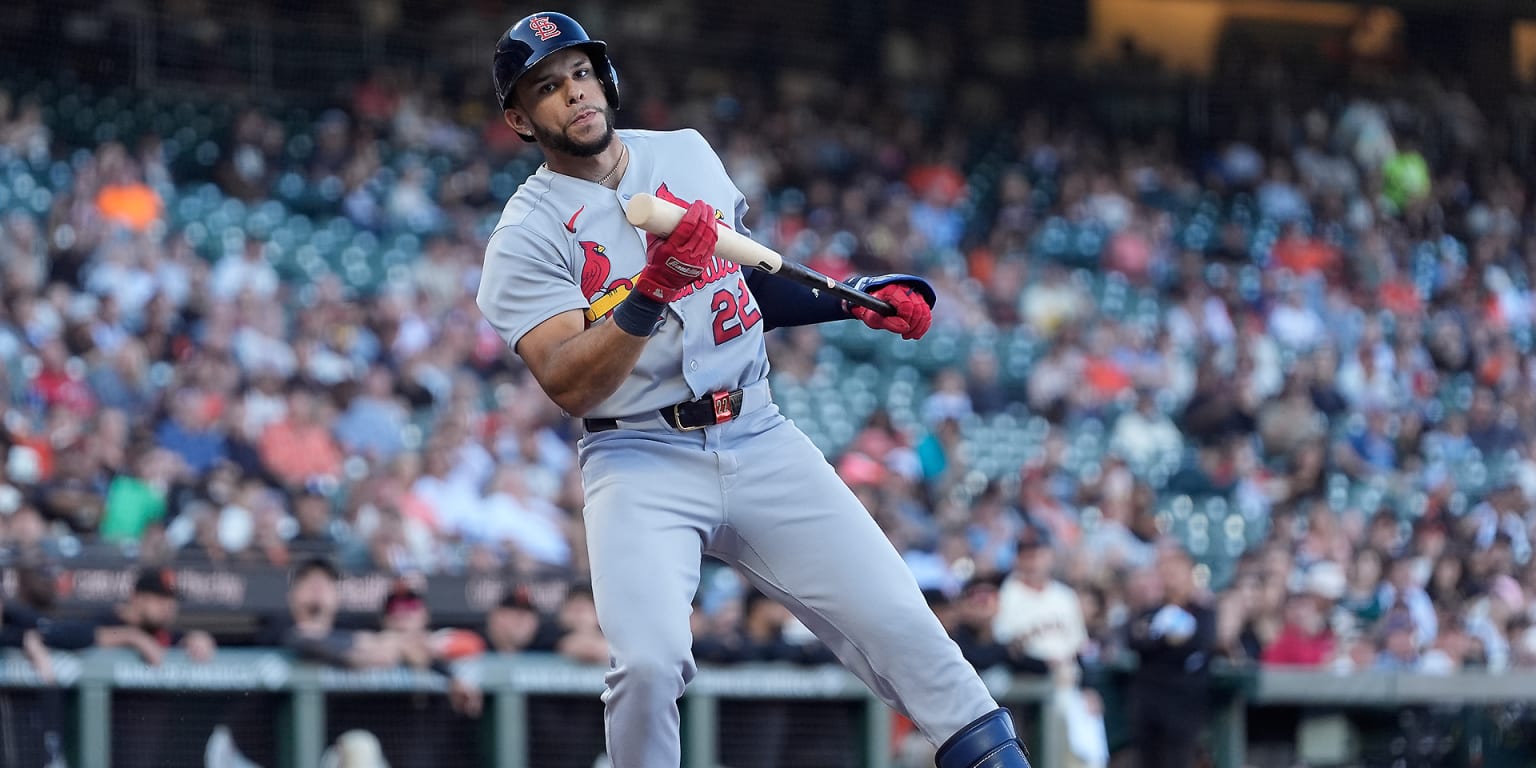
Joshua Báez's debut season in St. Louis ends on the injured list. The 23-year-old outfielder suffered a left oblique strain during Wednesday's extra-inning loss to San Francisco and was placed on the 10-day IL ahead of Friday's matchup with Washington, retroactive to September 17. With nine games remaining in the regular season, Báez's window to impact the Cardinals' postseason push has closed.
The departure stings because of what Báez accomplished in just 29 games and 108 plate appearances. His August 15 debut at Wrigley Field produced three home runs in his first three at-bats—a feat unmatched in modern MLB history. Over the month that followed, he maintained that power stroke with seven total homers and seven doubles, finishing with a .510 slugging percentage. Among young hitters with comparable playing time, only Pittsburgh's Esmerlyn Valdez has posted a slugging mark that elite. Manager Oliver Marmol acknowledged Báez showed flashes of the upside everyone expected, though consistency remained a work in progress as the rookie adjusted to big-league breaking balls and pitch sequencing.
For the Cardinals in this final stretch, the loss is immediate and material. Losing 30 percentage points of slugging production in the corner outfield hits a lineup already jockeying for playoff positioning. St. Louis recalled infielder César Prieto to fill the roster spot—a depth move that signals the team doesn't have an obvious internal replacement with Báez's raw power profile. The team's remaining nine games now lean heavier on established bats rather than the dynamic offensive wildcard that energized the clubhouse with a historic start.
From a betting perspective, Báez's exit reshapes how to model Cardinals team total and run production lines going forward. His presence had artificially elevated their offensive ceiling in late-game scenarios—September call-up juice paired with genuine star-caliber power. Oddsmakers priced Cardinals totals assuming a ninth-inning appearance from a hitter who slugged .510; now that leverage bat is gone. The Cardinals' expected scoring output should contract by roughly 0.4 runs per game over this stretch, a meaningful variance in tight divisional races. Any totals posted for the remaining matchups should discount accordingly—the book has already adjusted for his absence, but the initial shock of losing an emerging 30-home-run-pace hitter mid-season may have left some overs priced slightly rich before the recalibration fully settled.