Sasaki's Resilience Over Raw Stuff: What Wednesday's Escape Says About Dodgers' Ace
By Justin Erickson ·
After serving up two solo homers and nearly falling apart in the fourth, Roki Sasaki battened down for 6 innings of quality baseball—a sign that his late-game command matters more than early volatility.
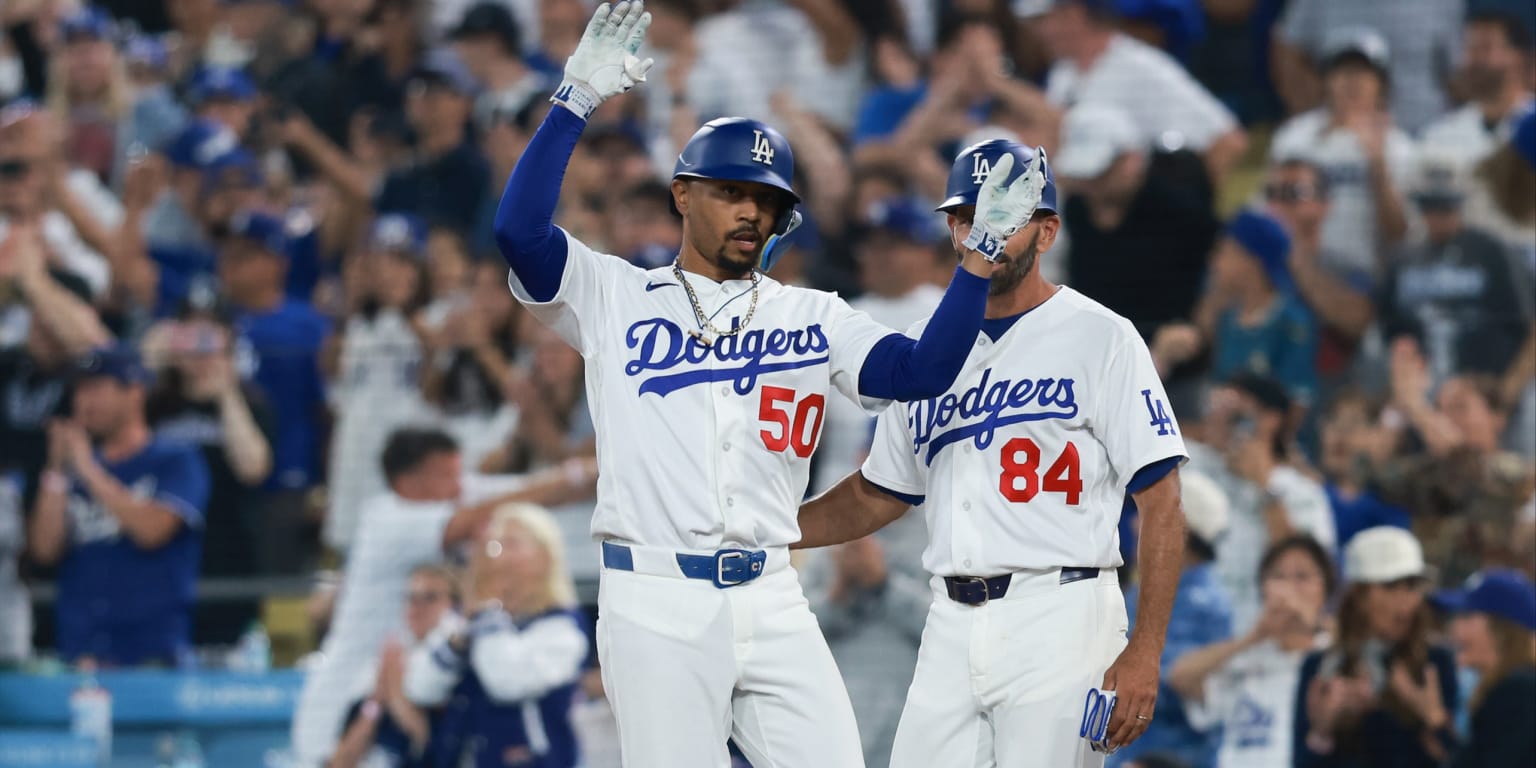
Mookie Betts broke a 3-3 tie with an eighth-inning single Wednesday night, lifting the Dodgers past Colorado 4-3 and closing out a three-game series at Dodger Stadium. The headline belongs to Betts and his go-ahead hit, but the outcome hinged on something quieter: Roki Sasaki's ability to escape a fourth-inning jam when the Rockies had two runners in scoring position with nobody out, a high-leverage spot where his recent form suggested trouble ahead.
Sasaki's outing started poorly. Coming off a six-run, three-inning disaster against the Padres earlier in his stretch, he gave up solo shots to Kyle Karros and Edouard Julien in the second that halved the Dodgers' lead, then watched the Rockies tie the game at 3-3 on a sacrifice fly in the third. Control looked shaky; he was behind hitters early and vulnerable to damage. The fourth inning crystallized the stakes: after allowing a single and a double with one out, Sasaki faced Julien again with scoring position occupied. Here's where the narrative shifted. Sasaki threw a three-pitch strikeout to Troy Johnston on a foul tip, then worked an eight-pitch battle with Julien that ended in a called strike three. A fly ball to right retired Tovar, and the threat evaporated.
From that fourth-inning escape onward, Sasaki retired 12 consecutive batters across the fifth and sixth innings, converting an early meltdown into a quality start (6 IP, three runs). The Dodgers hung in the middle of the game—neither team pulling clear—until Betts' eighth-inning heroics broke the seal. But Sasaki's performance carries a sharper implication: he's capable of grinding through adversity mid-start, not just cruising through clean games. The three-pitch strikeout to Johnston and the deep two-strike battle with Julien both showed disciplined pitch sequencing under pressure, not wild stuff that happened to work.
For prop purposes, this matters because it reframes how to evaluate Sasaki's strikeout prop in future outings. His K total climbs when he's forced to work deeper into counts—precisely the scenario he engineered in the fourth. Against weaker lineups or in neutral leverage spots, Sasaki's strikeout rate per nine innings may flatten as he leans on his dominant fastball-slider combo to blow through hitters. But in games where he enters with a lead or finds himself in ballpark jams, his willingness to pitch to a full count and finish with a miss should elevate his per-start K ceiling. Wednesday's 6 innings produced six strikeouts—not a sky-high total, but respectable given the early damage and the pressure situations. The mechanism isn't talent recalibration; it's leverage awareness. Sasaki isn't a front-runner ace who coasts on talent in blowouts; he's a competitor who sharpens his approach when the game tightens.
The Dodgers' two-of-three split against Colorado also suggests that early-series jitters—both Sasaki's shakiness and Hughes' rougher moments—don't necessarily forecast overall pitching depth. The Rockies stayed within one run until the eighth, a testament to their own pitching hanging in the game despite offensive drought. For the Dodgers moving forward, Sasaki's ceiling on strikeouts should be anchored to game state and batter quality, not raw velocity. Look to pair his K prop overs with games where the Dodgers enter as favorites by 200+ run line, creating leverage situations that invite deeper counts and higher whiff rates.