Benintendi's Pinch-Hit Grand Slam Exposes Yankees' Late-Game Bullpen Exposure
By Justin Erickson ·
A pinch-hitter's first-pitch bomb in the eighth inning—and the relievers who enabled it—tells a story about bullpen vulnerability that extends far beyond one Thursday night.
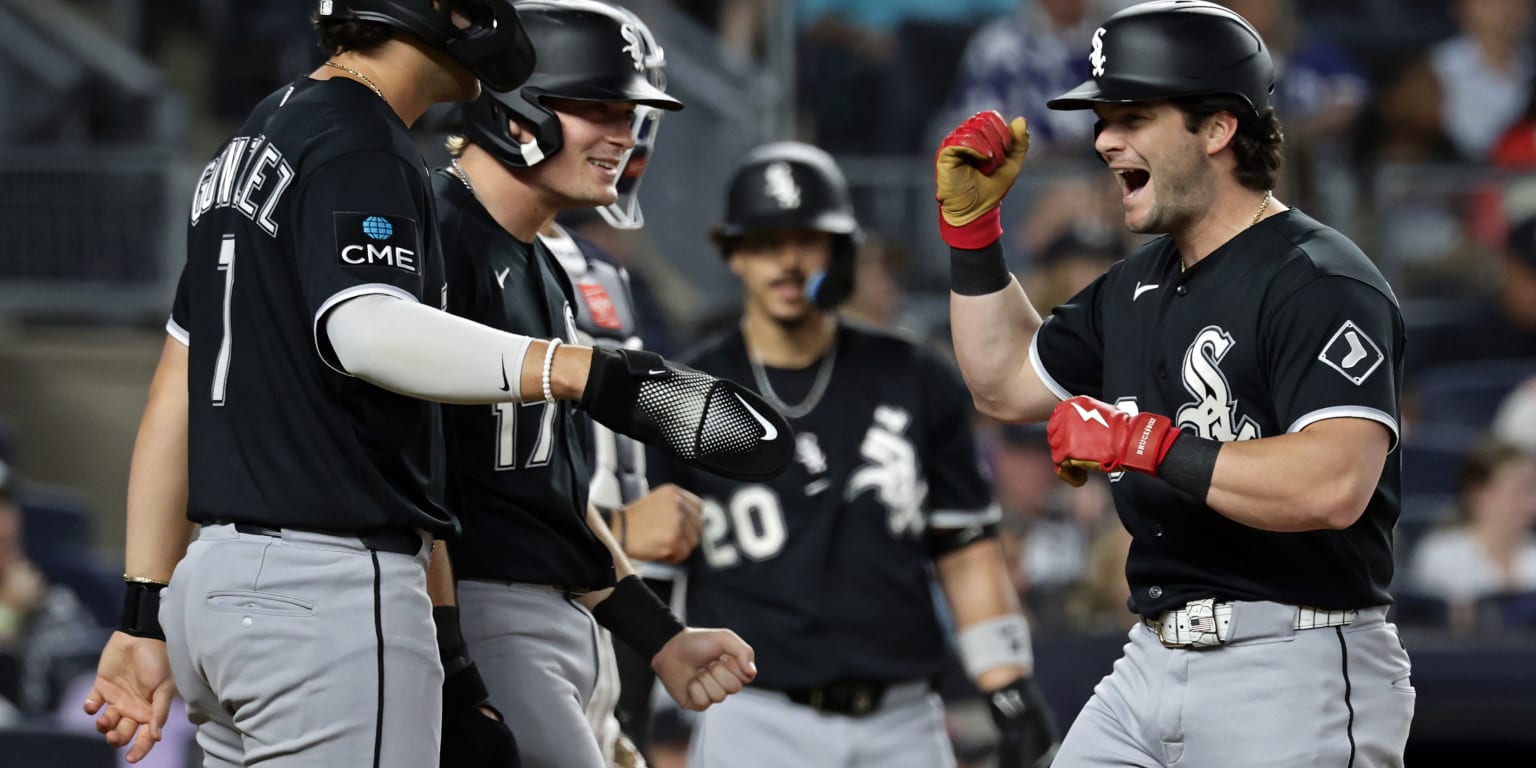
Andrew Benintendi walked into Yankee Stadium as a visiting player and left it as a nightmare. On Thursday night in the Bronx, the White Sox outfielder hammered a pinch-hit grand slam off Camilo Doval in the eighth inning of a 5-1 victory, the first such blast by a Sox bench bat since Orlando Hudson in September 2012. The setup mattered as much as the swing: bases loaded, one out, tie game at 1-1. Yankees manager Aaron Boone pulled Tim Hill—the left-hander who had been serviceable—in favor of Doval, a move that looked reasonable on paper but crumbled on the first fastball.
The deeper issue isn't Doval's one bad pitch; it's the structural fragility Yankees hitters exposed. Benintendi spent the second half of 2022 wearing pinstripes, and he clearly retained the read. More critically, the Yankees' eighth-inning construction—a parade of middle relievers facing a loaded bases situation—reveals a bullpen depth problem. Sean Burke, the White Sox's bulk reliever, struck out eight across 7⅓ innings while allowing just one run on five hits. That's the kind of depth performance that wins games when bench bats come through.
For prop bettors, this game illustrates why late-inning leverage matters. Benintendi didn't start. He entered as a platoon platypus in a high-leverage spot—exactly where pinch-hitters generate outsized value because they're fresh, focused, and often matched against a new pitcher's first sequence. The market hadn't priced him as a threat; he was a bench name. That invisibility is where edge lives. When a bench hitter produces in a high-leverage plate appearance, it's not noise—it's a signal that the deployment decision (pinch-hitting vs. starting) created a mismatch the book didn't price.
The prop angle here is structural: White Sox team total overs become more valuable when their bench production is this potent, especially in tight games where pinch-hitters carry elevated leverage. Benintendi's single swing added four runs to the Sox's total, pushing a 1-1 game to 5-1. That's the difference between an under and an over. Moving forward, any White Sox team total under 4.5 carries elevated risk until the market reprices bench production depth. The Yankees, conversely, face a pattern tax: their eighth-inning bullpen surrendered four unearned runs through a single at-bat, which is a personnel concern, not a one-off.