Bautista Returns to Orioles Closer Role, But Baltimore's Ninth-Inning Leverage Window Is Already Closing
By Justin Erickson ·
The Orioles get back their ace reliever with eight games left in the season, but ramp-up constraints and late-season leverage collapse crimp the utility of his return.
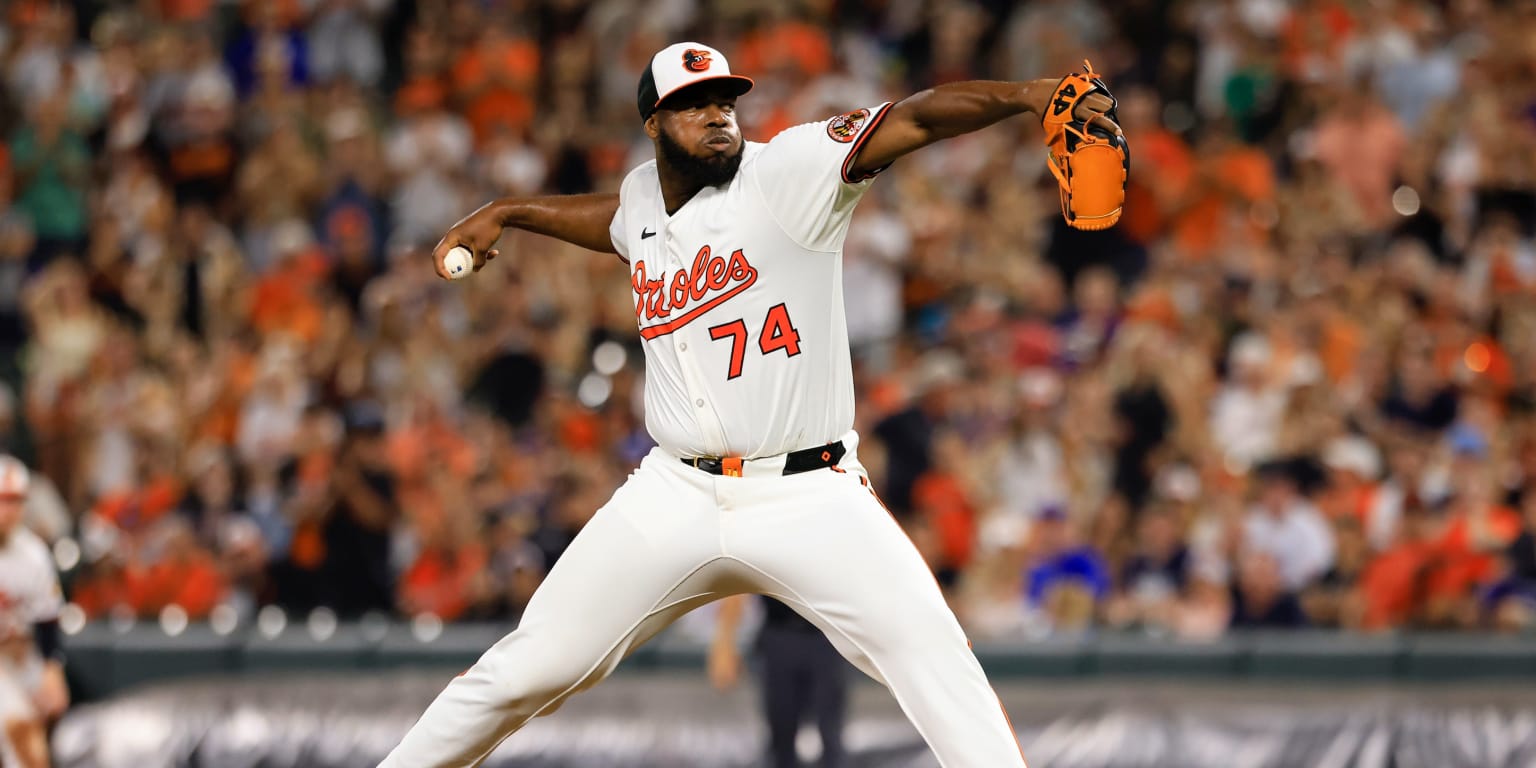
Félix Bautista was reinstated from the injured list Saturday ahead of Baltimore's game against Milwaukee, marking his first big-league appearance since July 20, 2025—more than 13 months of absence bridged by rotator cuff and labrum surgery last August. The 31-year-old right-hander completed a nine-game minor-league rehab assignment (2.35 ERA in 7⅔ innings at Triple-A Norfolk) and now returns to a bullpen that has been operating without elite ninth-inning depth since Ryan Helsley's elbow injuries limited him to 17 appearances and a 4.11 ERA in 15⅓ innings. Helsley, signed to a two-year, $28 million deal to anchor the closer role while Bautista recovered, has been shut down for the season with eight games remaining.
Baltimore's approach to Bautista's usage reflects the bind that long-term injury recovery creates in a truncated window. Manager Craig Albernaz made clear the team will not force Bautista into traditional ninth-inning leverage immediately, preferring to build him into lower-stress situations first. That caution is medically sound—rotator cuff repairs require progressive loading to avoid re-injury—but it collides with hard calendar reality. The Orioles enter this stretch with playoff positioning still fluid enough to matter, yet insufficient runway to both ramp Bautista gradually and deploy him in high-leverage spots where his elite track record (2.01 ERA, 67 saves across 156 appearances since 2022) would shift win probability most meaningfully.
The mathematics here are unforgiving. Bautista's career value as a closer is built on his ability to shut down games in the ninth inning with runners on base—situations where his 2.01 career ERA generates the largest leverage multiplier. Limiting him to low-leverage innings for the next week or two burns through perhaps 4-5 of the 8 remaining games, leaving only a 3-4 game window where he might accumulate traditional closer opportunities. That's an insufficient sample to move the needle on Baltimore's win-loss record or playoff probability. The organization is essentially accepting a lost season from Bautista's 2026 contribution to purchase health and readiness for 2027.
For bettors tracking reliever prop leverage, this is a fade moment on Bautista's strikeout and save lines. His K/9 rate (11.2 career) looks tempting at first glance, but the restricted usage pattern—manager explicitly reserving the right to pull him early and keep his pitch count controlled—will suppress both volume and the high-velocity aggression that generates his strikeout rate. A reliever used in the third or fourth inning with a strict pitch budget (typically 15-20 pitches) doesn't deliver his full strikeout-per-inning profile. The market will price Bautista's comeback with some recency discount (he's been absent 13 months), which is correct, but will also assume traditional closer deployment. That assumption doesn't hold. Wait for Bautista to accrue 5-7 consecutive appearances in legitimate leverage spots before trusting his strikeout props at face value; early games in this stretch offer asymmetric downside risk from limited innings and conservative pitch management.
For Baltimore's team totals and moneylines, Bautista's return is a bullpen marginal gain, not a season-tilting inflection. The Orioles' win/loss probability for the final eight games depends far more on starter health, offense consistency, and opponent quality than on deploying a reliever in single-inning, low-leverage spots. Price Bautista's return as organizational good news that doesn't shift game-level odds materially.