Giants' Injury Cascade Decimates Depth Chart: Bader's Scooter Setback Compounds Roster Crisis
By Justin Erickson ·
A secondary foot injury and two more season-altering diagnoses leave San Francisco's lineup threadbare and their pitching pipeline crippled.
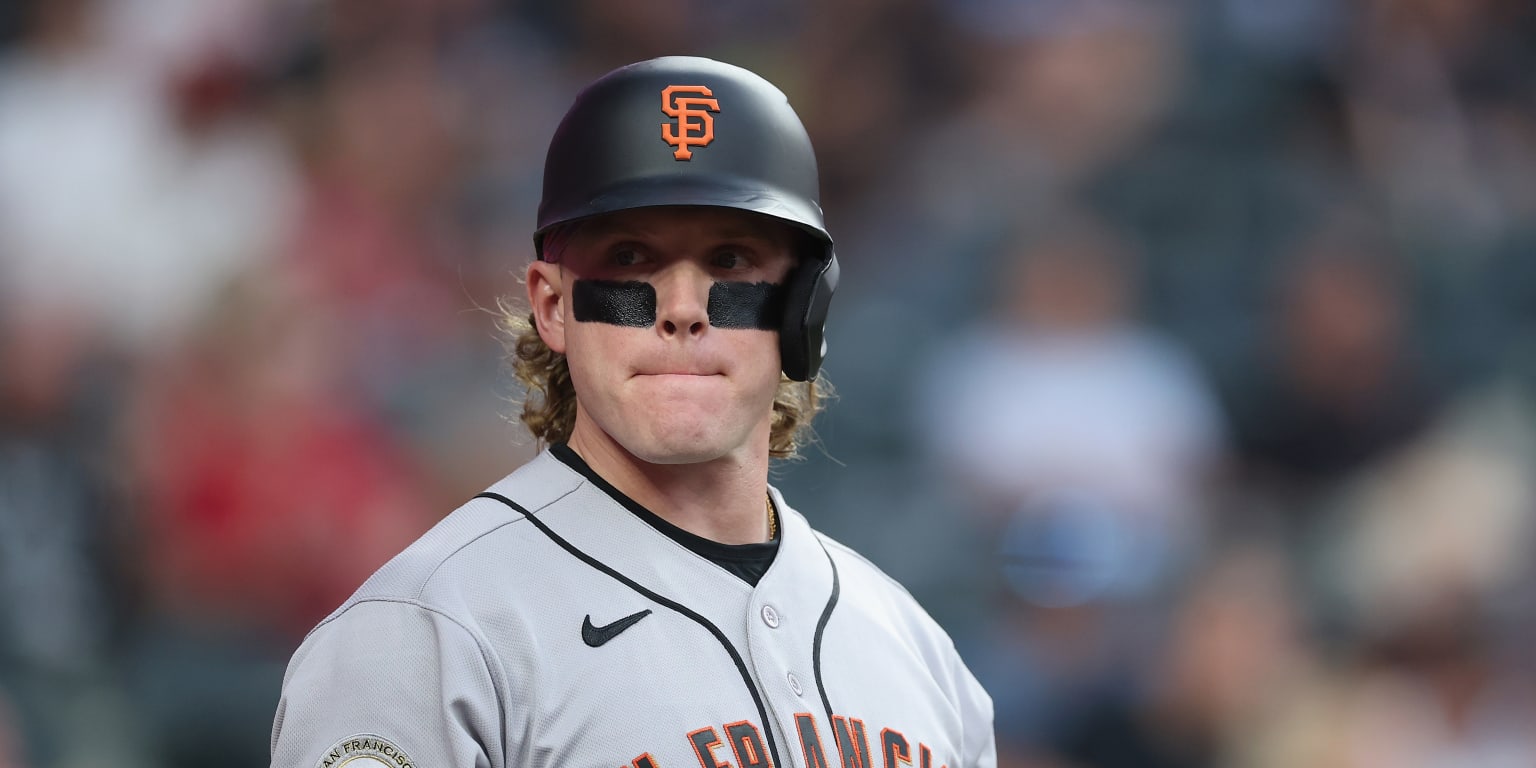
The Giants announced Tuesday that center fielder Harrison Bader will require an extended recovery timeline after a scooter accident over the weekend further damaged his already-injured left foot. Bader, sidelined since May 30 with plantar fasciitis, was examined by foot specialist Dr. David Porter on Monday but the secondary trauma from Saturday night's crash complicated his prognosis. Manager Tony Vitello acknowledged the setback will likely delay what was already shaping up as a lengthy return-to-play window. The news came as part of a broader roster catastrophe: infielder Casey Schmitt suffered a torn meniscus in his left knee, and rookie starter Trevor McDonald will undergo Tommy John surgery next week after an MRI revealed a moderate UCL strain.
Bader's injury timeline now stretches indefinitely. He originally went down May 30 and missed roughly two months before attempting a brief return; he appeared in just 15 games before the plantar fasciitis flared again. The scooter incident, which the club confirmed occurred "Saturday night/early Sunday morning," means any IL window extends well into August at minimum, and realistically into September or beyond. At 32 and in the first year of a two-year, $20.5 million deal signed in January, Bader has managed only 30 games played with a .170 average and .557 OPS—numbers that suggest the foot issue predates and undermines his entire offensive profile. He cannot generate the leverage needed to drive the ball, and center field depth in San Francisco now hinges entirely on backups and call-ups.
McDonald's surgery is the more damaging blow to the organization's future. The 25-year-old was the organization's most valuable young starting arm, and while his 5.12 ERA over 14 starts this season masked some volatility, the UCL damage is definitive: Dr. Keith Meister will perform the operation next week, and the Giants should budget for a complete 2027 absence. Tommy John recovery windows typically extend 12-18 months, placing McDonald's earliest realistic return date in late 2027 or early 2028. He represents one of the few controllable, sub-30 arms in a rotation otherwise leaning on aging or injury-prone starters.
From a betting perspective, Bader's absence doesn't move the Giants' total-run projections meaningfully—he's been a sunk asset all season—but it does crystallize the team's offensive limitations. The Giants have fielded a below-average offense for months, and losing Bader's at-bats (however unproductive) from a productive position eliminates even nominal lineup depth. Team totals for SF games have already compressed due to pitching injuries and aging positional players; Bader's extended absence removes what little optionality existed in the center-field spot. Unders on Giants team totals at 3.5–4.0 runs carry elevated durability because the lineup now has fewer ways to manufacture offense. This is a multi-week edge, not a single-game anomaly: until Bader proves healthy and productive (which requires weeks of rehab), the Giants' ceiling on run production tightens.
McDonald's surgery signals a broader pitching shortage that will ripple across the SF schedule. The rotation loses its youngest controllable starter mid-season, forcing the club to lean harder on reclamation arms and aging veterans. Innings-based prop angles—strikeout totals for remaining starters, bullpen workload—will shift as the Giants lean more heavily on established relievers. The team faces a compounding depth crisis: without McDonald's turn in the rotation and with Bader's departure from the everyday lineup, San Francisco's path to competitive baseball in 2026 narrows significantly.