Peña and Alvarez Break Through: Early Batting Work Pays Off in Astros Win
By Justin Erickson ·
Two months of offensive drought ended in a single night when Houston's star sluggers connected on back-to-back homers, signaling either a genuine correction or a false bottom worth treating with caution.
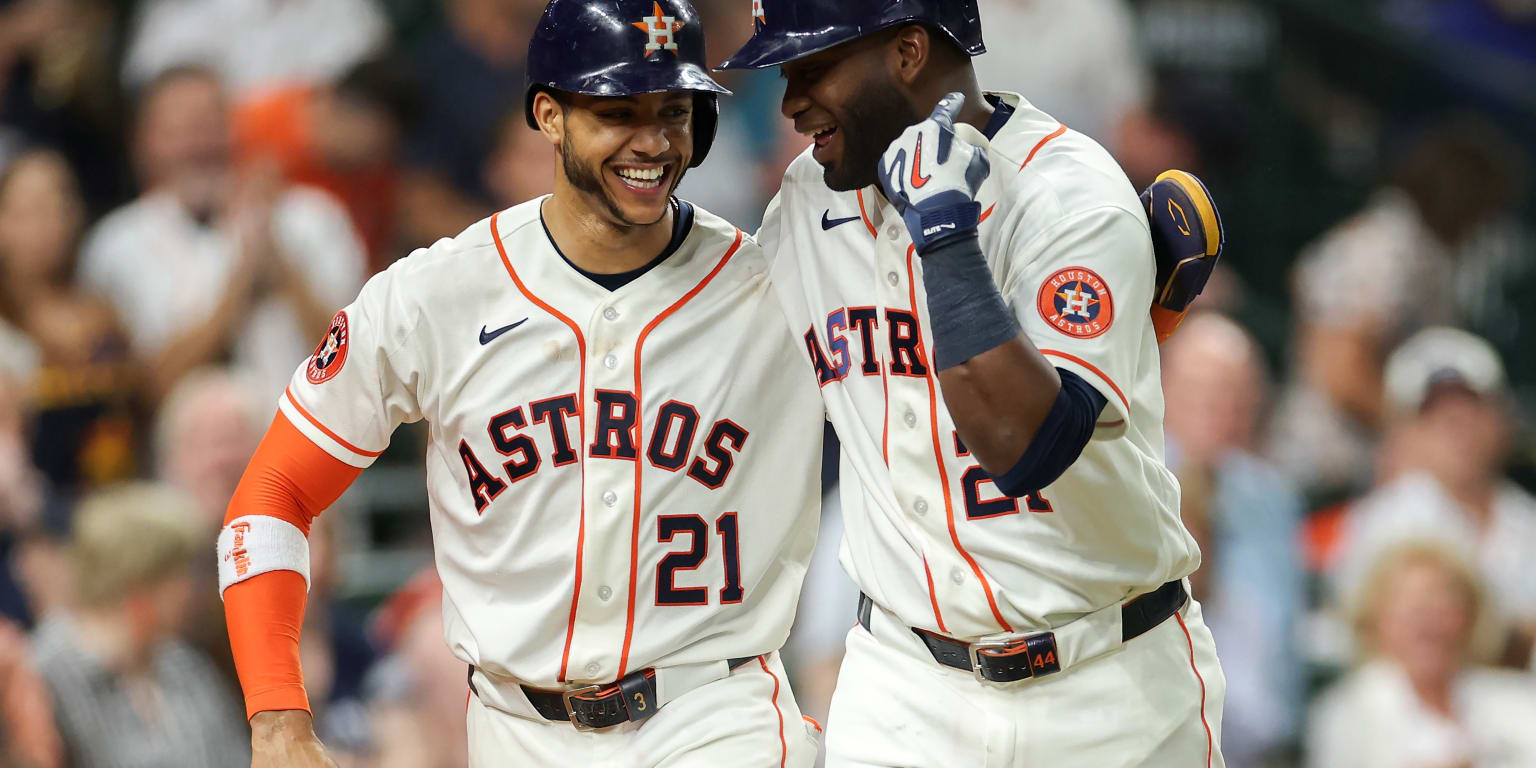
Jeremy Peña and Yordan Alvarez arrived at Daikin Park on Tuesday afternoon for extra batting practice before facing Kansas City—a rare midday commitment that spoke to the urgency of their respective slumps. Within hours, both homered twice and once respectively, driving in all four runs in Houston's 4-2 win and stopping a three-game losing streak.
The context matters. Since early August, Alvarez had hit .242/.380/.383 with only three homers over a six-week stretch; Peña was worse at .170/.220/.298 with four long balls in that same window. These aren't minor statistical hiccups for a contending offense. Peña and Alvarez combined for all four of the Astros' hits Tuesday and accounted for all four RBIs—complete offensive dependency on two players breaking out simultaneously. Manager Joe Espada framed the extra work as mechanical recalibration: focus on barrel accuracy, pitch selection, tempo in the swing. Nothing revolutionary, but the application in a game that mattered produced immediate results.
On the pitching side, Hunter Brown delivered 10 strikeouts in five innings with one run allowed, and Houston's bullpen retired 12 of its final 13 batters. That's competent depth execution, but the Royals' offensive output—one homer from Vinnie Pasquantino—suggests Kansas City was outmatched rather than Houston looking dominant. One win after a two-month drought doesn't erase the offensive pattern.
For bettors, Tuesday presents a classic trap scenario. A single-game explosion from prolonged underperformers generates immediate line movement and public attention. Books will shorten Astros team totals heading into Wednesday and beyond; the public will pile into Peña and Alvarez prop overs. But one night of early batting-practice mechanics against a middling Royals pitching staff doesn't constitute a sustained correction. Alvarez's underlying metrics over six weeks—a .383 slugging percentage in a power hitter—point to real mechanical or health issues, not just bad luck. Peña's .170 average isn't noise; it's a complete offensive breakdown. That either resolves slowly over the next 10-15 games or it doesn't. A single two-homer performance is a data point, not a trend reversal. The smarter angle is waiting 48-72 hours for the market to overcorrect on both sluggers before deciding whether their numbers are sustainable or reverting to fade.
Brown's strikeout rate (10 in 5 innings) is closer to his season baseline and worth tracking separately. His control (3 walks in that span) remains a constraint on upside, but the whiff rate suggests his stuff is live. Lean toward his strikeout props in future starts if similar velocity metrics hold.