Matthews Back in the Mix: Houston Clears Roster Space for Stretch Run
By Justin Erickson ·
The Astros activate an outfielder-infielder from injury just as the playoff window narrows, signaling depth investment over proven production.
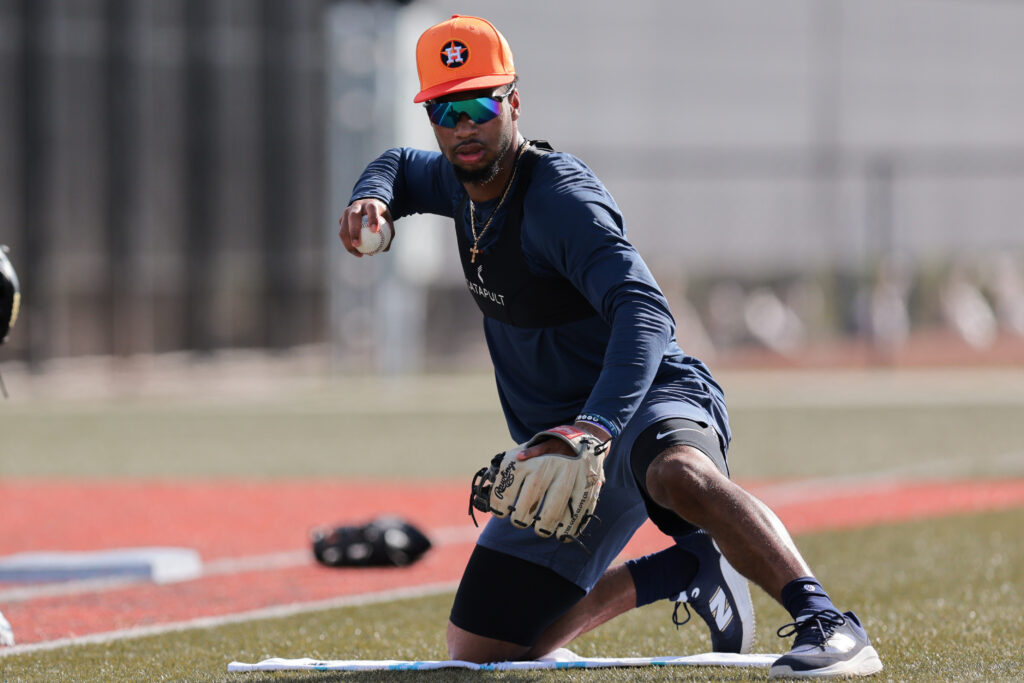
Houston activated outfielder-infielder Brice Matthews from the 60-day injured list Saturday, clearing his roster spot by designating outfielder Jorge Barrosa for assignment, per MLB.com. The move comes with roughly two weeks left in the regular season—a window where most contenders lock in their playoff-ready lineup rather than reintegrate recovering players.
Matthews' activation timeline matters here. A 60-day IL stint means he's been sidelined since late July, missing nearly seven weeks of regular-season action. That's a substantial absence heading into October baseball, where rhythm and timing compound into leverage situations. Barrosa, who hasn't carried consistent playing time this season, becomes the expendable piece—the organization's way of signaling that position-flexibility upside (Matthews can play both corners and second base) carries more optionality value than a fourth outfielder with marginal major-league reps.
From a roster construction angle, this hints that Houston's primary lineup has either stabilized or shown wear patterns they believe Matthews can address off the bench. He's not coming in as an everyday starter; the timing rules that out. Instead, he's inventory for pinch-hit situations, defensive substitutions late in close games, and the kind of multi-positional depth that matters in a best-of-five or best-of-seven format where matchup management becomes decisive.
For prop bettors, the activation adds uncertainty to Astros lineup construction in their remaining September games and carries forward into October. If Matthews enters games as a late-inning defensive replacement or pinch hitter, he'll eat plate appearances from the players you'd normally target for hits, RBIs, or runs props. That's particularly relevant if Houston is using him against left-handed pitching—a common bench-player deployment—because it narrows the opportunity pool for regular right-handed batters in the order. Teams that activate depth this late aren't signaling confidence in their baseline production; they're hedging against injuries or seeking marginal edge cases in matchups.
The Barrosa move is equally telling. No contender designates a young depth piece for assignment unless they've made a clearer organizational call about who fits the playoff roster. That clarity in the front office's thinking usually precedes lineup stability—but it can also mean expanded pinch-hit usage, which compresses at-bats for your target hitters across the rest of the September slate.