The Vulture Strikes Again: How Ashby's Win Dependency Reshapes Milwaukee's Pitching Value
By Justin Erickson ·
Aaron Ashby's path to 10 wins—all earned in relief—is creating a rare market inefficiency in pitcher win props and Brewers moneyline pricing.
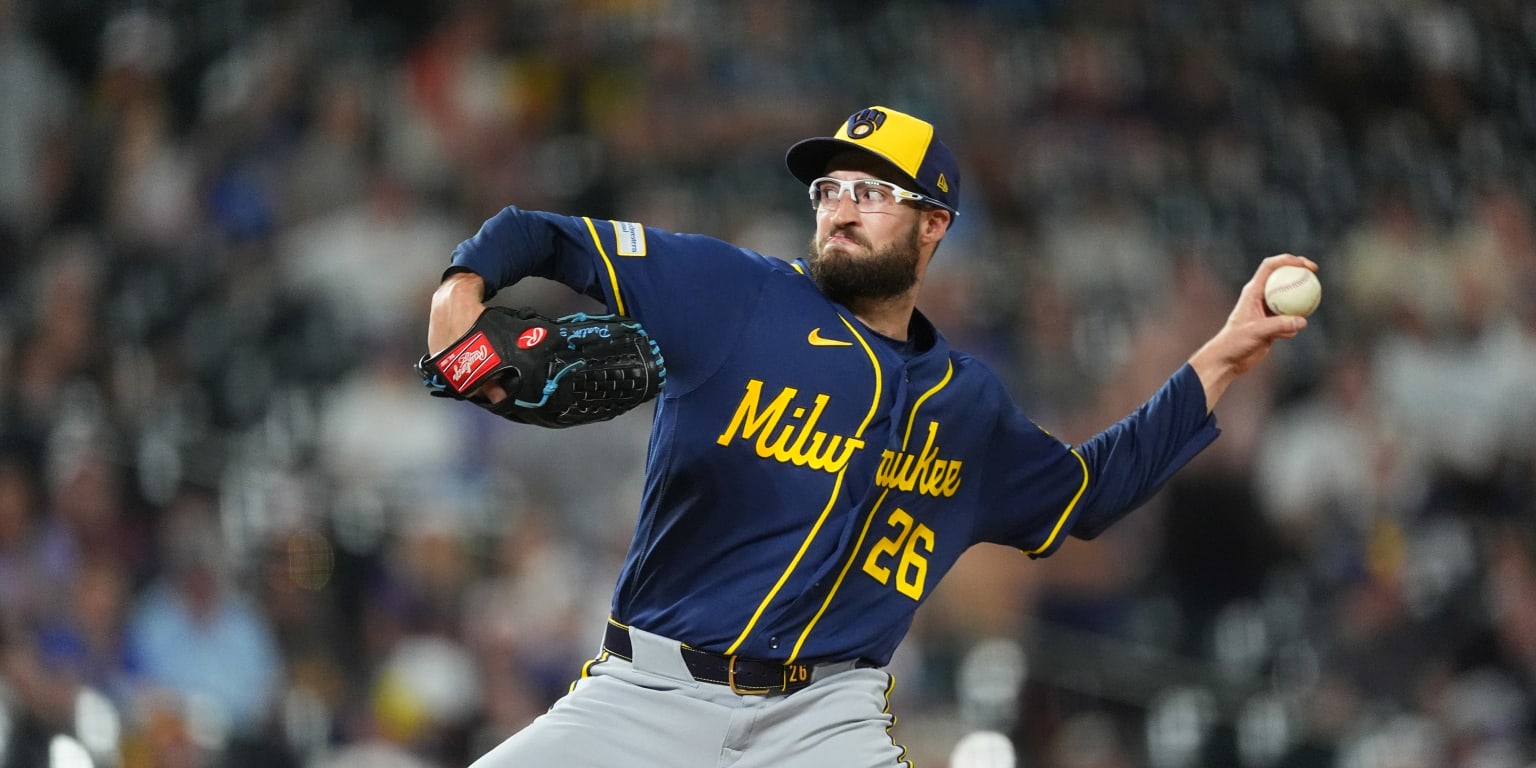
Aaron Ashby became the first pitcher in Major League Baseball to reach 10 wins on Tuesday, June 17, doing so entirely from the bullpen. The Brewers' left-hander improved to 10-0 with a 2.86 ERA, entering the seventh inning of a 1-0 game against Cleveland, allowing the home run that ultimately secured Milwaukee's victory. It was, as manager Pat Murphy wryly noted, a vulture win—a relief pitcher credited with a win despite minimal contribution to the decisive moment. But vultures eat well, and so does Ashby's record.
The historical context sharpens the achievement. Ashby is only the second reliever in baseball history to lead MLB in wins while posting all of them from the bullpen, joining Roy Face, who reached 10 wins in 1959. Through 70 games, Ashby's 10 relief wins rank fourth all-time for a reliever, trailing only 1938's Mace Brown (12), 1969's Clay Carroll (11), and Face himself (11). This places him in genuinely rare company—not just this season, but across nearly a century of pitching history. The Brewers' offense has provided him with a 1-0 environment repeatedly; he entered the seventh in a one-run game and walked away credited with the win. This is not sustainable pitching dominance translated into wins. This is a bullpen deployment strategy intersecting with favorable run environments.
Here's where the prop dynamic becomes real: Ashby's win rate is structurally decoupled from his actual performance. A 2.86 ERA ranks well, his strikeout rate is solid, but his 10 wins don't reflect a unique dominance—they reflect Milwaukee's decision to deploy him in high-leverage, low-run-total games where the margin for error is minimal. No reliever who makes 80 percent or more of his appearances in the bullpen has ever led MLB in wins over a full season, according to MLB.com. Ashby is on pace to challenge that ceiling. The market, however, has begun pricing in his win equity. Brewers moneylines have tightened considerably since his surge began; sharper bettors have already recognized that Milwaukee's bullpen effectiveness (driven substantially by Ashby) is real, but the wins themselves are an artifact of deployment frequency in close games, not predictive of future dominance.
For prop bettors, the takeaway is layered. Ashby's strikeout prop (K props) should remain stable because his stuff hasn't changed—the 2.86 ERA suggests a reasonable strikeout floor. However, his win total projection for the remainder of the season is overheating. The market may have priced his final-season win total at 15+ before this streak peaked; the mechanical reality is that as opposing offenses adjust and as Brewers run-scoring normalizes, his win rate will regress sharply. A reliever with his ERA typically converts to 0.45–0.55 wins per 9 innings pitched. Ashby's current pace (10 wins in roughly 35 innings as of mid-June) represents an unsustainable 2.6 wins per 9. When the Brewers inevitably blow out opponents or suffer one-run defeats where Ashby doesn't pitch, that excess win equity evaporates. The edge exists in fading late-season Ashby win props and being cautious on Brewers moneylines when Ashby is not scheduled to pitch in relief.
The All-Star case is interesting but independent of betting value. Ashby's selection would be merited by his ERA and strikeout rate; it would be inflated by his win total. For bettors, the distinction matters. His pitching props (strikeouts, walks, wild pitches) reflect genuine stuff. His win props reflect a temporary alignment of deployment and run environment that will not hold.