MLB
Arenado's Second-Chance Slam Masks Arizona's Fading Playoff Math
A go-ahead grand slam kept the D-backs alive at home, but four games down with six to play and a five-game deficit to the Padres, Arizona's October window is closing fast.
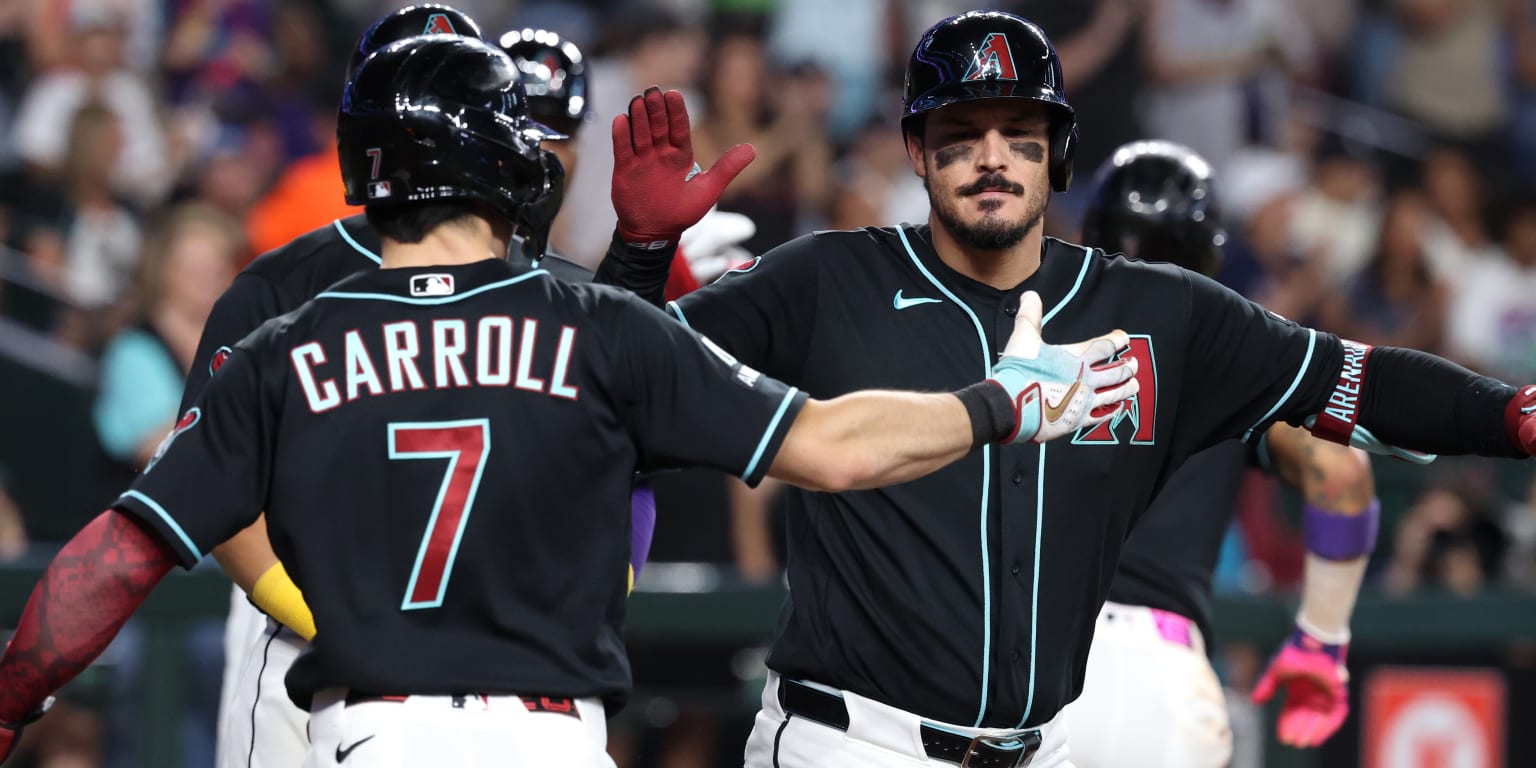
Nolan Arenado got a mulligan Sunday at Chase Field, and he made it count. After hooking a potential go-ahead grand slam foul in the bottom of the fifth against the Yankees, Arenado took the next pitch deep into left field for his third grand slam of the season—tying Paul Goldschmidt's 2013 franchise record and Eugenio Suárez's 2025 mark for most in a calendar year. The two-swing sequence swung the entire complexion of Arizona's 8-4 win, marking the team's 47th comeback victory, the most in baseball. It was the kind of moment that bleeds into postseason narrative: redemption off the very next pitch, franchise history etched in one swing.
But the calendar is the real story here. Arizona sits 4 games out of the third and final National League Wild Card spot with six games remaining on the schedule. The Cubs and Padres both won Sunday; the D-backs trail San Diego by five games heading into a three-game set at Petco Park next weekend—meaning Arizona needs to gain two games in the standings just to arrive in San Diego with a mathematical pulse. The Phillies (86-70) and Cubs (87-69) both hold tiebreaker edges. The D-backs' 45-37 home record represents their best Chase Field performance since the 53-win season of 2017, a genuine organizational achievement. It doesn't matter if your home field is a fortress when you can't afford to lose on the road.
The prop-betting implication runs counter to the narrative momentum. Arizona's comeback win total—47 now—inflates the perceived depth of their roster. A team that comes back 47 times looks clutch; it looks like it has late-game horses. But a closer read of that stat tells a different story: winning 47 games from behind often signals you've been behind often. Arizona's Pythagorean record (expected wins based on runs scored and allowed) typically outpaces these comeback figures by 3-5 games when a team has a positive run differential. That gap—comebacks outpacing underlying talent—is a yellow flag on future performances, especially in win-or-go-home September baseball where variance tightens.
Arenado's power production itself carries a single-game tailwind that won't sustain. He's now at three grand slams in one season, a legitimate outlier even for a perennial All-Star with his historical output. Sportsbooks will likely adjust his RBI props upward for the final week, pricing in the recency of a 4-RBI night. But grand slams are among the most volatile prop buckets in baseball; the probability of a fourth in the final six games is materially lower than the market may price after Sunday's moment. The real edge exists on Arizona's team total and moneyline spreads: the market may overweight yesterday's comeback into their pricing for the San Diego series, while the standings arithmetic—the two-game deficit they must overcome just to remain alive—remains brutally unchanged.