Cholowsky's First Professional At-Bat Arrives Tonight—What His Elite Draft Pedigree Means for White Sox Depth
By Justin Erickson ·
The No. 1 overall pick in the 2026 draft makes his affiliated debut for Winston-Salem on Tuesday night, already showing mechanical refinement that could accelerate his organizational timeline.
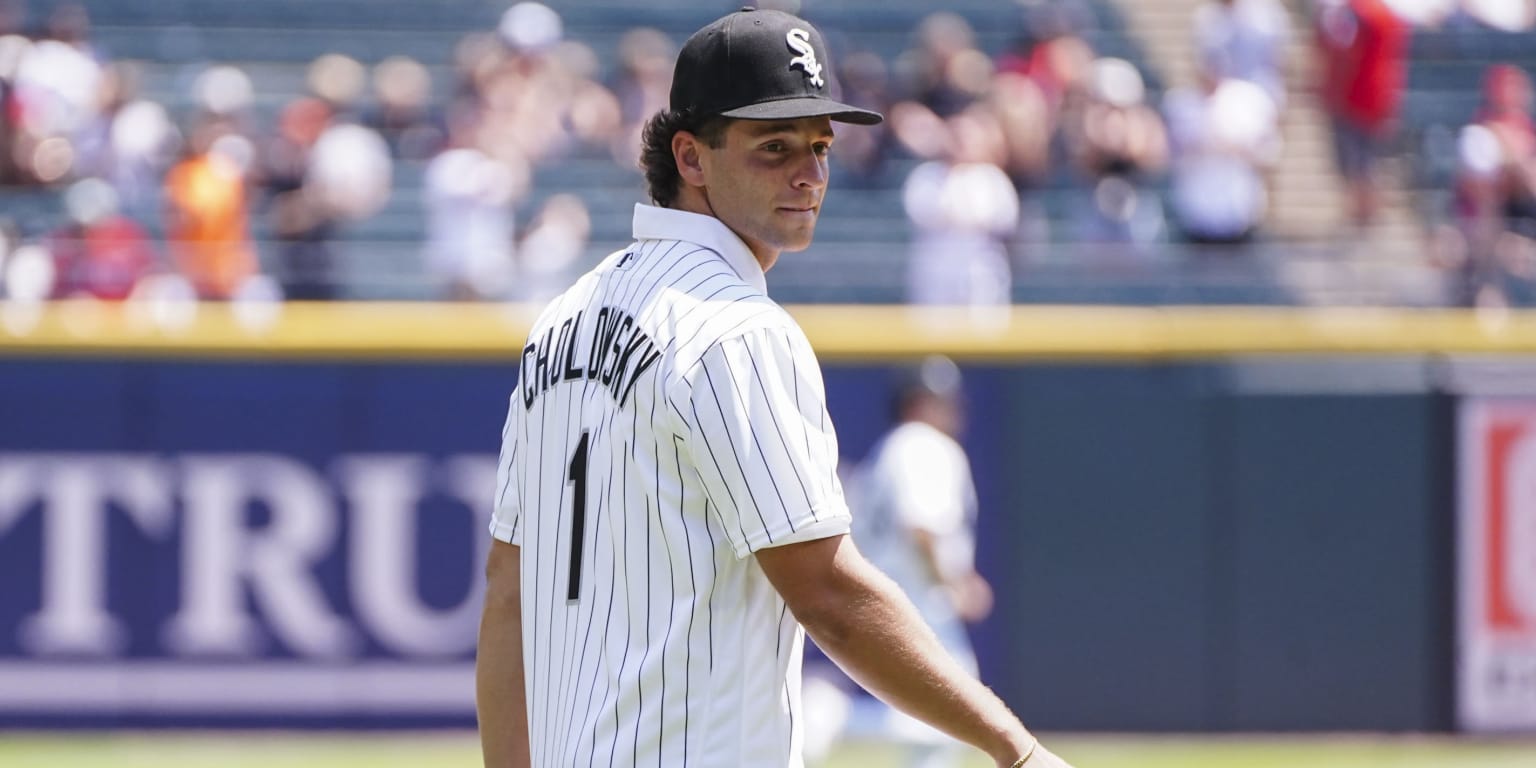
Roch Cholowsky takes the field for the High-A Winston-Salem Dash tonight against Asheville, marking his first affiliated game action since UCLA's season ended on May 31. The 21-year-old shortstop—signed to a record $10.35 million bonus after going first overall in July—has spent the last five weeks in controlled development: a week at Draft camp in Charlotte, two weeks at a private Arizona facility, and Bridge League tuning. By all accounts, he's not treading water. White Sox director of hitting Ryan Fuller and the coaching staff have already notched mechanical improvements Cholowsky himself acknowledges feeling in his swing. His first professional home run came last Saturday in Bridge League play, a signal that the raw power translates, and more importantly, that he's not treating this as a coronation lap.
The arc matters for betting purposes because prospect timelines directly influence when a team's position group depth narrative changes—and depth narrative drives team-total volatility and lineup construction. Cholowsky's rapid adjustment in the first 5-6 weeks post-draft (from July 11 to today, August 4) suggests the White Sox front office is confident enough in his baseline that they're not padding his learning curve with extra developmental dead time. That's different from a typical first overall pick who might absorb 8-10 weeks of ramping. Director of player development Paul Janish has publicly characterized him as highly competitive, humble, and results-focused—operational language the organization uses when it wants to signal that a prospect is ready to absorb pressure rather than be shielded from it.
On the field, Cholowsky arrived in Chicago on June 8 for a pre-draft visit that clearly left an impression; he spent hours walking the city, absorbing the organizational culture, eating at Giordano's pizza and Tavern on Rush. That deliberate courtship—plus the record-setting signing bonus—tells you the White Sox believe they have a franchise cornerstone, not a lottery ticket. A player of that pedigree, moving from elite college (UCLA 52-win season, which ended late May) through structured professional entry, typically accelerates through Single-A and low-A ball faster than consensus board projections. If Cholowsky performs at expected level this season, the White Sox' shortstop depth outlook changes materially for 2027 and beyond—which influences whether Chicago is a seller or buyer at the deadline next year, and whether team totals and run-line edges shift based on roster construction confidence.
For tonight's debut, the most immediate betting lever is monitoring how the White Sox frame his early appearances in lineups. Cholowsky's mechanical refinement under Fuller suggests he's being prepared as a ready-now asset, not a prospect being eased in. If he bats in the middle of the order or DH early (unusual for a pro debut at shortstop but not impossible given organizational confidence), that's a market signal that Winston-Salem's offensive output is expected to tick higher. The larger edge materializes later this week once we have 2-3 games of actual performance data—single-debut results are too high-variance to trade off. What matters is velocity of improvement arc and where organizational usage places him within the next 14 days. A shortstop getting 35-40 PA in his first week at High-A with competitive matchups is a different prospect than one who sits or pinch-hits. Watch the lineup placement, not the debut itself.
While Cholowsky's pro entry has zero direct impact on tonight's Red Sox-White Sox series in Boston, the organizational narrative around his acceleration does influence how Chicago's front office values their current roster depth and whether they're willing to trade MLB-level position players to consolidate talent. Cholowsky entering the system as a consensus high-floor prospect shortens the timeline on when the White Sox can compete with a cheaper infield—which affects spending flexibility and, indirectly, whether they stay buyers or turn sellers in 2027. That's an organizational-level signal baked into today's move, not a single-game tactical play.