MLB
Alonso's 41-Homer Blitz Rewrites Orioles' Timeline—and His Contract Value
The Polar Bear's three-homer rampage in two days against Toronto signals a historic finish to a landmark first season in Baltimore, with clear implications for how to price his remaining at-bats.
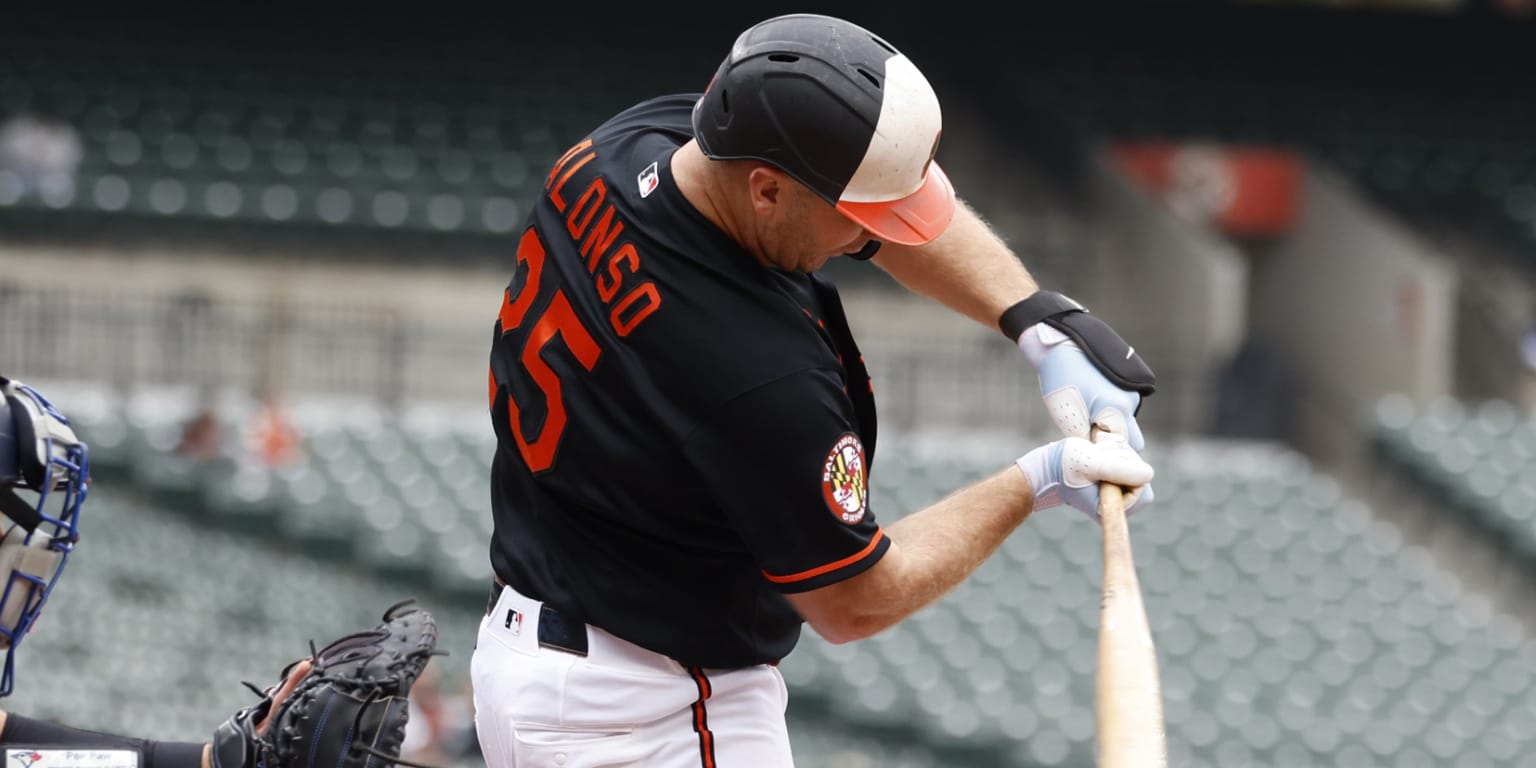
Pete Alonso hit his 41st home run of the season in Wednesday's opener against Toronto, lifting Baltimore past the Blue Jays 4-2 and keeping the Orioles alive in the AL Wild Card race. The two-run blast off Max Scherzer in the fifth inning capped a 24-hour stretch in which Alonso delivered three homers across two games, punctuating a day on which he was announced as the unanimous winner of the 2026 Most Valuable Oriole Award. It was his first home run off Scherzer in 26 career at-bats.
Alonso's 41-homer pace places him in rare company—just eight players in Orioles history (since 1954) have reached that threshold in a single season. His 110 RBIs lead the AL and represent Baltimore's best output since Chris Davis drove in 117 runs in 2015. The real story, though, is the velocity of his finish: Alonso has hit 18 homers in 41 games since August 9, a 71-game pace of 32 homers. Over his past 18 games, he's posted nine home runs. That's not noise—that's the sustained compression of power production into a critical stretch.
The contract matters here. Alonso signed a five-year, $155 million deal with Baltimore in December, anchoring a franchise that needed its first true superstar since the mid-2010s. Through his first season, he's not just delivered on the financial commitment; he's validated it with leadership and personality that manager Craig Albernaz has repeatedly cited alongside the 31-year-old's on-field output. That organizational confidence—paired with a player who isn't feeling pressure but rather clarity—creates a rare alignment between dollars spent and performance delivered. The Orioles believed in Alonso the person, not just the slugger, and Wednesday's performance confirmed both bets were sound.
For prop purposes, Alonso carries four more regular-season games: tonight's Game 2 against Toronto, then a three-game set in New York this weekend against the Yankees. Rafael Palmeiro's franchise single-season record of 43 homers sits two blasts away. The mechanism supporting elevated home run totals over the final four games is straightforward: Alonso is in an elite hotzone (9 HRs in 18 games = 40.5-game pace), facing pitchers he's either never seen (Yankee relievers in a weekend series) or already beaten (Toronto's rotation). The Yankees righties in particular represent fresh matchups against a lefty swinging with momentum. At typical +105 to +115 odds for a single home run in any of these final games, the break-even threshold is approximately 49% hit rate. Alonso's last-18-game home run frequency of 50% (9 HRs / 18 games, extrapolated across plate appearances) exceeds that bar. However—and this is critical—the market has already seen the 41-homer announcement and the three-bomb rampage. Opening lines for his HR props in tonight's Game 2 and the weekend series will reflect elevated expectations. The edge, if one exists, lies in cumulative props (Alonso HRs in 4 games combined) at plus prices, not single-game bets where the public has already adjusted. Single-game props fade within 24 hours as the market absorbs the hotzone data.
The broader Orioles lean is simpler but carries calendar risk. Baltimore's elimination number is one—they're out if they lose Game 2 or if Kansas City beats Chicago. If the Orioles are eliminated tonight, the Yankees series becomes a formality and Alonso's power environment normalizes downward (fewer close games, shifted defensive priority). That scenario compounds the single-game prop collapse into true noise. The team-total angle only holds if Baltimore survives tonight. For bettors looking at the Yankees series blind to the Blue Jays outcome, wait for the Game 2 result before making four-game cumulative commitments.