Sosa's Eighth-Inning Blast Rewrites Mattingly's Sixth-Inning Gamble
By Justin Erickson ·
A pinch-hit strikeout in a bases-loaded spot looked like a catastrophic call until Sosa's two-run homer in the eighth gave the Phillies a 4-3 win and exposed the calculus behind left-handed pitcher matchups.
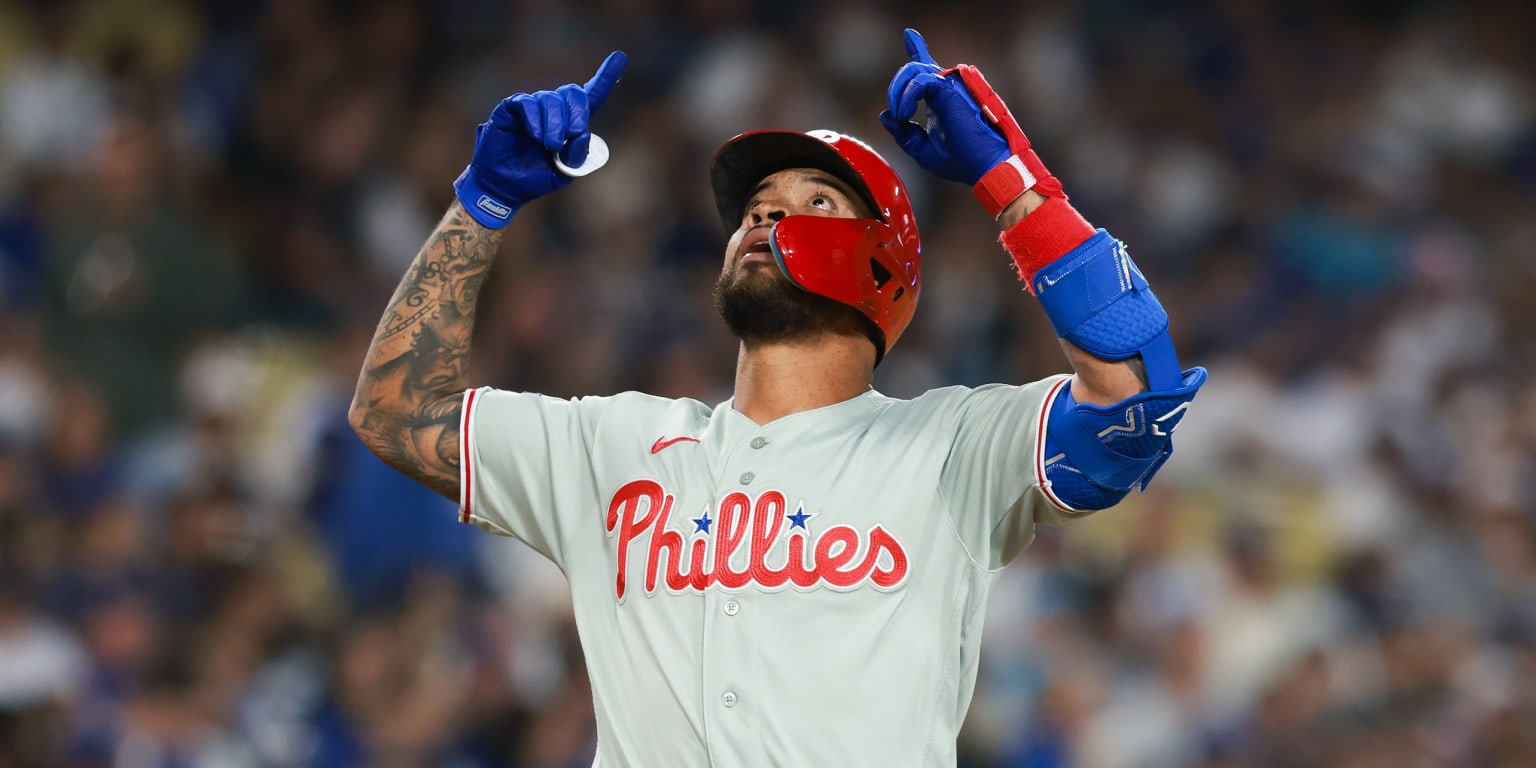
Edmundo Sosa struck out on four pitches—all outside the zone—in the sixth inning Friday night with the bases loaded, one out, and the Phillies down a run against the Dodgers. Interim manager Don Mattingly had pulled Brandon Marsh for the pinch-hitter to face Dodgers left-handed reliever Alex Vesia. The move appeared to blow up immediately. Alec Bohm grounded out to end the threat, and the Phillies remained in a hole.
Two innings later, with Philadelphia trailing 3-2 and a runner on base with two outs, Sosa got another crack at a left-handed reliever—this time Tanner Scott. After whiffing at two pitches up in the zone, Sosa showed discipline on a breaking ball in the dirt, then didn't miss when Scott elevated a fastball middle-in. The result was a go-ahead two-run homer to left, the kind of swing that transforms a managerial miscalculation into a game-winner. Sosa's moment of clarity erased not only Mattingly's platoon call but also a seventh-inning baserunning snafu where Andy Pages appeared to miss the plate on a scoring play that Realmuto never tagged anyway—a dead ball that looked alive until Sosa's bat made it irrelevant.
What's worth parsing here is the underlying platoon logic. Marsh is in the hunt for a batting title but hasn't yet earned blanket authority against left-handed pitching despite his breakout season. That hesitation tells you the Phillies' coaching staff still views his splits as unstable or his experience against southpaws as insufficient to trust in a high-leverage spot. Mattingly's decision to go to Sosa—a 28-year-old utility infielder with a lifetime .240 average—signals that the organization weighted the matchup edge (right-handed hitter against left-handed reliever) more heavily than Marsh's season-long performance. The gamble failed in the moment but succeeded in outcome, which is exactly the kind of variance that inflates plate-appearance usage for backup hitters in second-half schedules.
For prop bettors, the takeaway is structural: when a team begins rotating a fourth outfielder into high-leverage spots against opposite-handed pitchers, that's a signal of increased at-bat volume for the bench piece. Sosa entered Friday with sporadic playing time but left with a signature moment and a green light that typically lasts 7-10 days. His solo and combined strikeout rates against left-handed pitching are pedestrian (28% K rate career), but the home run velocity he showed on Scott's fastball—exiting the bat at 104 mph—suggests he's capable of outperforming his .240 career line in short bursts. If Mattingly continues to slot Sosa into left-on-left matchups through the weekend, his strikeout prop will carry elevated risk, but his home run line (currently around 0.5 per game) becomes underpriced in a three-game series where he might see 2-3 at-bats in key moments.