Murakami's Return Offers White Sox Real Upside Before All-Star Break
By Justin Erickson ·
Chicago activates its slugger after a six-week hamstring recovery with three games to inject offensive punch before the midsummer pause.
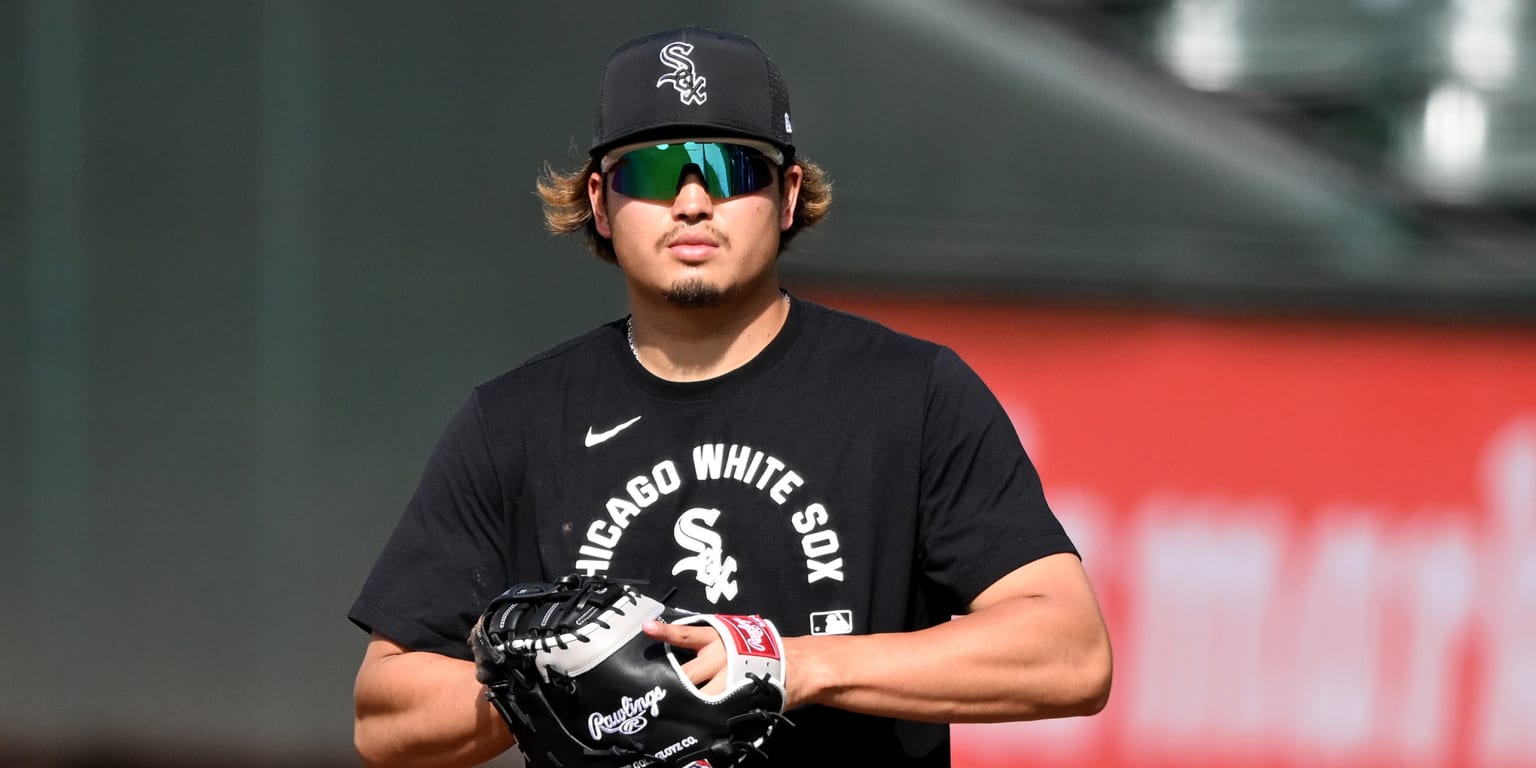
Munetaka Murakami is back. The White Sox reinstated their first baseman from the 10-day injured list Friday morning, ending a six-week absence dating to May 29, when he suffered a Grade 2 right hamstring strain against Detroit. Manager Will Venable confirmed the activation during postgame comments Thursday and pledged Murakami to the lineup for all three remaining games before the All-Star break—a window that closes in roughly 10 days. The timing could hardly be sharper, arriving one day after Boston completed a home sweep that dropped Chicago's record to 47-45 and left the clubhouse visibly depleted.
Chicago's 17-18 run without Murakami is instructive but incomplete context. The team remained competitive at or near the top of the AL Central throughout his absence, which speaks to the bench depth and pitching staff that have made this season a surprise. Yet the three-game Red Sox series exposed something the numbers alone don't capture: a lineup starved for impact. Boston's left-handed starters neutralized right-handed bats like Miguel Vargas and Randal Grichuk. The White Sox managed two runs across three games. Murakami carries 20 home runs into his return, a power floor that Boston's sweep had systematically shut down. His presence in the clubhouse matters too—Benintendi and others referenced the energy deficit—but in baseball terms, what matters is this: the team generates significantly different offensive profiles with Murakami in the lineup versus without.
The rehab work is complete. Murakami went 1-for-4 on Tuesday at Charlotte, then 1-for-4 with nine innings of activity Wednesday, enough to signal readiness. This wasn't a delayed activation waiting on marginal fitness gains. Venable's move is affirmative, not cautious.
For prop bettors, Murakami's return creates two adjacent opportunities. First, White Sox team totals should face upward pressure over the next three games (Friday vs. Oakland, then likely two more before the break). Chicago's baseline run production cratered without him; adding a 20-HR first baseman in the middle of the order restores a reliable power outlet that Boston's left-handed pitching specifically designed schemes to eliminate. Oakland runs a completely different defensive architecture and doesn't have Boston's left-side fastball-heavy approach. Second, Murakami's own offensive props—home run totals, RBI ranges, slugging contributions—carry embedded upside for the short term because the market likely priced his absence into baseline expectations. A 47-45 team that plays competitive baseball doesn't suddenly generate All-Star-break optimism on one activation unless that player delivers outsized value. The mechanism is straightforward: he removes a power gap the offense couldn't fill. The market's longer-term pricing already factors in his eventual return. What it may not have fully weighted is the specificity of when—before a momentum swing into a week-long break, when lineup cohesion and hot-hitting windows compound.