Abreu's Back-to-Back Power Display Fuels Boston's 12-Game Streak
By Justin Erickson ·
The Red Sox are peeling off a 12-game winning streak with a go-to hitter rediscovering his timing at precisely the right depth of July.
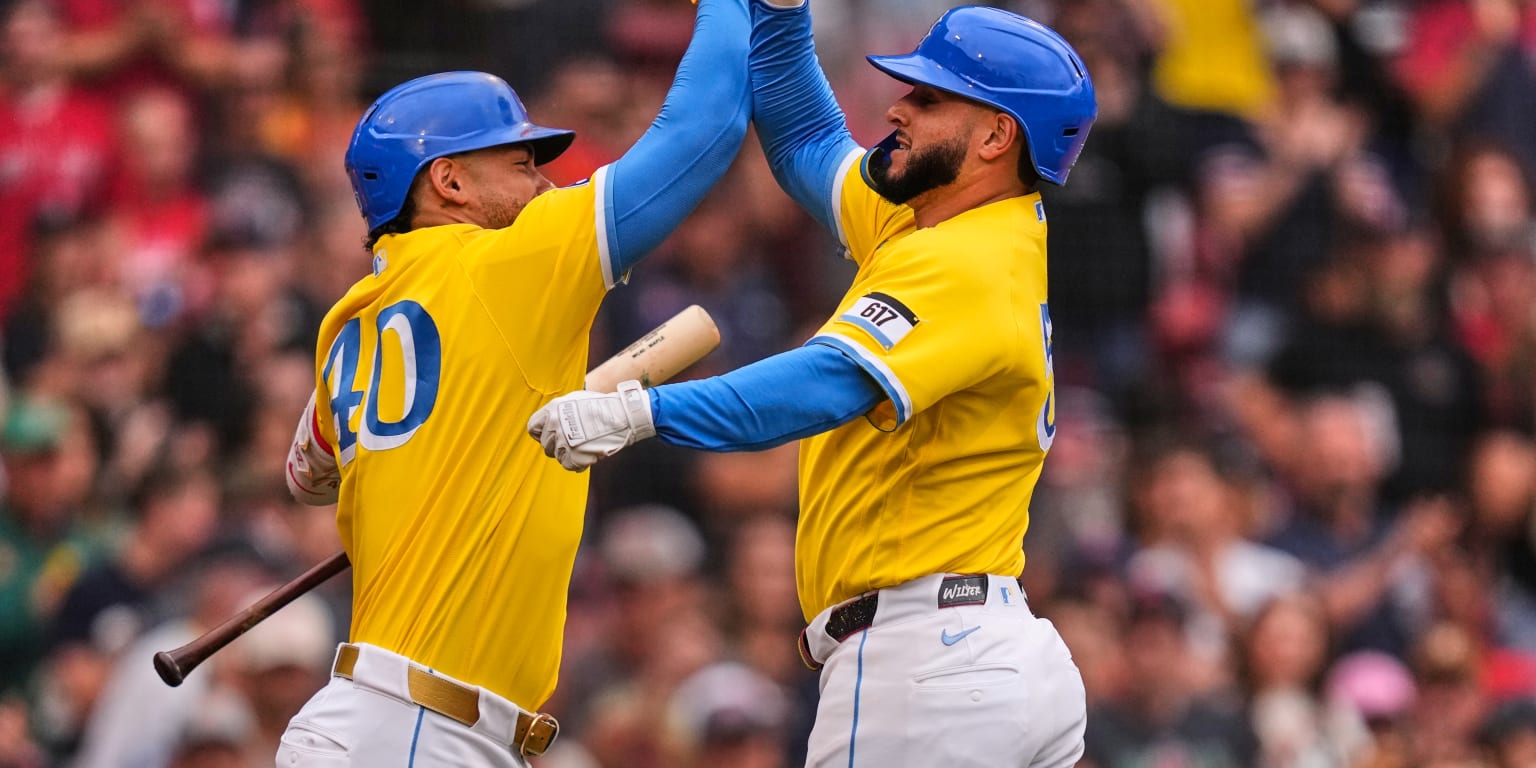
Wilyer Abreu hit two home runs Saturday night—including a go-ahead seventh-inning blast off Rays reliever Garrett Cleavinger—to extend Boston's winning streak to 12 games, the longest in the majors this season. The Red Sox, down 3-1 entering the bottom of the seventh, rallied to win 7-6 and snapped a brutal pattern: they came into Saturday's game 0-34 when trailing by three runs. That's the kind of asymmetry that doesn't persist by accident. Boston's run coincides with the return of middle-of-the-order depth.
Abreu's performance marks the second consecutive multihomer game for the Boston slugger—a feat last accomplished by a Red Sox player when Mookie Betts did it in June 2016. It's a meaningful threshold because back-to-back two-homer games reveal something beyond statistical flukes: a hitter locked into pitch recognition and finding sweet spots across at-bats. Abreu worked the count to 3-2 against Cleavinger before punishing a fastball 412 feet to right-center field for his 15th homer of the season. That's production depth—he's not a one-inning threat, he's threading quality contact across multiple at-bats within the same game and carrying it into the next one.
The Red Sox hadn't won 12 straight since June 16-29, 2006. This streak also pushed them over .500 for the first time since Opening Day—they were 1-0 on March 28—which means the roster overcorrection from the early season is now behind them. Bullpen depth mattered Saturday too: Garrett Whitlock and Aroldis Chapman shut down Tampa Bay over the final two innings, a sign that Boston's pen has found some stability during the run.
From a betting angle, streaks of this duration typically carry two embedded risks. First, the closer you get to 12 consecutive wins, the steeper the variance tax becomes—randomness demands a reversion, and sportsbooks are already pricing in heavy favorites when Boston plays. Second, Abreu's consecutive two-homer games are a volatile marker for individual player props. His 15 homers in mid-July suggest he's on pace for a 35+ homer season, but two-game power surges historically fade within 5-10 games before settling into seasonal baselines. The mechanism here is batting average on balls in play and pitch selection discipline, both of which can cool sharply when opposing pitchers adjust their approach. Taking Abreu's home run prop to the over on the back of this streak is a classic fade candidate—books will shade his line higher, but the recent spike is unlikely to sustain at that volume. The streak itself, however, is real structural strength and should influence team total and moneyline pricing more heavily than single-player power spikes.