The Mets' Trade Deadline Pivot: Selling Now, Building for 2027
By Justin Erickson ·
With the August 3rd deadline four days away, New York has quietly positioned itself to move veteran arms and suddenly productive bats—a signal that contention in 2026 has given way to asset repositioning.
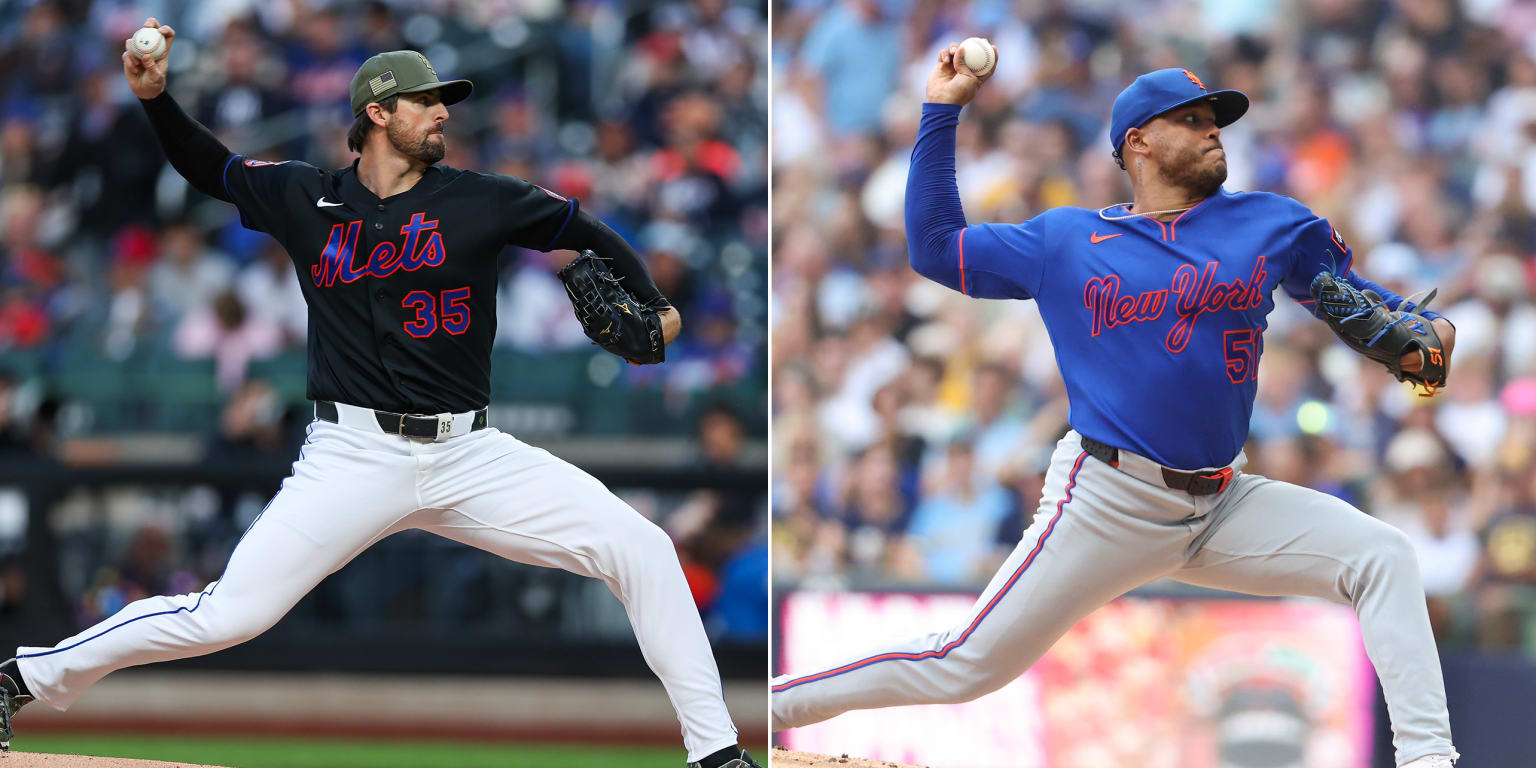
The Mets enter the final stretch before Monday's 6 p.m. ET trade deadline in a posture that contradicts typical mid-season behavior for a payroll-heavy franchise: they're selling. As noted by Anthony DiComo, scouts from around the league have made pilgrimages to Citi Field this week, and the traffic pattern alone tells you the organization has decided 2026 is not the year to push all-in. This isn't a team making final additions to a playoff roster. This is a team auctioning talent.
Clay Holmes sits atop the Mets' trade board, and the calculus is stark. Despite not pitching since May, Holmes carries enough prospect equity that scouts from at least a half-dozen clubs flew to Florida on short notice to see a 59-pitch rehab appearance in Single-A ball. That level of interest matters. With Tarik Skubal's price tag likely astronomical should Detroit move him, Holmes has emerged as the more affordable Plan A for multiple contending rotation shops. The Mets have correctly identified that scratching Holmes from his planned rotation return this Sunday makes strategic sense—opposing scouts have already peeled the tape, and pitching him again only exposes him to injury without adding information value to prospective buyers. Holmes' multi-team interest, combined with his affordable salary profile relative to ace-level alternatives, positions him to net meaningful return. That's the fulcrum of the Mets' deadline approach.
Beyond Holmes, the secondary layer involves suddenly productive outfielders. Tyrone Taylor's breakout—six home runs over 35 plate appearances—has resurrected his trade value after nearly two seasons of organizational irrelevance. Luis Robert Jr. hasn't matched Taylor's offensive output since returning from injury, but he's proven durability matters; clubs needing right-handed pop are circling both. These aren't centerpiece returns, but they're not negligible either, and their emergence softens the financial blow of shedding payroll.
The bullpen presents the sharpest deadline dilemma. Luke Weaver and Huascar Brazobán command premiums because both are multi-year assets with proven track records—Weaver has one year and $12.5 million remaining after 2026; Brazobán controls three more seasons. But Brooks Raley and A.J. Minter, both left-handed relievers on expiring contracts, are nearly certain to move. The Mets' public commitment to 2027 contention creates a tension: trading away pitching depth compromises next year's bullpen construction, yet keeping expensive rentals contradicts a clear sell-the-farm directive. From a prop-betting lens, this uncertainty matters. Assuming the Mets do move Raley and Minter (a high-probability outcome given expiring status), the remaining bullpen burden falls on Weaver and Brazobán—two relievers who will accumulate usage volume as teams rely on them in high-leverage spots. Weaver's strikeout rate and Brazobán's K-rate will likely inflate due to increased workload and mop-up duty minimization. If neither is traded, both become more valuable prop targets precisely because the Mets are thinning out secondary options. Conversely, if the Mets do trade either Weaver or Brazobán, whichever reliever remains becomes the de facto closer-by-committee, commanding first-inning appearances in save situations. That's a durable mechanistic edge tied directly to roster construction, not single-game variance.
Freddy Peralta remains the outlier—the narrative muddle in an otherwise coherent rebuild. Pitching coaches covet him; the Mets likely move him; the return is the unknown variable. His departure doesn't create a prop angle so much as it removes one. For bettors tracking the Mets' pitching props through August, the real edge is in anticipating who stays—not who leaves. Once Raley and Minter are traded and Peralta's destination clarifies, the relief corps consolidation creates compounding usage patterns that Vegas won't fully reprice for 48 to 72 hours after trades finalize.