MLB
Blue Jays Health Crisis Opens Three Strategic Knots—and a Depth Surplus Angle
Toronto's path back to full strength exposes a catching competition, an outfield logjam that could become trade bait, and a defensive identity that's slipped beneath team standards.
The Blue Jays are assembling what feels like a real lineup for the first time in two months. As injuries clear and reinforcements approach return dates, manager John Schneider confronts three structural questions that reshape roster construction—and, more subtly, team performance projections for the remainder of the season.
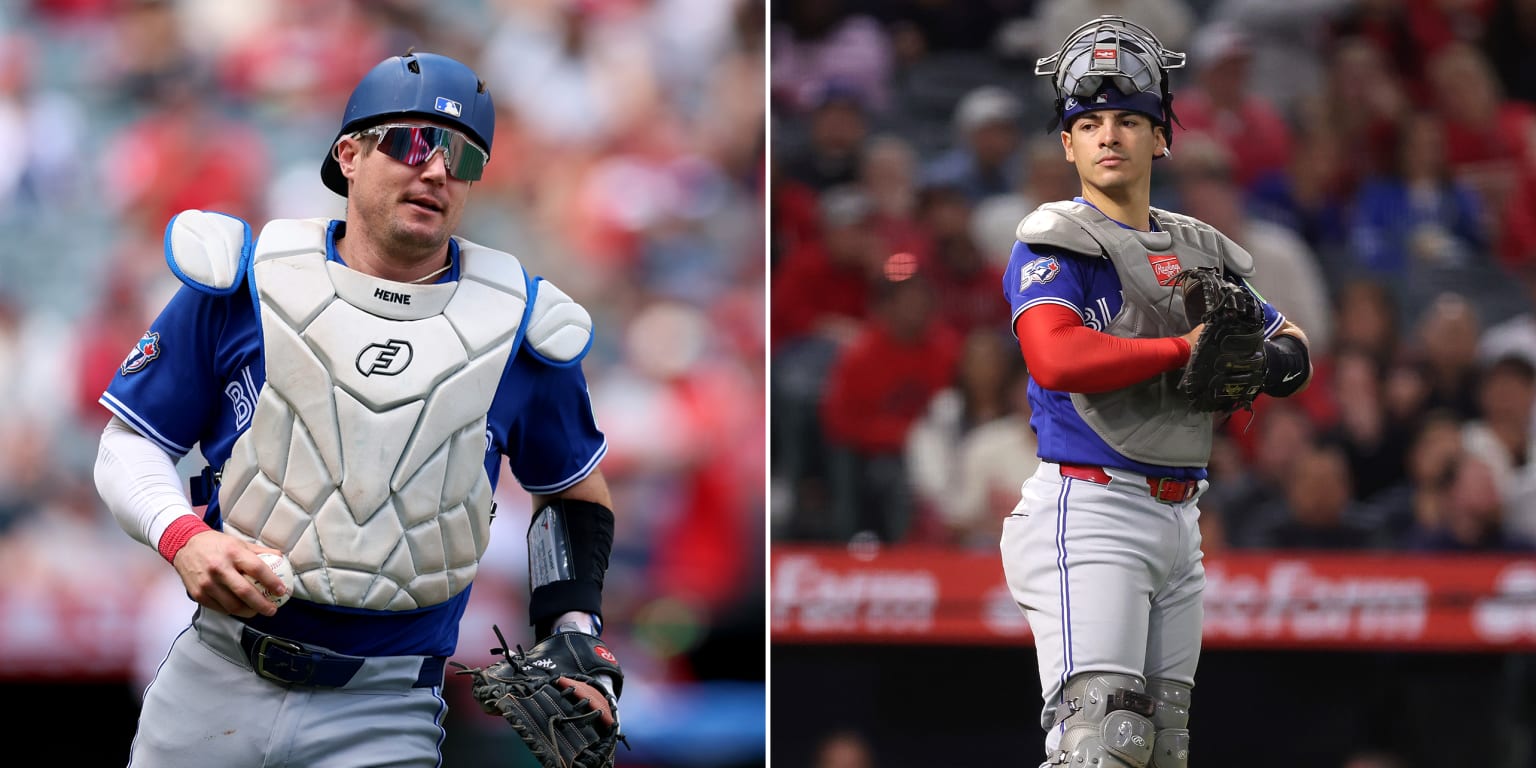
The first friction point is obvious: the catching depth chart. Alejandro Kirk went down in early April, and Tyler Heineman was supposed to bridge the gap while prospect Brandon Valenzuela soaked up occasional playing time. Instead, Valenzuela has outplayed the assignment. The 26-year-old switch-hitter shows genuine big-league chops—strong defense, receiver work with the pitching staff, and the kind of maturity that scouts cite when they suspect a player was undervalued in draft positioning. Heineman, meanwhile, has collapsed to .152/.385 after a career year in 2025 (.289/.777). When Kirk returns, Toronto will have to choose between roster construction (keeping the stronger performer) and sunk cost (retaining a veteran who broke out last season). Valenzuela has minor-league options remaining, which complicates the economics. The market hasn't fully repriced Kirk's offensive output either; his power prop lines assume 2025 form, but a two-month absence followed by a timeshare arrangement could compress counting stats. Kirk's home-run props and RBI props merit a small fade through mid-June as he rebuilds rhythm against the backup role.
The second question is outfield geometry. Addison Barger's return from elbow injury within weeks will complete a crowded garden. Jesús Sánchez has emerged as a right-handed hitter who demolishes velocity; Nathan Lukes remains a trusted piece from Toronto's 2025 foundation; Myles Straw and Daulton Varsho round out the roster. The surplus creates a domino effect: where does Barger play? Does Kazuma Okamoto shrink into part-time duty? Does Yohendrick Piñango—the rookie who's mashed offensively but struggled defensively—lose plate appearances? This isn't instability; it's the opposite. It's a position group so deep that the Jays can trade from it. That surplus also means no single outfielder locks into an everyday role, which depresses individual counting-stat projections. Sánchez's RBI and run props are the clearest play here: he faces platoons and sits against left-handed pitchers, capping his PA and therefore his offensive output. If Sánchez is priced as an everyday hitter, fade his season-long totals. The next two weeks, before the full outfield reconstitutes, are the window to strike on him at peak playing time.
The third question cuts deeper. Toronto's defense has slipped below the standard they've built their identity around—still league-average in aggregate, but miles from the elite tier that defined their profile in recent seasons. This isn't a personnel problem; it's a cohesion problem. Two months of lineup churn and defensive reshuffling have eroded the synchronized ground-ball management and shifting patterns that once rang up outs. As bodies return and lineups stabilize, defensive efficiency should recover. What that means for pitching lines: expect run support to improve slightly as better position players take the field and situational misalignments fade. Toronto's team total has likely been depressed by both offensive injuries and defensive sluggishness. Once the full roster takes shape—Kirk, Barger, Lukes, Sánchez all healthy and slotted—expect the offense to normalize closer to 2025 trajectory. The market may not have fully repriced that snap-back yet, particularly if today's line was set when two or three key names were still out or in limited roles.
The calculus for Toronto's run-scoring and team total props hinges on timing. Over the next two weeks, the outfield and catching situations will finalize. Lean toward team total overs once the full lineup has taken the field in three or four consecutive games, which will signal that the roster is genuinely stable enough to execute the offense Schneider designs. Single-game overs before that point carry elevated noise—you're betting on an incomplete unit. Wait for confirmation that Kirk has returned to everyday DH/C duty, Barger is actively playing, and Sánchez is penciled into right field on righty days. That constellation of events is coming within 7-10 days based on the injury timelines cited. Once it lands, Toronto's team total becomes a play.
MLB Intelligence — Baseball intelligence beyond the box score. Open MLB Intelligence →