Wild Add Playoff-Tested Depth With Pickard; Backup Market Gets Crowded
By PropBetEdge Editorial Team ·
Minnesota shores up goalie depth by signing a proven playoff performer on a league-minimum deal, but the move signals cautious optimism rather than championship repositioning.
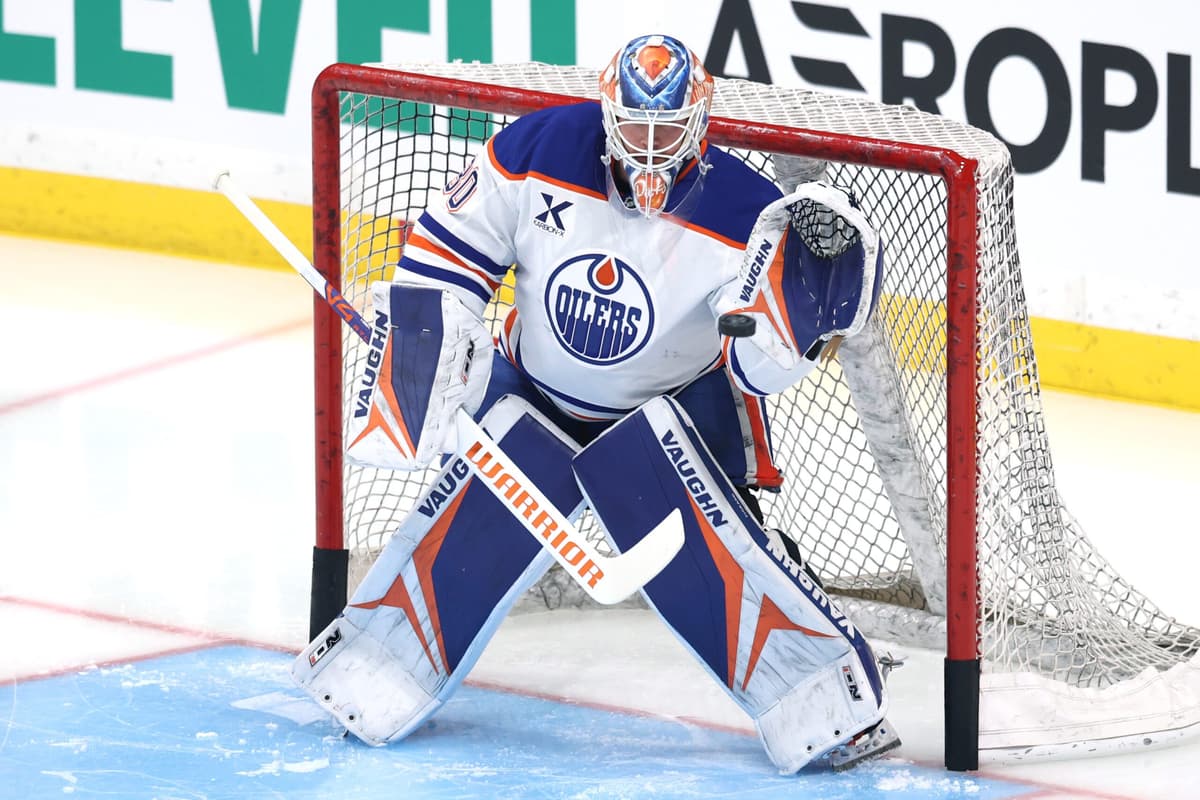
The Minnesota Wild signed Calvin Pickard to a one-year, $1 million contract on July 1, addressing a secondary goalie slot without committing capital or long-term money. Pickard, a 13-year veteran who started playoff games for Edmonton during the Oilers' Western Conference runs in 2024 and 2025, brings playoff experience to a backup role at the softest possible price.
The acquisition reflects Minnesota's pragmatic approach to roster construction. Pickard has logged time across seven NHL organizations and worked as a reliable third-string and backup option in high-leverage situations—exactly the ceiling for this deal. His playoff experience in Edmonton is real and valuable, but that resume also reveals he never won the top job anywhere; he won playoff starts because of injury or matchup advantage, not because he displaced a franchise starter. At 34, he's entering the role as organizational depth and injury insurance, not as a genuine two-way competition.
Wild GM Bill Guerin appears comfortable betting on institutional knowledge over youth development. Minnesota's starter remains the primary uncertainty—the team's net situation entering the offseason wasn't robust enough to justify starting from depth—and Pickard's one-year structure keeps cap flexibility intact if the starter falters. The price tag ($1M) is negligible; it tells you the market for veteran backup goalies remains soft even after a busy free agency window opened.
From a betting lens, Pickard's arrival has minimal direct impact on Minnesota's win total or playoff odds because he's a fourth-line-equivalent asset in the net. However, his presence reduces variance on goalie injury props and eliminates some blowout risk in specific circumstances. If Minnesota's starter goes down mid-season, the team shifts from "replacing a $7M asset with emergency depth" to "executing Plan B with a known playoff performer." That's not a win-now signal—it's a hedge. His playoff résumé matters only if you're tracking backup goalie save percentage on specific nights when starter fatigue or injury forces deployment; that's a niche angle tied to injury timing, not something that moves aggregate team totals meaningfully at open.