Nashville's Colton Gambit Signals No Fire Sale—Yet
By Erik Schwartz ·
The Predators traded for a middle-six forward instead of dismantling, telegraphing a one-year prove-it window before potential deadline deals next June.
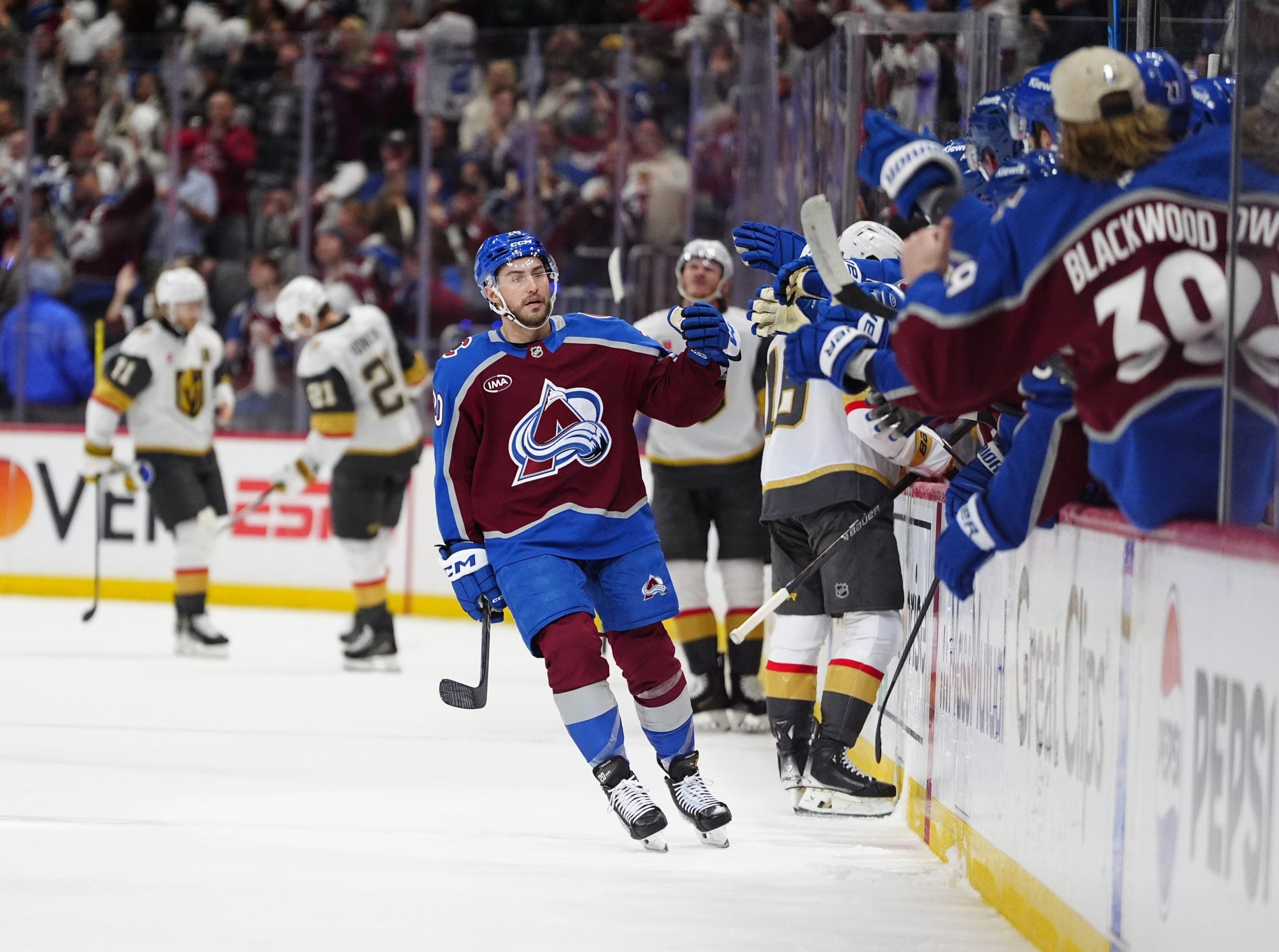
Nashville acquired Ross Colton and goaltender Isak Posch from Colorado on June 18, 2026, surrendering two third-round picks (2026 and 2027) plus goaltender Magnus Chrona. The move reframes the Predators' offseason entirely: they're not rebuilding, they're stabilizing, at least through the 2026-27 season. That choice has concrete implications for how the roster will age and when value extraction happens.
Colton arrives as a replacement for Erik Haula's role—a two-way forward who can slot into the middle six and contribute on both sides of the puck. This past season, Colton managed nine goals and 15 assists in 73 games with Colorado, a noticeable dip from his 16-goal seasonal average over the three years prior. The decline was structural: Avalanche GM Chris MacFarland, now reunited with a player he acquired in Tampa, pushed Colton down the lineup after bringing in Nazem Kadri. Nashville offers him minutes and opportunity. For a 35-year-old Haula, the implication is clear—he hits unrestricted free agency without protection, likely departing for the open market. The Predators gain roster flexibility and shed an aging contract without extracting compensation; that's a roster efficiency decision, not a rebuild mandate.
The more revealing signal: head coach Andrew Brunette stays, and core assets Ryan O'Reilly and Steven Stamkos remain through at least the start of next season. A genuine tear-down would involve moving those names immediately. Instead, Nashville has structured a one-year runway. Colton becomes a free agent July 1, 2027. O'Reilly, Nick Perbix, and several restricted free agents (Joakim Kemell, Luke Evangelista, Adam Wilsby) all expire or become arbitration-eligible around the same window. If the 2026-27 season mirrors the sluggish start of 2025-26, the Predators inherit a deadline inventory with expiring contracts and aging assets—a harvest window, not a rebuild window.
For bettors, this reshapes Nashville's implicit odds. The team isn't punting on the season; it's wagering on middle-six depth and goaltending stability to keep them competitive through November and December. That means the Colton addition has real offensive upside if he rebounds to his 16-goal pace in a full-time role, and Posch's performance becomes a proxy for whether Nashville can absorb the loss of Magnus Chrona between the pipes. If Posch struggles or Colton fails to elevate out of the bottom six, the Predators' window compresses, and you're likely looking at a fire sale in January 2027—making their season-long totals and playoff probability overpriced relative to downside risk. Conversely, if Colton's skating and positional flexibility unlock 14–16 goals in blue and gold, and Posch posts a respectable .910+ save percentage, the Predators could surprise upward, lifting team total goals and over/under exposure. The bet is conditional on execution, not roster commitment.