The Tuch Deadline: Buffalo's UFA Gamble Enters Final Week
By Erik Schwartz ·
With seven days until free agency opens, the Sabres face a cap crunch that may force their most productive forward to market.
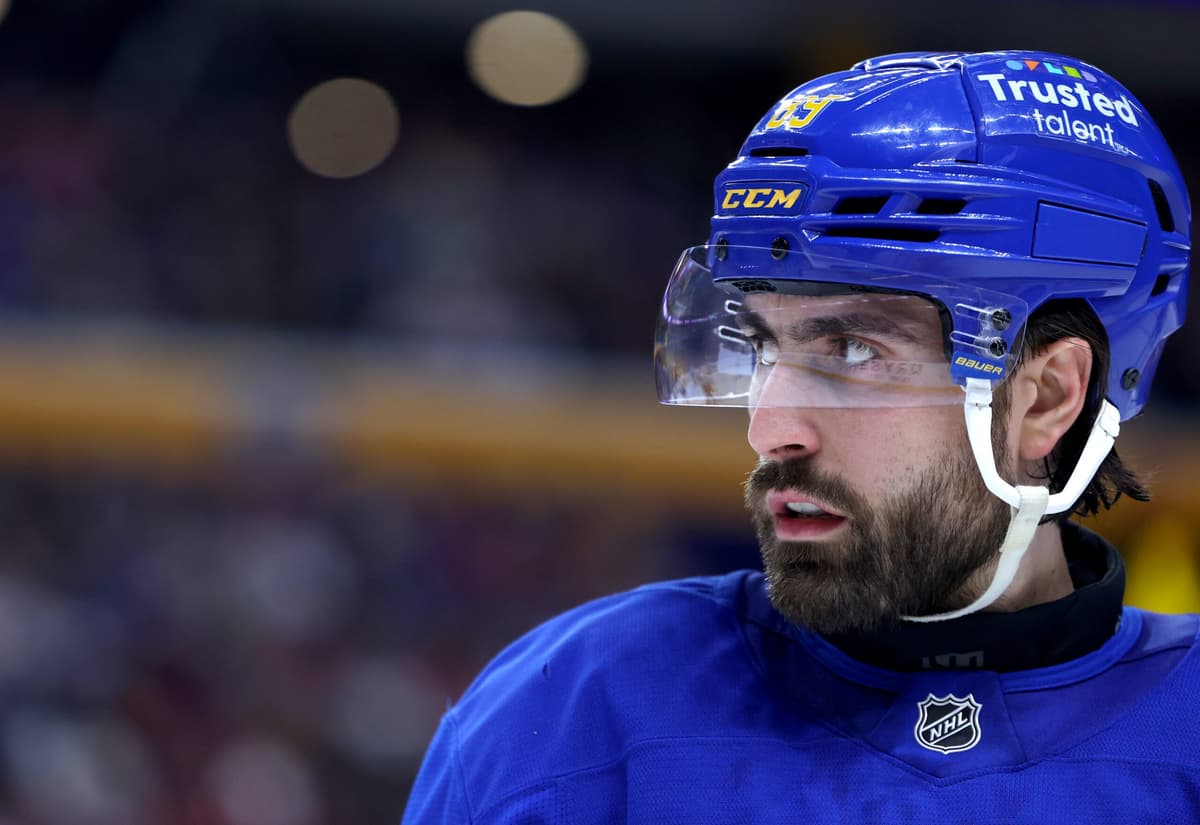
The NHL's 2026 free-agent class is thinning faster than expected. As of June 24, the market has already swallowed most mid-tier talent, with Seattle re-signing Bobby McMann and Edmonton locking in Connor Murphy and Jason Dickinson on long-term deals. The pattern mirrors last summer: in a rising-salary-cap environment, teams move quickly on their own players rather than gamble on the open market. That velocity leaves a shrinking pool of legitimate targets when July 1 arrives—and Alex Tuch sits at the top of it.
The Sabres' negotiating window with Tuch has effectively closed. Per reports, contract talks stalled before the playoffs, and with RFAs Zach Benson and Peyton Krebs both requiring new deals, Buffalo's cap math no longer accommodates keeping all three. Even the recent Bowen Byram/Jordan Greenway trade—which freed up space—doesn't move the needle enough to build a competitive package around Tuch while addressing other roster needs. The franchise has signaled internally that Tuch will likely test the market, despite mutual interest in a reunion. That calculus matters: a star forward under 30 with a career 0.91 points-per-game average, heading to unrestricted free agency with no competing offers from his current team, enters bidding with maximum leverage.
Elsewhere in the top 50, Rasmus Andersson's trajectory with Vegas tells a different story. Traded to the Golden Knights in January, Andersson looked adrift in his first weeks before reuniting with former Flames teammate Noah Hanifin. His even-strength production surged during the stretch run and remained significant through Vegas' cup run, salvaging a year that started poorly on the defensive side. The cap-crunched Golden Knights want him back, but Pavel Dorofeyev's emergence and looming RFA decisions—particularly a potential offer-sheet target—may price Andersson out. John Carlson's situation is more poignant: the Capitals traded their most productive defenseman in franchise history for a pick while still in playoff positioning and with both Carlson and Alex Ovechkin in their final contract years. At 36, Carlson has proven he's far from finished, posting 20 points in 28 playoff and late-season games post-trade. Eastern Conference teams will queue up, and he'll command strong AAV on a short-term deal—a clear statement that Washington's front office view of "planning for the future" has already erased the organizational goodwill that kept him in burgundy and gold for 17 seasons.
For bettors, the Tuch angle centers on leverage volatility. Sabres team totals may have been set with the assumption that Buffalo retains its best forward, translating to consistency in power-play production and penalty-kill stability. If Tuch signs elsewhere in the next seven days, that assumption collapses. Buffalo's projected goal differential shifts measurably—both in shot generation (Tuch averaged 3.1 SOG/game this season) and in high-leverage minutes. Any remaining Sabres totals or player props should fade hard if Tuch departs; conversely, if Buffalo re-signs him on a discounted prove-it deal by June 30, the market will have already priced out the risk, making such numbers undervalued relative to his historical output floor.
Anderson and Carlson's situations carry less direct prop impact—both are likely to sign before July 1—but Carlson's trade and subsequent resurgence hint at a broader pattern: veteran defensemen with elite power-play credentials attract premium interest once they hit the market. His next team will lean on him hard in late-game situations, potentially lifting his block and assist volume beyond his Capitals rates. Watch his team's power-play touches, not his name-brand value. The market is pricing reputation; the edge lies in usage shifts.