Carolina's Defensive Collapse in Game 1 Sets Up a Dangerous Prop Environment for Game 2
By PropBetEdge Editorial Team ·
The Hurricanes blew a 2-0 lead and allowed 30+ shot attempts; Vegas's forecheck dominance reshapes how to price tonight's shot and goal lines.
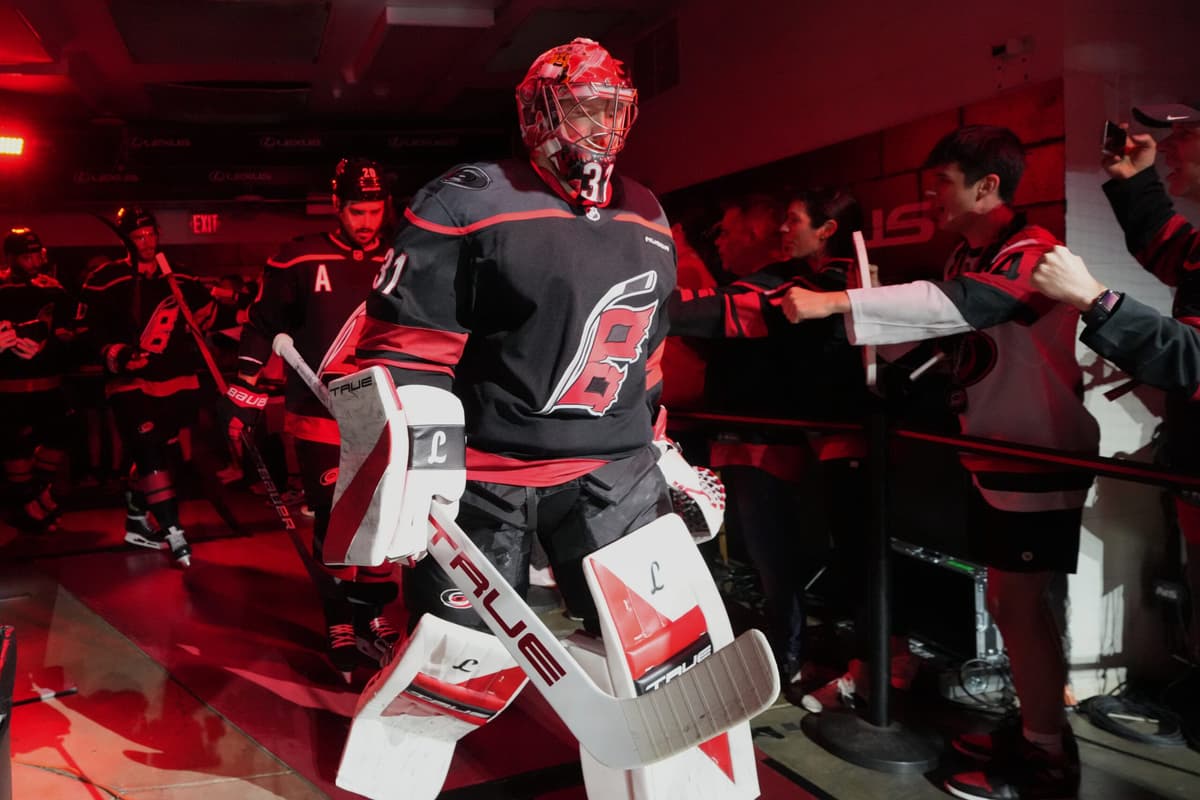
Carolina jumped out to a 2-0 advantage in Game 1 of the Stanley Cup Final, then watched Vegas dismantle them across 40 minutes of hockey. The Golden Knights' 5-4 comeback wasn't a narrow escape—it was a statement of structural superiority. Tortorella's man-on-man defensive system, paired with Vegas's relentless physical forecheck in the offensive zone, rendered Carolina's speed advantage inert. The Hurricanes couldn't generate clean exits or establish cycle play in their own end; Vegas forwards crashed the corners with a heaviness that Carolina's defenders couldn't match in transition. By the third period, this wasn't a close game masquerading as one—it was a team getting outworked.
The metrics tell the story sharply. Vegas out-shot Carolina and accumulated significantly more high-danger chances after the opening 10 minutes. Aho, Jarvis, and Svechnikov, Carolina's first line, saw their touches bunched into the early period when Vegas hadn't yet settled into coverage. Once Tortorella's system tightened, Carolina's forwards spent stretches chasing pucks and defending in transition rather than dictating play. The team's shot volume collapsed in the second and third periods, and their goaltender Frederik Andersen faced a barrage of chances from prime real estate.
For Game 2, the adjustment surface is obvious but mechanically difficult to execute. Carolina needs to neutralize Vegas's forecheck by winning puck battles in their own zone and establishing quicker outlet passes—essentially breaking the man-on-man press before it can generate momentum. If they can't, tonight's shot totals will skew heavily toward Vegas, and the Golden Knights' goal line will hold significant value. Vegas's size advantage is real; their forecheck conversion rate and net-front presence were the difference-maker, not luck or save variance.
From a prop standpoint, this creates a durable edge on Vegas's shot total (O 30.5 range), assuming the line hasn't already adjusted sharply upward. Carolina's shot output is the more volatile number. If the Hurricanes solve the forecheck in the first period, they can settle into their style and push volume northward. If they don't—if they spend the first 15 minutes in a reactive posture—expect a sub-27 shot night from Carolina. The triggering mechanism is simple: possession shape in the defensive zone. Watch the first three minutes of play. If Carolina is dumping and chasing instead of completing breakout passes, lean Vegas shots O and Carolina shots U. If Carolina is skating through the neutral zone with speed and completing first-pass reads, the reverse applies.
Vegas's goal line is a longer-term hold regardless of shot volume, because their forecheck structure generates high-quality chances. Andersen faced 45+ shot attempts in Game 1; tonight's volume may trend slightly lower if Carolina executes, but Vegas's chance quality remains elevated. The power-play opportunity count also merits scrutiny—Vegas's physical, aggressive style draws penalties, and Carolina will likely spend time on the penalty kill trying to adjust tactically. A high penalty count favors Vegas point totals (especially Aho's assist line, which could spike if Carolina trails and forces a desperate offensive approach) and depresses Carolina's.