Dallas Locks in Capobianco and Krys: Depth Defense on Affordable Terms
By PropBetEdge Editorial Team ·
The Stars cement their back-line depth with two low-cost extensions, signaling confidence in organizational stability without cap strain.
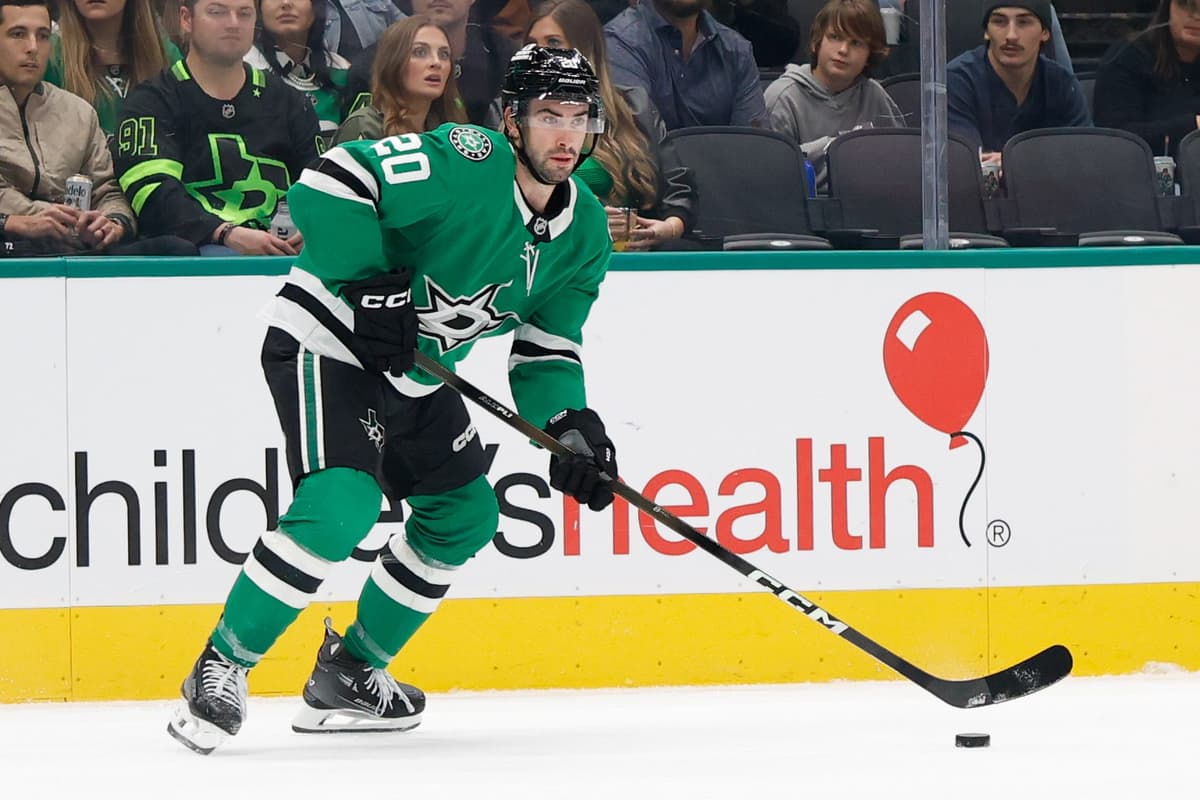
Dallas announced two-year contract extensions for defensemen Kyle Capobianco and Luke Krys on Wednesday, moves that underscore GM Jim Nill's preference for roster continuity at minimal cost. Capobianco, who appeared in 33 regular season games this past year, signed a one-way deal carrying a $875,000 cap hit. Krys inked a two-way agreement, the terms of which the team withheld from public disclosure.
These signings reveal a deliberate organizational posture: neither player commands top-four minutes or star compensation, yet both have earned roster security. Capobianco's one-way status—meaning he counts against the cap whether playing in Dallas or its AHL affiliate—suggests the team values his presence over his tradability. The $875K number is border-line negligible for a 23-player NHL roster, equivalent to about 1.1% of the modern salary cap floor. Krys's two-way arrangement is the default structure for depth defensemen without guaranteed NHL tenure, a recognition that he remains in the organizational pipeline rather than a core asset.
From a construction standpoint, these moves function as anti-volatility plays. Rather than cycle through waiver-wire pickups or shallow prospect promotions, Dallas is locking in known commodities for depth rotation and injury coverage. In the context of a competitive Central Division, that kind of organizational ballast matters—especially when it costs so little. The timing (immediate, mid-offseason) also suggests neither player was a cap-casualty trade target; Nill simply decided to retain them before the market for journeyman defensemen tightened.
For prop bettors, the significance is subtle but real: teams with stable depth defensemen tend to have lower variance in goals-against and blocked-shot totals because they're less likely to shuffle replacement-level bodies into high-leverage situations. Capobianco's 33-game sample last season limits our ability to isolate a true talent level—he may have been injury fill-in—but his retention signals Dallas believes he can sustain a fourth-line or healthy-scratch role without defensive regression. If Dallas uses him in 40–50 games next season (a realistic expectation for a depth rearguard), his saves and blocked-shot opportunities improve incrementally. More importantly, the team's goaltending save percentage benefits marginally from roster consistency; backup goaltender backup performance typically deteriorates when skaters in front of them rotate unpredictably. Capobianco and Krys now become known quantities in that respect, reducing the chaos that often spikes goals-against in deep-playoff runs when injuries force emergency call-ups.