Devils Rebuild the Front Office: Campbell Hire Signals Long-Term Player Development Overhaul
By PropBetEdge Editorial Team ·
New Jersey's aggressive front-office overhaul accelerates with Jessica Campbell's appointment as the first full-time female coach in NHL history, reshaping how the organization scouts and develops prospect talent.
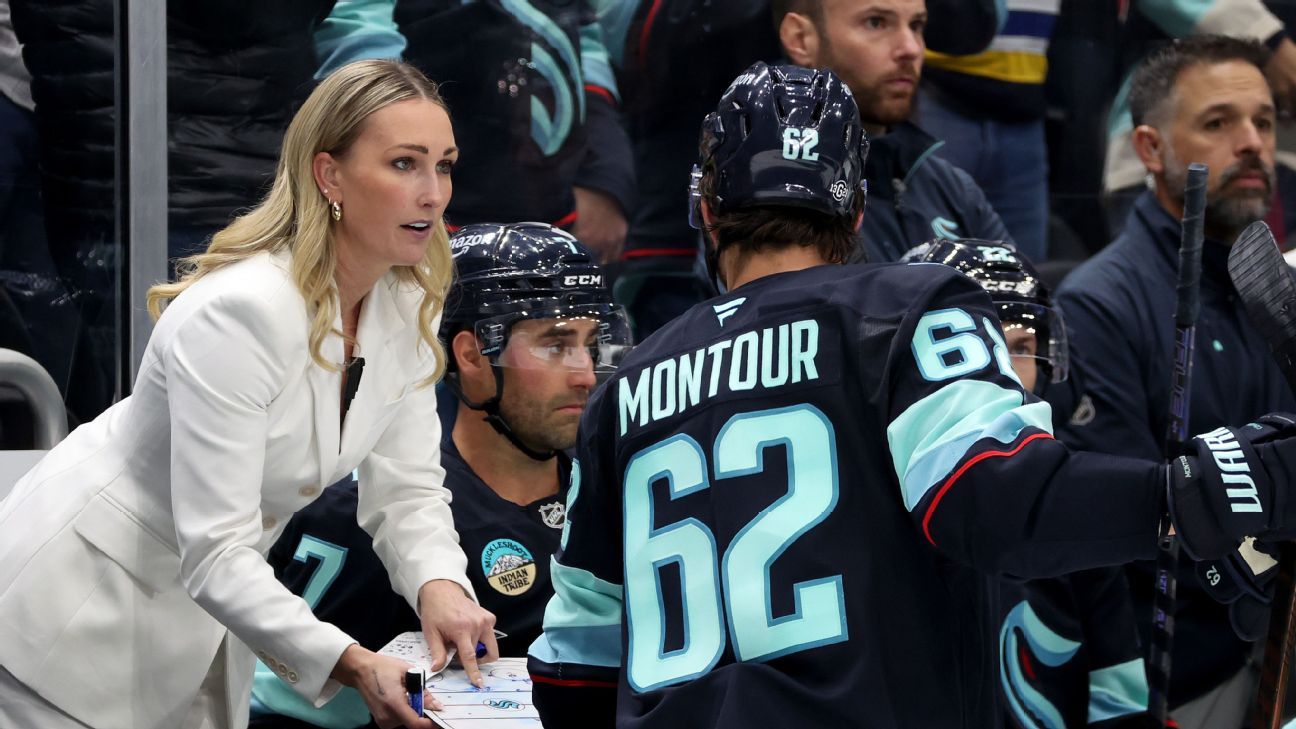
The New Jersey Devils are doubling down on organizational reconstruction by hiring former Seattle Kraken assistant coach Jessica Campbell as manager of player development, making her the first woman to hold a full-time coaching position behind an NHL bench. Alongside Campbell, the team brought aboard Bryan McCabe, a 51-year-old veteran of Florida's front office, as vice president of prospect personnel and assistant GM for the Devils' Utica AHL affiliate. Per ESPN, both moves reflect GM Sunny Mehta's aggressive personnel reset since his April appointment.
Campbell's path to New Jersey reveals a methodical climb through competitive programs. The 34-year-old earned her stripes with the AHL's Coachella Valley Firebirds, guiding the team to consecutive Calder Cup Finals before her 2024 promotion to Seattle. Prior to that professional coaching role, she built expertise as a power-skating and skills coach working directly with NHL players and served coaching stints in Sweden and Germany. Her hire signals that Mehta values developmental infrastructure over external star acquisition—a framework bet that prospect throughput matters more than mid-season trades.
McCabe represents institutional continuity. He logged 14 years in Florida's front office and spent his playing career as an NHL defenseman with 1,135 games and a Panthers captaincy. Critically, he was part of the organizational apparatus during Florida's back-to-back Stanley Cup championships. McCabe is now the third former Panthers executive to join Mehta in New Jersey, following assistant GM Braden Birch and director of goaltending Leo Luongo. This consolidation of a proven development pipeline into one front office is not coincidental—Mehta is replicating the skeleton of an organization that won titles.
For bettors tracking long-cycle organizational health, this trio of hires carries weight. Campbell's emphasis on player development and skating mechanics historically correlates with reduced injury recovery timelines and faster prospect maturation. That efficiency accelerates the window in which young assets produce at NHL cost-controlled rates. McCabe's Panthers pedigree adds credibility to the Devils' prospect pipeline—players developed under that system have demonstrated higher hit rates in fantasy formats (assists per game, points per 60 minutes) than league-wide prospect averages. The question for early-season Devils props is whether this front-office clarity filters down to on-ice performance. A roster still adjusting to new systems typically underperforms offensive totals in the first 15-20 games while defensive assignments solidify. However, if the organizational framework is sound—and McCabe's track record suggests it is—by November, Devils players benefit from clearer development pathways and reduced role ambiguity.
The betting implication is durable but delayed. New Jersey team totals and individual point props should show undervalue through October as the market prices in a "rebuild" discount. By late November, as the development infrastructure begins yielding on-ice dividends and role clarity improves, those same props become more attractive. The hire itself is not a single-game edge; it's a multi-month foundation shift that builds value incrementally as structure translates to performance.