Rangers Gamble on Bjorkstrand's Rebound: Cheap Depth Play or Sunk Cost?
By Ty Whitney ·
New York signs a 31-year-old winger on a prove-it deal after his production cratered in Tampa Bay, hoping the change of scenery unlocks 20-goal potential in a struggling offense.
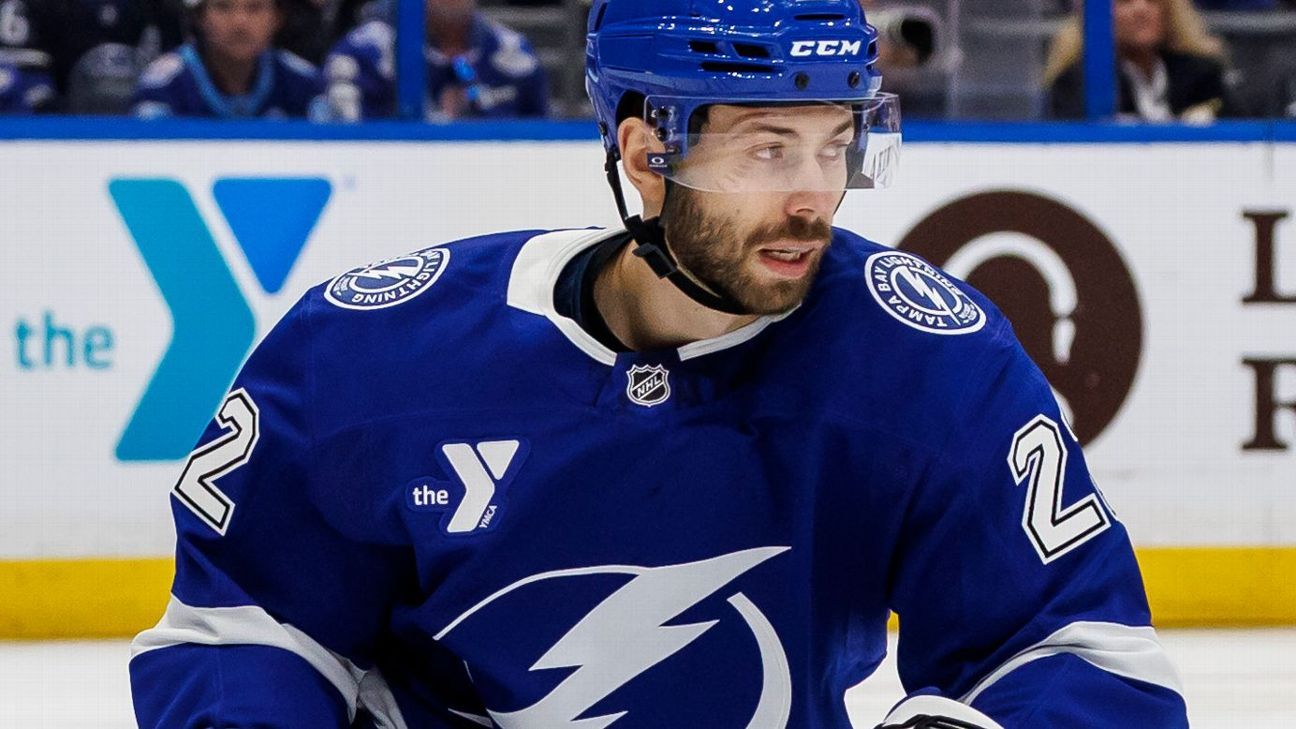
The New York Rangers signed free-agent winger Oliver Bjorkstrand to a one-year, $4.5 million contract on Wednesday, marking their second significant offensive addition this offseason after landing Pavel Dorofeyev from Vegas. Bjorkstrand, 31, arrives in Manhattan coming off a sharp production cliff: he managed just 12 goals and 20 assists across 80 games with Tampa Bay last season, a steep decline from four consecutive 20-goal campaigns that preceded it.
The context matters. Bjorkstrand's collapse in Tampa wasn't merely statistical noise—his ice time plummeted to 13:38 per game, well below the 16-17 minute range he'd inhabited for years. That's not a talent regression; that's a usage demotion, often the first signal of organizational skepticism. The Lightning, in the midst of their own cap squeeze and playoff triage, had already invested in younger wings and essentially benched him. A March 2025 trade acquisition suddenly disposable by season's end reads as a dead-end partnership, not a market mispricing.
New York's offensive infrastructure is desperate enough to justify the swing. The Rangers finished 23rd in goals per game (2.87) last season and missed the playoffs in back-to-back years, dead last in the Metro Division. Adding Dorofeyev's 11 million cap hit plus Bjorkstrand's 4.5 million represents a real gamble that either or both reignite under a new coach or system. For Bjorkstrand specifically, the math is simple: if his production does return to the 20-goal mark on a reduced contract, New York has a bargain depth piece. If it doesn't, the one-year structure limits the organizational damage.
From a prop perspective, the Rangers' total offensive output hinges more on deployment than talent. If Bjorkstrand regains consistent top-six minutes—a decision that rests entirely with the head coach—his shot volume and therefore goal probability rise materially. His career 416 points in 704 games translates to a 0.59 points-per-game baseline, but that's a rearview mirror number. The operative question is whether the Rangers coaching staff views him as a fourth-line depth anchor or a reclamation project worth 15-17 minutes. At 13:38 of ice time, even a skilled finisher struggles to accumulate. Early preseason reports on his role will be the true market mover for any Bjorkstrand shot or goal props—not his contract value, which the books have already priced at league-minimum for a 31-year-old on the wrong side of a decline curve.
The Rangers offense remains fragmented heading into next season. Dorofeyev brings elite finishing, but Bjorkstrand is a complementary piece banking entirely on usage. Lean skeptical on his individual goal totals until concrete evidence emerges that the coaching staff intends to play him more than 14 minutes per night. The one-year deal is sensible roster construction; it's not an unlock.