Nashville Adds Depth With Edstrom Trade; Rangers Clear Cap Space Before Draft Close
By Ty Whitney ·
The Predators bolster their fourth line by dealing a mid-round pick and an RFA forward for a 6'7" center still on a cheap contract—a structure that hints at MacFarland's rebuild priorities.
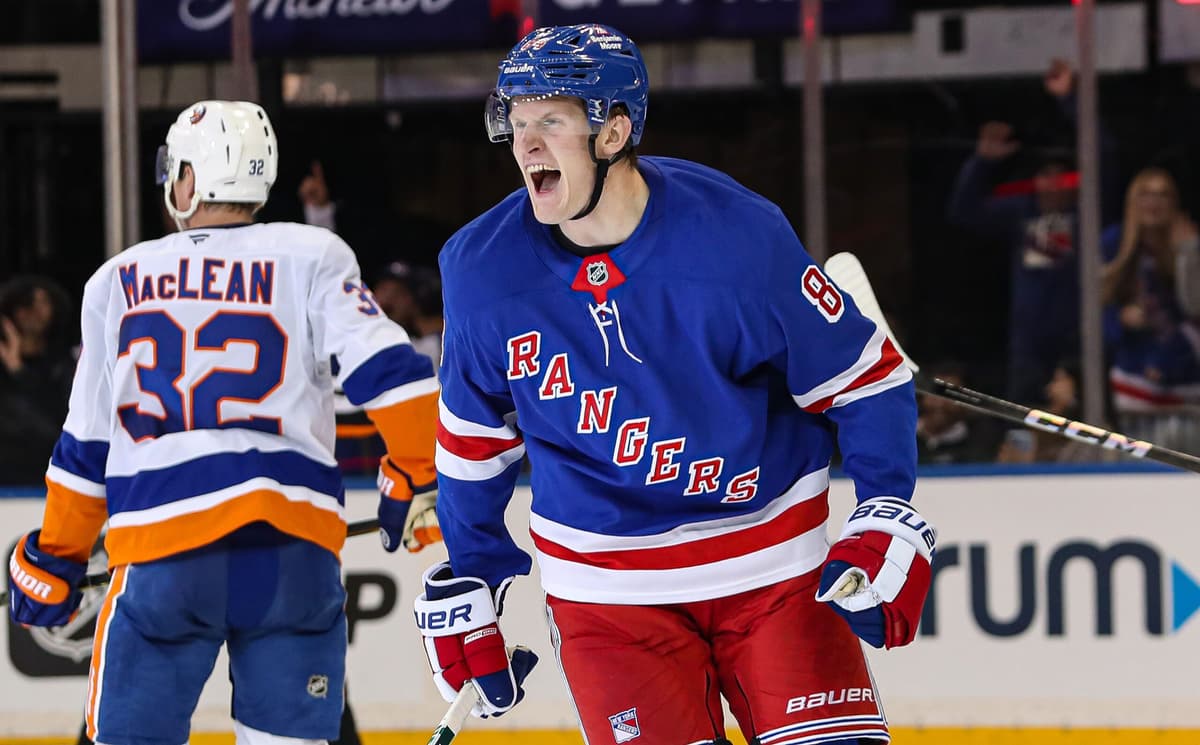
Nashville acquired center Adam Edstrom from the Rangers on June 27 in exchange for 25-year-old RFA forward Massimo Rizzo and the No. 148 overall pick in the fifth round. It's the kind of marginal-utility swap that defines the final hours of draft day—both teams trading low-cost pieces to address immediate roster gaps.
Edstrom, 25, is a 6'7" fourth-line option who posted 5 points across 35 games with New York this season. He's in Year 2 of a two-year deal worth $975K, meaning Nashville absorbs a predictable contract without surrendering future flexibility. The Rangers, meanwhile, free up the roster spot and the modest cap footprint, likely creating space for other moves or signings in the window before the draft concludes. For a rebuilding Rangers front office, the fifth-rounder is a calculated sunk cost—the real win is shedding Rizzo's RFA arbitration exposure.
Chris MacFarland's first moves as Nashville's president of hockey operations have emphasized restocking the depth chart with bodies who won't command premium minutes or leverage. Edstrom fits that profile: he's big enough to bring physicality, he won't clog salary cap room, and he arrives on a contract that expires when the Predators' younger core (if they land high picks) will need runway. The Predators aren't tilting at contention right now; they're assembling a chassis for flexibility.
For prop bettors, the practical impact is modest. Edstrom's ice time is unlikely to spike in Nashville—he'll slot into the third or fourth line in similar usage patterns to what he saw in New York. His 5 points in 35 games (a 0.14 PPG pace) suggests he's a minutes-eater rather than a production lever. Even if Nashville gives him slightly more PP2 exposure than the Rangers did, the expectation is that his assists, goals, and points totals remain marginal to team projection models. The trade tidies Nashville's roster without materially shifting their offensive or defensive profile.
The Rangers, conversely, are slightly weaker on the margins—they've lost a body in the bottom six and a future pick—but neither loss meaningfully tilts their season probabilities. Both teams are trading peanuts, which is how you know the real action is happening elsewhere on the draft floor. Monitor Nashville's remaining moves to see whether MacFarland is still hunting depth or pivoting toward a veteran acquisition before the cap window closes.