Penguins Acquire Lapierre on a Discount; What the Contract Says About Pittsburgh's Forward Depth
By PropBetEdge Editorial Team ·
Pittsburgh paid only third and fifth-round picks for a 24-year-old center, then locked him in at $1.3M cap—a valuation signal that markets should price into depth-line volatility.
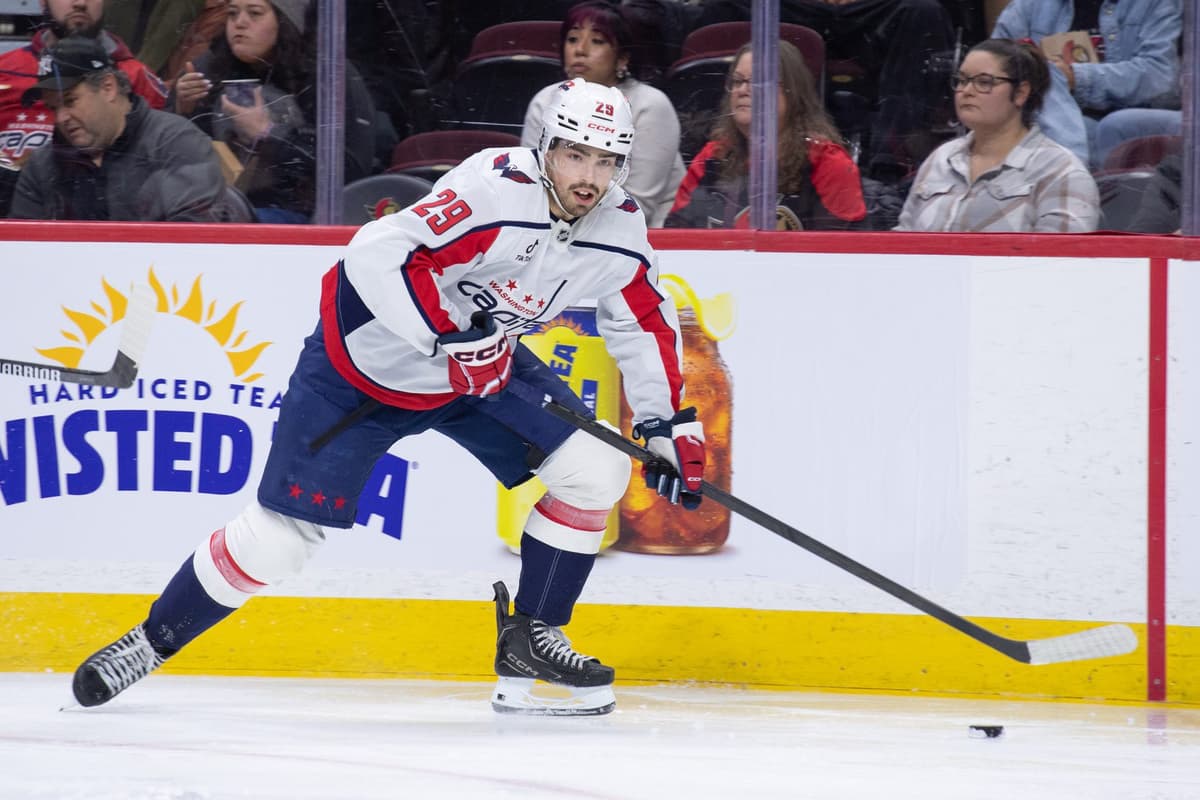
The Pittsburgh Penguins signed center Hendrix Lapierre to a two-year deal carrying a $1.3 million cap hit, completing a trade that brought him over from Washington in exchange for a third-round pick and a fifth-rounder. On its surface, the acquisition is a low-cost depth play—the kind of move that teams execute quietly every offseason when a younger center with NHL experience becomes available at a discount.
But the structure of this deal carries real information. Lapierre, 24, spent the last two seasons in Washington's bottom-six rotation after being drafted in the second round in 2022. He's accumulated 38 games of NHL ice time across two seasons, averaging 9:15 per night—short-leverage minutes, limited offensive touch. The Penguins valued him enough to move a third-rounder, which at minimum suggests they see offensive potential beyond what Washington extracted. The $1.3M AAV is the rate you pay for a prospect converting into a full-time role player, not a sunk asset on an AHL deal. Pittsburgh is betting on ceiling, not floor.
For a franchise currently operating with aging anchors in Sidney Crosby (age 39) and Evgeny Malkin (age 40), the acquisition reflects a staffing philosophy: cheap, young centers to fill depth slots and absorb fourth-line duties when injuries strike. Lapierre becomes insurance against further attrition. If he produces at a 35-point-per-82-game pace in a third-line role, the contract looks shrewd. If he bottoms out as a fourth-liner, the salary is negligible—$1.3M is a rounding error on the books.
From a prop perspective, Lapierre's deployment matters more than his individual ceiling. He'll enter camp fighting for a slot somewhere between the third and fourth lines. If Pittsburgh's top-six suffers injury—always a risk in hockey—Lapierre's ice time and shooting volume could spike into usable ranges for props. Right now, expect him to post 6-8 shots per game when healthy and in the lineup, with assist rates tied to penalty-kill and fourth-line chemistry. His power-play touches will be minimal until he earns higher leverage. The contract's affordability also signals that Pittsburgh retains cap flexibility for mid-season trades or injury replacements, which will suppress late-season volatility on other Pittsburgh forwards if depth needs arise.
Bettors should view Lapierre as a stay-away in the short term. The line for his season shot total won't calibrate until mid-preseason workouts reveal his actual role. Once camp opens and rotation depth solidifies, the market will price his actual fourth-line usage—likely 11-14 minutes a night. At that point, look for single-game props (anytime goal, 2+ shots) only in extended sample sizes when Pittsburgh plays teams that bleed top-line offense and forces depth-line minutes upward.