Penguins Bet on Lapierre's Upside; Washington Clears Cap Space in Mid-Market Swap
By PropBetEdge Editorial Team ·
Pittsburgh trades modest draft capital for a restricted free agent center with untapped offensive potential, while the Capitals continue reshaping their roster.
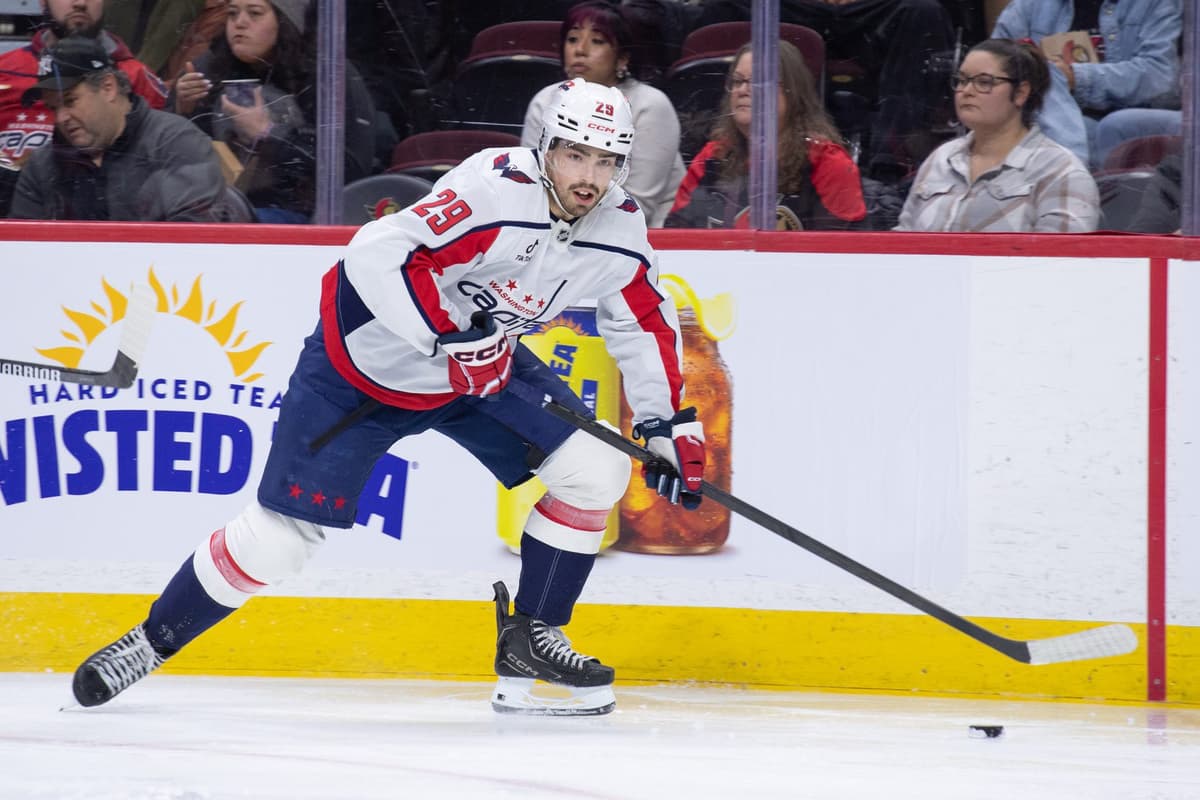
The Pittsburgh Penguins acquired center Hendrix Lapierre from the Washington Capitals on Wednesday in exchange for a 2027 third-round pick and a 2028 fifth-round pick via San Jose. The trade is the Capitals' latest move in an active offseason aimed at shedding salary and remaking their forward group, while Pittsburgh gambles that Lapierre can unlock additional value in a different system.
Lapierre, a 24-year-old center drafted by Washington in 2019, appeared in 58 games last season, posting modest totals of 4 goals and 12 points. The underlying metrics hint at untapped potential: he averaged 14:47 time-on-ice per game and saw limited power-play deployment (1:12 per contest on the man-advantage). In Pittsburgh's system, where center depth has become a strategic priority, Lapierre projects for increased leverage in offensive situations—particularly on secondary units where he can operate with more puck touches and decision-making autonomy. The Penguins are essentially betting that reduced defensive responsibility and consistent lineup placement translate to tangible offensive gains.
For Washington, the trade continues a deliberate dismantling of underperforming contracts. The organization has signaled it will reset around younger talent, and Lapierre's restricted free agent status (meaning the Capitals retained control of his immediate future before the move) represented a negotiating headache the front office chose to avoid. The draft picks—a third-rounder in 2027 and a fifth-rounder in 2028—are modest currency, reflecting Lapierre's middling reputation. Neither pick approaches what a team would surrender for a proven scorer, a reality that underscores the market's skepticism about his ceiling.
From a prop-betting standpoint, Lapierre's line moves depend almost entirely on Pittsburgh's deployment decisions once the roster stabilizes. If the Penguins slot him into their second-line center role alongside established wingers, his assists and points totals could spike meaningfully. He recorded 0.21 assists per game in Washington over 58 contests—a rate bottlenecked by limited power-play reps and linemate quality. Pittsburgh's infrastructure typically offers better offensive support; if Lapierre earns consistent second-unit time and 18+ minutes per game (a reasonable assumption given the trade investment), his assists per game floor rises to approximately 0.35-0.40. That's a material departure from his recent floor and one that sportsbooks may underprice at market open, particularly if his preseason action signals expanded responsibility.
The persistent edge here isn't one-game volatility; it's roster context. Lapierre's prop totals will be constructed from his final Washington baseline—likely priced conservatively—then anchored to that floor when season lines drop. If Pittsburgh deploys him differently (higher leverage, better linemates, more power-play exposure), that baseline becomes stale within weeks. Smart money should monitor his preseason ice time splits and power-play assignment. Early-season unders on his points or assists totals likely carry value if they're built from his depressed 2025-26 usage, especially if he's actually earned a promotion in Pittsburgh's hierarchy.