Panthers Gamble on Gudas Hours Before Free Agency: A Depth Defense Trade With UFA Risk
By Erik Schwartz ·
Florida swaps depth pieces with Anaheim to acquire a physical defenseman, but both Gudas and the outgoing Greer are unrestricted free agents as of tomorrow—making this a speculative bet on retention over substance.
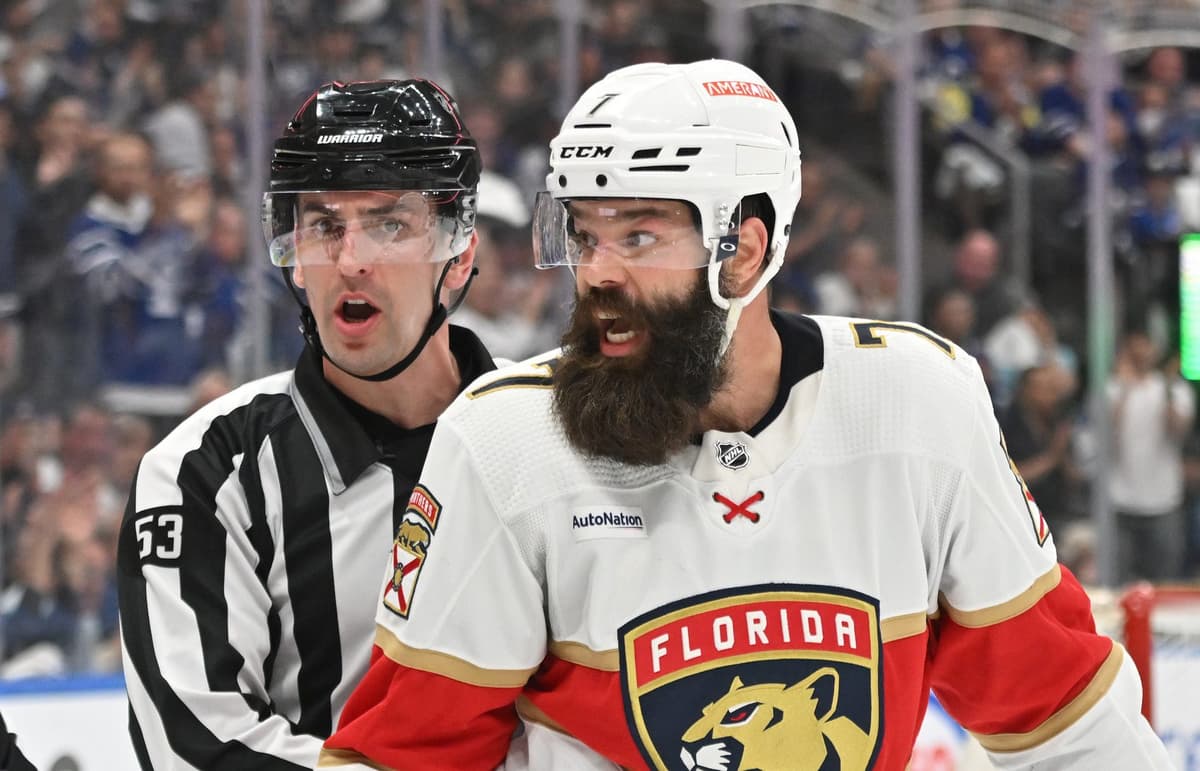
The Florida Panthers acquired defenseman Radko Gudas from the Anaheim Ducks on Monday in exchange for forward A.J. Greer, a swap of pending unrestricted free agents that closes on the eve of the July 1 free-agency window. Neither player carries guaranteed commitment past today; the trade amounts to Florida betting it can re-sign Gudas to a terms that work, while Anaheim accepts a futures gamble on Greer.
Gudas, 32, has been a steady depth defenseman and physical presence in Anaheim's bottom four, averaging 15–17 minutes per game and logging consistent blocked shots and hits. His value in the modern NHL is almost entirely tied to penalty-minute suppression and physical deterrence—not puck movement or zone entry facilitation. Greer, 28, is a similar archetype: a bottom-six forward who plays a checking role and brings forecheck grit. By organizational valuation, neither player is a core asset. The trade is a sideways exchange of role players, meaningful only if Florida believes it can retain Gudas at a reasonable cap hit and lock him into a multi-year agreement before midnight tomorrow.
The risk calculus is stark. If Gudas walks to free agency and signs elsewhere (likely, given his age and the open market), Florida has surrendered a prospect or pick opportunity for temporary roster depth. Conversely, if the Panthers execute a retention deal in the next 26 hours, they've acquired a known physical entity at a negotiated discount. Anaheim faces the inverse: Greer is now their property to court, but the Ducks are also competing with 31 other teams for his signature on July 1. This is not a win-now trade; it's a depth-roster maneuver designed to give Florida flexibility in negotiations while signaling a preference for a specific defensive archetype.
For prop bettors, the immediate takeaway is muted. Gudas and Greer are marginal contributors to their respective teams' shot-volume metrics and scoring efficiency. Gudas will not materially shift Florida's power-play structure or penalty-kill save rates—he's not a top-four defender. If he re-signs, his blocked shots and hits totals might edge slightly higher in a Panthers uniform (Florida's defensive system tends to lock down perimeter play), but the impact is incremental. The trade has no bearing on Aleksander Barkov, Jonathan Marchessault, or the core offensive weapons that drive Florida's team total or goal-line props. This is organizational depth shuffling, not a catalyst for line movement.