McDavid's Sixth Coach: Edmonton Admits the Roster, Not the Bench, Failed
By Erik Schwartz ·
Kris Knoblauch's firing marks the Oilers' third coaching change in four years—a sign that Edmonton's real problem isn't tactics, it's talent depth and goaltending.
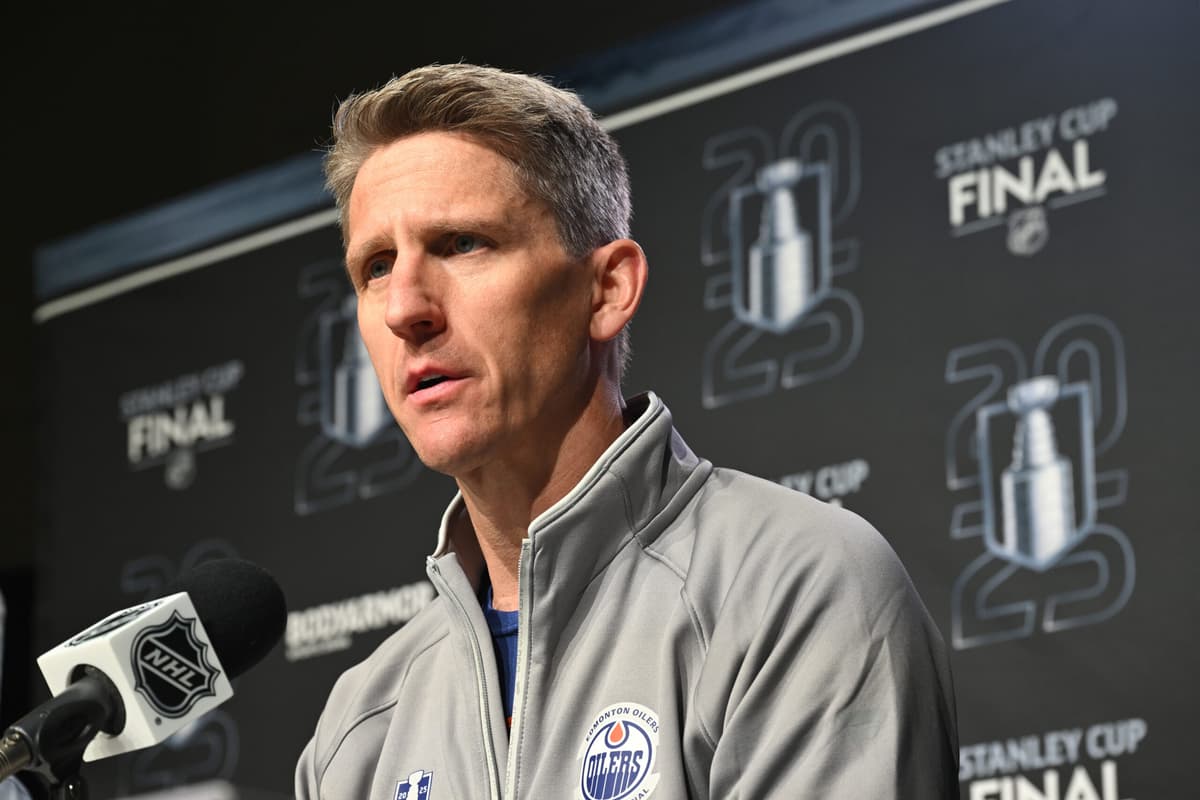
The Edmonton Oilers fired head coach Kris Knoblauch on Thursday after three seasons, making Connor McDavid the fourth-generation Oilers star to cycle through his sixth head coach. On paper, the decision borders on reactionary: Knoblauch steered Edmonton to consecutive Stanley Cup Finals in his first two seasons, losing both times to Florida. But this year's collapse—an underwhelming regular season followed by a first-round exit to Anaheim—apparently erased the goodwill two conference championships might otherwise have bought.
The problem with firing Knoblauch isn't that he failed to extract talent; it's that Edmonton's supporting cast finally broke surface tension. A team built around McDavid and Leon Draisaitl still lacks a reliable third line, goaltending that can steal games, and defensive depth that survives injuries. When your top two players are transcendent but your fifth-best skater isn't NHL-caliber, coaching philosophy becomes academic. Knoblauch's sin wasn't poor systems—it was inheriting a roster with a narrower margin for error than the Finals appearances suggested. The two-time Finals run masked structural vulnerabilities that compounded when depth players underperformed and Stuart Skinner couldn't sustain playoff-level save percentages.
Edmonton now enters an offseason with its goaltending and blue-line depth in crisis and exactly one window to contend before McDavid's prime fully recedes. The Oilers are signaling that a new coach might unlock chemistry, but the real work involves acquisition: a legitimate starter in net, a top-four left defenseman, and at least one reliable depth wing. Without those moves, the seventh coach won't fare better than the sixth.
For bettors, this coaching change introduces near-term volatility without fundamental improvement. The Oilers' team total for 2025-26 will likely open in the 100-105 range on flat expectations—new coach bump versus ongoing structural weakness—but that line should compress lower once the market prices in Edmonton's probable offseason inactivity or modest moves. Watch preseason splits carefully: if the top six lines generate expected shot volume but still surrender high-danger chances, that's evidence the defensive structure, not the voice, remains compromised. Conversely, if Draisaitl's primary-assist rate climbs above 5.2 per game (his three-year average of 4.9 suggests room for scheme optimization), a new coach might have genuinely improved structure. Until Edmonton addresses goaltending—and there's no indication it will acquire a true difference-maker—team-total unders carry the structural edge. The talent ceiling is real; the floor is now lower than it was in May.