McDavid's Disappointment Masks a Deeper Edmonton Restructuring Problem
By PropBetEdge Editorial Team ·
The Oilers traded their most reliable defenseman for unproven depth, signaling a gamble on youth that could crater their blue-line stability through 2026-27.
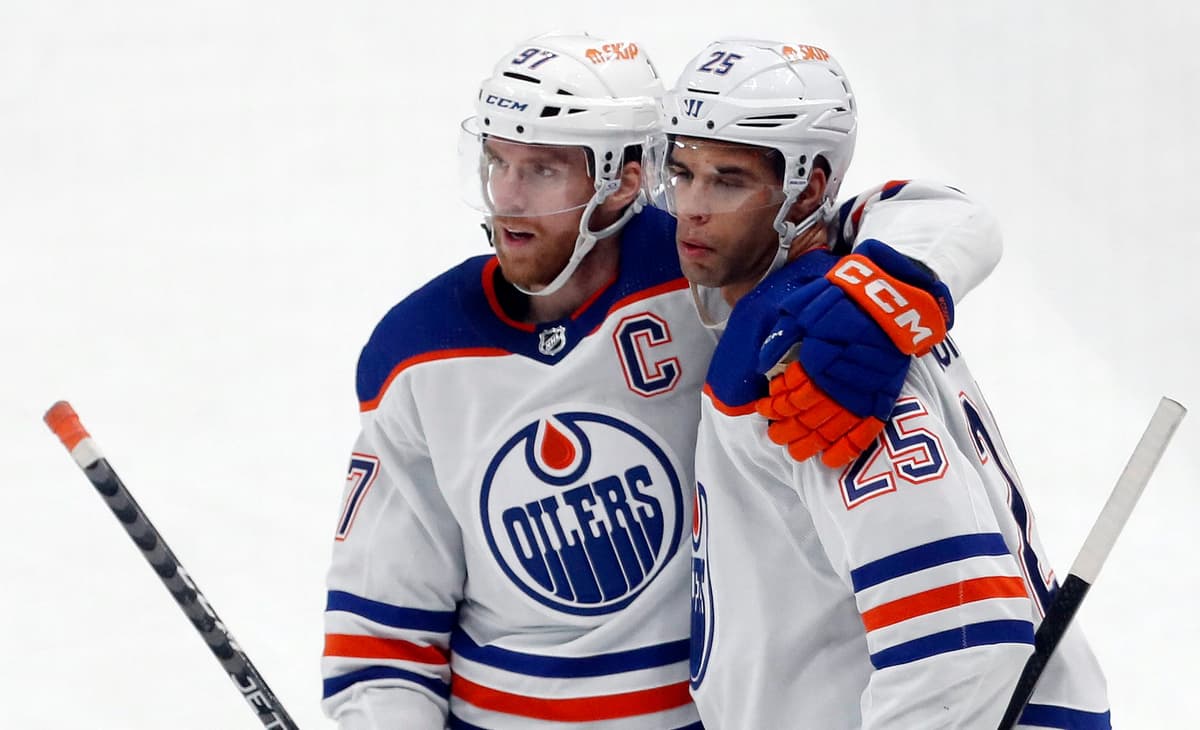
Darnell Nurse is gone from Edmonton. The Oilers traded their 31-year-old defenseman to San Jose earlier this month after he requested out, and Connor McDavid's public reaction—calling it "extremely disappointing"—captures the gap between what the team lost and what it acquired in return. In exchange for Nurse's 9.25 million cap hit and veteran reliability, Edmonton received Shakir Mukhamadullin and Zack Sharp, two young defensemen with minimal NHL track records. The transaction reads less like a hockey trade and more like a franchise betting its Cup window on unproven talent.
Nurse has been McDavid's teammate since 2015, a constant through Edmonton's transformation from basement dweller to Stanley Cup finalist in back-to-back years. Yes, the fanbase had legitimate critiques of his consistency and decision-making. Yes, his contract was bloated. But the alternatives Edmonton is banking on—Mukhamadullin (23 years old, 31 games of NHL experience) and Sharp (24, even less established)—represent a massive downgrade in production and durability. The Oilers made the Cup Final in 2024 and 2025 because their blue line could absorb depth-chart churn. Nurse wasn't the star piece, but he was the floor. That floor no longer exists.
Mike Babcock's arrival as head coach and additions like Frederik Andersen address the goaltending and forward depth, which softens the organizational sting. But a defense that couldn't stop Anaheim in a seven-game first-round upset this past spring now has less experienced arms protecting its own zone. McDavid's "exciting time in Edmonton" optimism glosses over a structural weakness: the Oilers are investing in development depth when they should be consolidating for one last aggressive push. The Cup window doesn't wait for 23-year-olds to hit their stride.
For bettors, this manifests in Edmonton's season-long defensive metrics and goal-against projections. Mukhamadullin and Sharp will see increased ice time out of necessity, not readiness. The Oilers will lean harder on their power play and offensive generation to win games, because even-strength defensive play becomes more volatile when your third and fourth defensemen are still in their development phase. Expect Edmonton's goals-against average to trend upward compared to last season; the team will score more to compensate, raising team totals. Additionally, Andersen's workload will increase due to tighter defensive walls in front of him—his save percentage may appear solid, but the volume of high-danger chances will climb.
The betting edge here is directional but persistent. Oilers season-long team totals priced at 250+ goals should lean under because defensive slippage will force a more conservative approach down the stretch. Conversely, their opponent totals (goals against) should trend over as the blue-line youth creates offensive opportunities through turnovers and broken coverage. This isn't a single-game variance play—it's the structural cost of trading a known quantity for upside that doesn't yet exist.