Ovechkin's Youth Movement Reshapes Washington's Offensive Ceiling
By Erik Schwartz ·
The Capitals captain nearly reconsidered retirement after losing Carlson, but the emergence of Cole Hutson and Ilya Protas has him betting on a rebuilt roster.
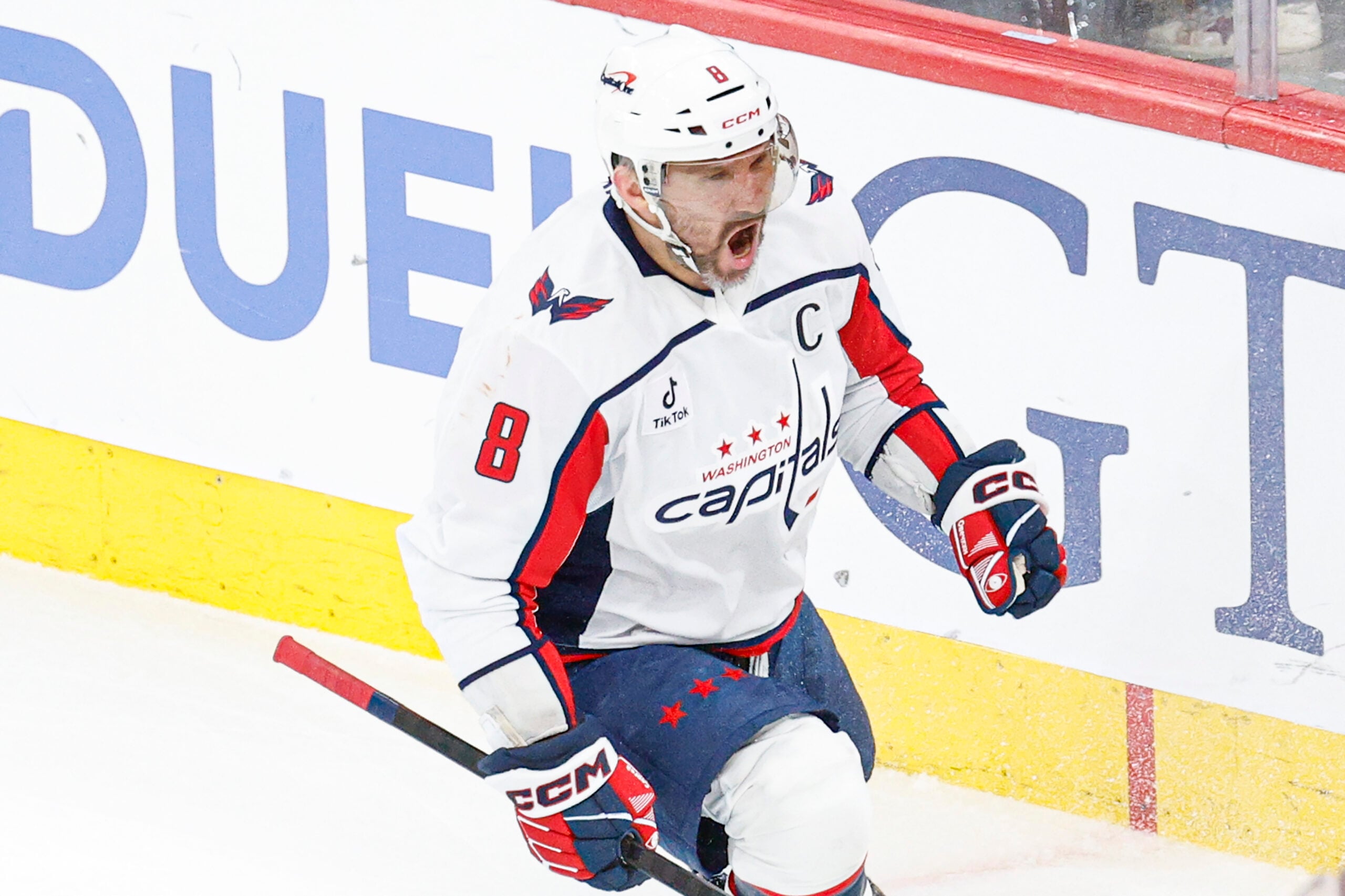
Alexander Ovechkin announced on July 2 that he would return for another season with Washington, but the decision came closer to the edge than publicly known. When the Capitals traded defenseman John Carlson—a partner through the 2018 Cup run and a personal friend—Ovechkin's confidence in the organization wavered. Per Elliotte Friedman's reporting, the captain felt the loss acutely. What shifted his thinking wasn't nostalgia or contract guarantees. It was the performance of two prospects down the stretch: 20-year-old defenseman Cole Hutson and winger Ilya Protas.
Hutson arrived after finishing his NCAA career at Boston University, where he compiled 80 points across 74 games over two seasons. In a 14-game NHL audition, he added 10 more. Protas, the younger brother of an existing Capitals forward, dominated the OHL with 124 points in 61 games before posting 66 points in 69 AHL contests. Both represent the type of youth movement that typically signals a franchise betting on a multi-year window—and that message resonated enough with Ovechkin to ink another year. Add the mid-offseason acquisitions of Alex Tuch, Jordan Kyrou, and Boone Jenner to the mix, and Washington's forward group has genuine depth and scoring thresholds.
The calculus here matters for how Washington will attack next season. Ovechkin at 40 years old isn't the volume shooter of his prime, but he still operates as the hub of the Capitals' power play and late-game offense. When a roster constructs itself around young, agile wings (Hutson's left-shot profile, Protas's speed in transition) paired with veteran offensive drivers (Ovechkin, Tuch, Kyrou), the result is typically elevated shot volumes and assist rates. Protas's ability to generate off-ice scoring at the junior level—translating North American O-hockey patterns into NHL pace—should open lanes for Ovechkin's set-play dominance on the man-advantage.
For prop bettors, the implication is straightforward: Ovechkin's power-play point total and team total scoring are positioned for upside relative to preseason estimates that may still reflect last season's lower-ceiling roster. His goal total likely sits in the 25–32 range given age and role compression, but his assists—particularly on the power play where Hutson and Protas's positioning can multiply touch opportunities—may be underpriced. Washington's team total goals-per-game should tick above their 2.87 last season; expect 2.95–3.10 once this forward group gels. The edge isn't a single-game spike. It's a structural improvement in offensive architecture that took Ovechkin's second thoughts to expose.
Meanwhile, the Jason Robertson arbitration saga and Pittsburgh's interest adds secondary intrigue. Robertson remains unsigned with Dallas at roughly $12.5 million AAV, with the Penguins expressing serious interest. If Robertson lands in Pittsburgh, that's a mid-tier forward-group upgrade but doesn't materially alter Washington's outlook. Robertson's absence from Dallas, however, could shift the Stars' defensive reliance and scoring distribution—a separate angle for later. For now, the story is Washington's faith in youth keeping their captain committed.