NHL · injury
Bouchard's Concussion and Toronto's Goalie Gamble Reset Deadline Calculus for Two Eastern Powers
An ugly hit in Team Canada's tournament reshuffles Edmonton's blue-line depth chart while the Leafs quietly prepare contingencies at a position they've mismanaged for three seasons.
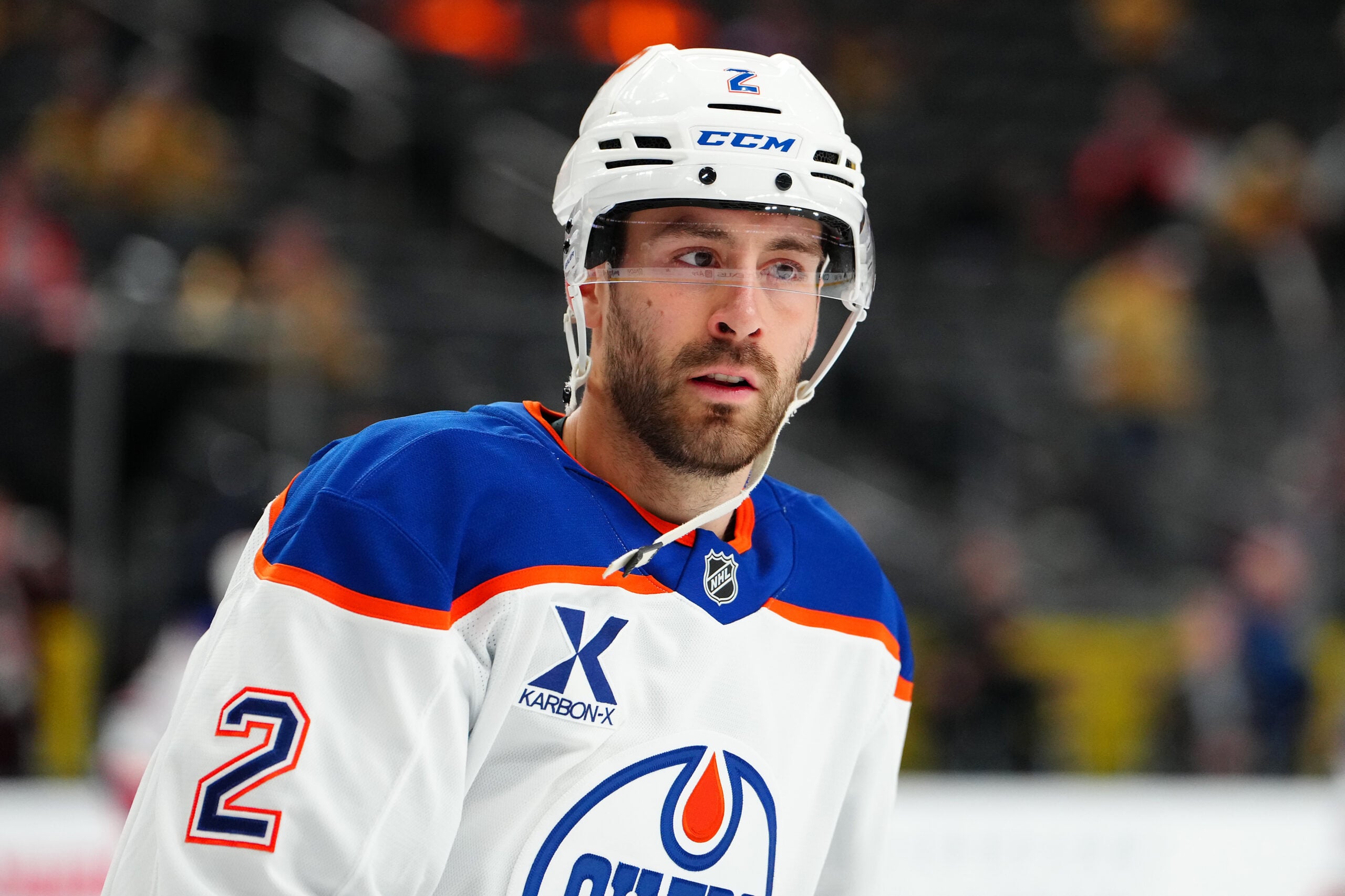
Evan Bouchard was unconscious on the ice after Ryan Lindgren's hit in Team Canada's quarter-final against the USA, a moment that froze the arena and sent immediate ripples through Edmonton's organizational planning. The Oilers defenseman absorbed direct head contact, stayed down long enough that trainers had to assist him off the surface, and while the full scope of injury remains unconfirmed, the timeline for his return is now a variable the team must budget for heading into free agency and the draft. For a roster already navigating cap constraints and aging depth, losing Bouchard—their most productive offensive weapon on the back end—for even a handful of weeks creates a vacuum.
Toronto's reported quiet monitoring of prospect Artur Akhtyamov reads differently on the surface: internal optimism about a young goaltender developing into an NHL-caliber starter. But the subtext is sharper. The Leafs are staring down a logjam of uninspiring options—Joseph Woll, Anthony Stolarz, and Dennis Hildeby—and none has credibly seized the starting role. If the organization genuinely believes Akhtyamov can contribute at the NHL level, even as a backup or future starter, it signals they're preparing to move at least one current body. That roster flexibility buys them more aggressive maneuvers elsewhere, whether in forward depth or defensive support. It's a signal of internal confidence in a young asset, which is how smart organizations telegraph their trade and retention decisions months before they announce them.
Bouchard's injury and the Leafs' goaltending architecture matter to two different betting angles, but they share a common thread: lineup volatility and reduced lineup depth. For Edmonton, any extended absence from Bouchard (weeks to months, not days) reduces their shot volume from the point and lowers their power-play efficiency—Bouchard has been one of the league's most productive defensemen in those units. Their team totals should compress if he's sidelined more than a game or two, and that price movement happens fast; the injury is already public. What the market hasn't fully priced is the degree to which Edmonton's mid-tier defensemen will have to shoulder more usage. That usage bump may inflate their individual shot totals as the team compensates, but it also correlates with lower-efficiency attempts because replacements lack Bouchard's shot placement and timing on the power play. Watch Edmonton's team total for their next two games; if Bouchard is confirmed out, unders at current numbers carry edge.
Toronto's goaltending posture is subtler. The Leafs' willingness to invest internally suggests they're not panic-trading for established depth—they're signaling they believe their stopgap inventory is stable enough to hold. That reduces the urgency of a midseason goaltender trade and narrows the pool of available arms. For bettors, it means Toronto's roster shape is set. The implicit commitment to Woll or Stolarz as their starter (whoever wins the battle) removes uncertainty around potential mid-season disruption. That stability matters for their moneyline and spread pricing because goaltender turnover, even modest swaps between two low-confidence options, creates variance. If Toronto's brass is telling analysts they're comfortable with internal continuity, the market should price more confidence in their backend stability than it would if a splash trade were pending. That's a lean toward Toronto's moneyline in close matchups; the organizational signal removes a variance layer.
Corey Perry's continued search for a team and the continued holding pattern around Matthews and McDavid add noise to roster construction but minimal betting leverage on a game-by-game basis. Perry's 17-goal season between LA and Tampa proves he can still convert, but 41-year-old forwards don't anchor prop bets or team totals—they're complementary depth. McDavid and Matthews staying in their respective systems is assumed, and their commitment is less about roster impact and more about organizational stability. What matters: Bouchard's status. If he's out beyond a week, Edmonton's totals and shot-volume props shift downward because their power-play architecture depends on him. Track his return timeline closely; the prop line will adjust faster than the team's actual output does.
NHL Intelligence — Hockey intelligence beyond the scoreboard. Open NHL Intelligence →