Arbitration Brink and Trade Chips: Summer Moves Reset Goalie and Center Valuations
By Erik Schwartz ·
Columbus and Greaves are headed toward arbitration with a $4.7 million gap; Calgary weighs when to move Frost; Utah locks Marino long-term, signaling defensive stability.
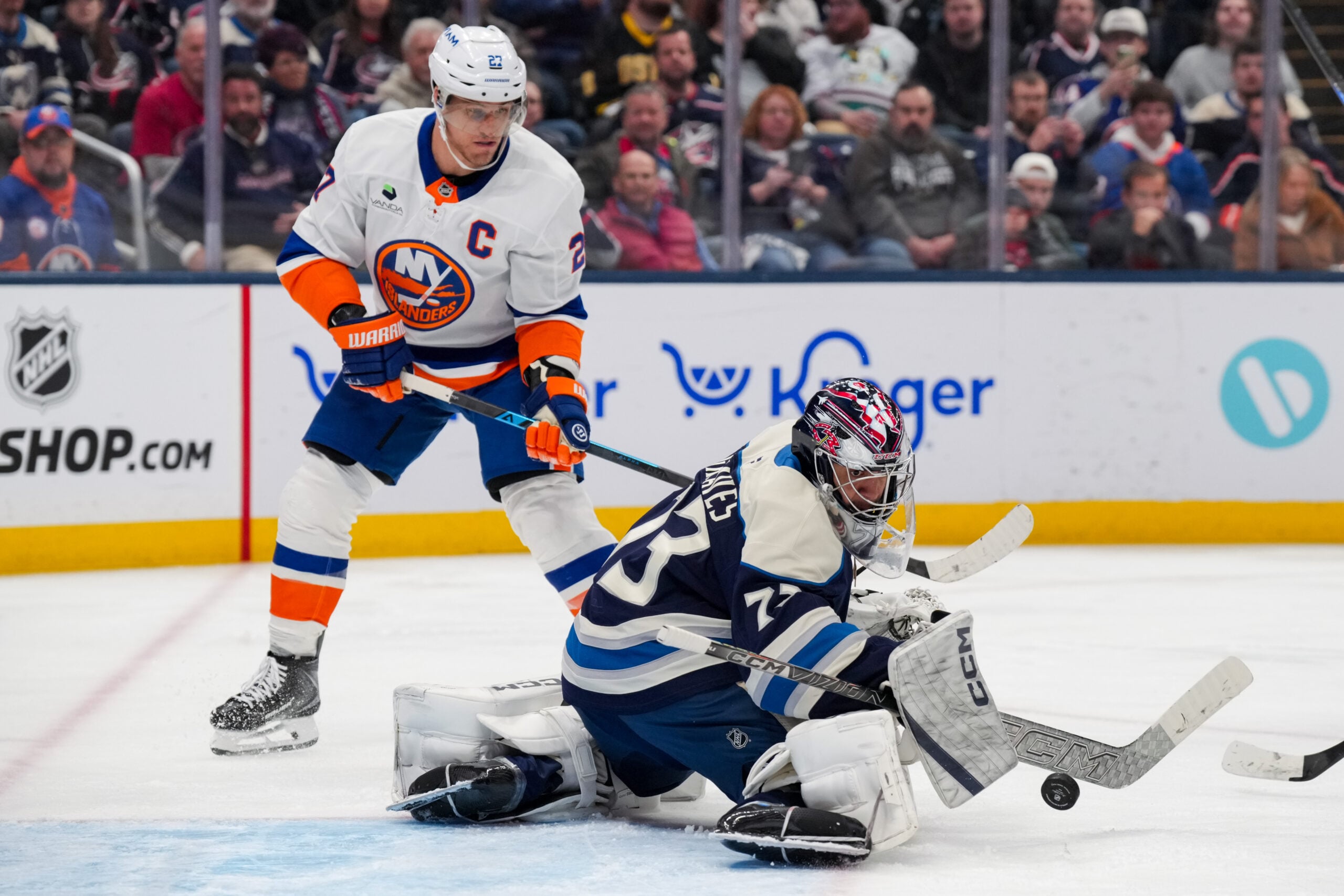
The NHL's offseason churn is producing four distinct narratives with different timelines and risk profiles. Calgary remains the most active seller, with center Morgan Frost available on the block after a 43-point season that has likely maxed his trade value. The Flames face no deadline pressure—teams are willing to wait rather than overpay in July—but holding Frost into the season introduces variance. If he sustains production, rental value increases closer to February. If he regresses, the window to move him tightens. Meanwhile, the Columbus Blue Jackets and goaltender Jet Greaves are headed toward arbitration with a $4.7 million gap separating their positions: Greaves seeking $7.5 million annually, the team countering at $2.8 million.
The arbitration scenario poses genuine relationship risk. Both sides expect to land somewhere in the middle—that's standard negotiation theater—but public submission of a lowball number carries psychological weight, especially in a hearing where third-party adjudicators may articulate reasons why a player hasn't earned his ask. Greaves has posted a .915 save percentage over his young career, which is respectable but not elite. The Blue Jackets have limited leverage with other RFAs unsigned and cap constraints mounting. A bridge deal remains the most likely outcome, but arbitration can damage locker-room trust and complicate future negotiations. The decision to go to a hearing versus settling in the final hours will cascade into contract expectations for subsequent goalie arbitrations.
Pittsburgh's interest in Shane Wright underscores the Penguins' willingness to acquire depth at center, though Seattle's asking price and the team's wait-and-see stance on Jason Robertson in Dallas means no imminent movement. Wright, 22, has been on the market since the trade deadline and remains available; the Kraken are not rushing. Finally, Utah's eight-year, $6.75 million annual extension with John Marino—locked in before the season begins—provides defensive stability and removes a negotiation headache. Utah has signaled Marino as a long-term cornerstone piece on the blue line, a commitment that shapes their cap structure for the next eight years and effectively closes the market on veteran defenseman acquisitions in that tier.
For bettors, the Greaves arbitration is the sharpest edge. Save percentage and goal-stopping consistency are the primary levers driving goalie win probability and team success. If the Blue Jackets' submission leaks as disrespectful or the arbitration goes to a full hearing, Greaves' mental state heading into the 2026-27 season could suppress his performance in the first 10-15 games—a window where goalies under psychological stress often post inflated goals-against rates. Markets typically price goalie performance as a stable, year-over-year proposition, but arbitration-induced friction is an underpriced variable. Columbus's season opener and first month of play should be monitored for soft goals and elevated turnover creation in the defensive zone, both tell-tale signs of a goalie operating with reduced confidence. The Frost trade dynamics carry less immediate prop weight but more season-long volatility: if Calgary keeps him through October, his assists and points will cluster with weak linemates during a full rebuild, depressing individual totals. If he's traded mid-season to a contender, his pace normalizes sharply.
Uta's Marino extension removes a distraction and provides blue-line continuity, a stabilizing force that doesn't move betting markets but reduces organizational friction. The Penguins' Wright inquiry is exploratory and unlikely to materialize before the regular season, so no short-term impact.