Detroit's Larkin Problem Runs Eight Years Deep—and the Salary Cap Just Got Tighter
By Erik Schwartz ·
A front-office restructuring exposes how long organizational dysfunction has festered, reshaping Red Wings asset value and next season's offensive ceiling.
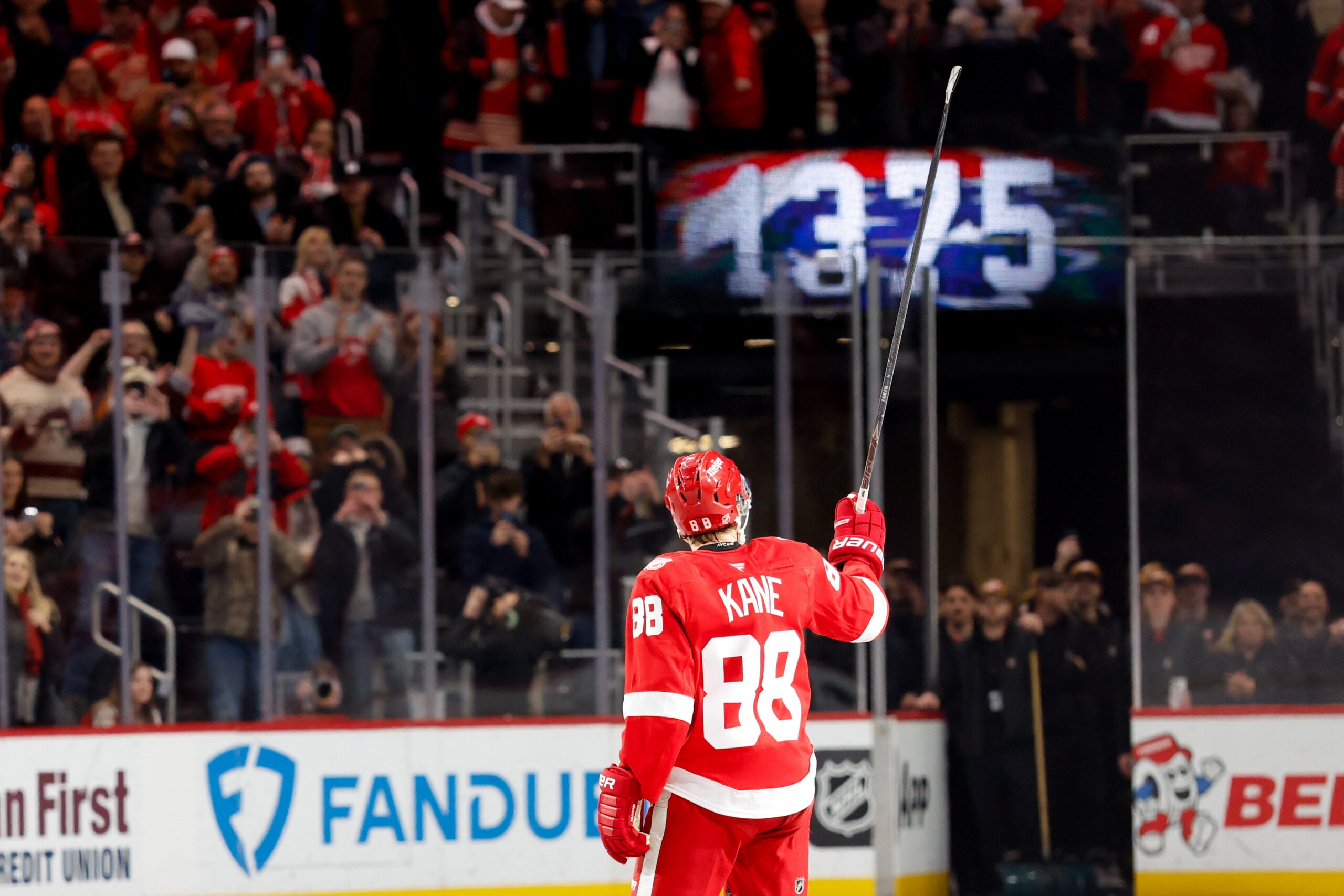
Steve Yzerman's lateral move from general manager to senior advisor signals more than a title change—it marks the formal end of a relationship between Detroit's brass and captain Dylan Larkin that fractured in 2018 and never healed. Larkin's trade request doesn't stem from last deadline's inactivity. It traces to the captaincy vacancy that stretched two years after Henrik Zetterberg's retirement, when Larkin was the consensus choice and Yzerman passed him over. That wound, compounded by inconsistent front-office messaging and perceived neglect, has calcified into something front-office insiders believe cannot be reversed.
The timing compounds the Red Wings' problem. A management overhaul now forces Detroit to either absorb Larkin's $8.7M cap hit and play him out, or field lowball offers from teams sensing internal fracture. Neither option accelerates a rebuild already stalled by mid-tier assets and cap constraints. The organization has spent three years assembling a roster around him—only to discover the captain sees no future there. Any new GM arriving into this mess inherits both Larkin's resentment and the question of whether a fresh voice can reverse eight years of institutional mistrust.
Buffalo's parallel moves—chasing Patrick Kane while simultaneously negotiating Connor Hellebuyck's no-movement clause waiver with Winnipeg—represent the aggressive posturing of a franchise betting on roster completeness. If both acquisitions clear, the Sabres pivot from lottery-adjacent positioning to legitimate Eastern Conference contender within weeks. Kane's free agency is down to Buffalo and Chicago; the emotional pull of Chicago is real, but Buffalo's infrastructure upgrade tilts the scales. Detroit, meanwhile, watches one of its draft cornerstones potentially slip toward a division rival mid-conference call.
For prop purposes, the Larkin situation creates immediate volatility in Red Wings scoring volume. His shot rate, assist rate, and even-strength minutes remain subject to a coaching change or mid-season trade deadline fire-sale. Any under bet on Detroit team totals should account for Larkin's potential exit value and the replacement-level production gap—a 1B center or aging veteran cannot replicate his 17 assists per 82-game pace. Meanwhile, Buffalo's acquisition spree inflates offensive ceiling projections; Kane's historical 0.95 PPG and Hellebuyck's impact on goaltending depth both shift implied win-probability models. Kane's anytime goal prop, in particular, carries edge early in training camp when Vegas hasn't fully priced in his buffalo-specific context (familiarity with Sabres system, playoff-aware roster composition). The public line will anchor to his career average; the reality is that Kane in a win-now setting with an elite goalie backing him up projects 15-20% higher goal volume than his last three seasons.
Edmonton's three-goalie carousel—Andersen at 36 with injury history, Jarry coming off sub-.900 SV%, and rookie Levi unproven—guarantees save and goals-against volatility. No clear starter means workload distribution chaos week-to-week; bettors should fade Oilers goalie props until a hierarchy firms, likely within 10-15 games. Savoie's extension talks remain secondary noise unless he bridges into next spring (at which point contract size inflates). For now, the real action is Detroit's implosion and Buffalo's surge.