Babcock Cleared, Oilers Poised to Reshape Coaching Identity—and That Matters for Their Betting Profile
By Erik Schwartz ·
The NHL's clearance of Mike Babcock opens Edmonton's path to a sixth head coach since McDavid arrived, a leadership reset that rewires offensive structure and defensive discipline.
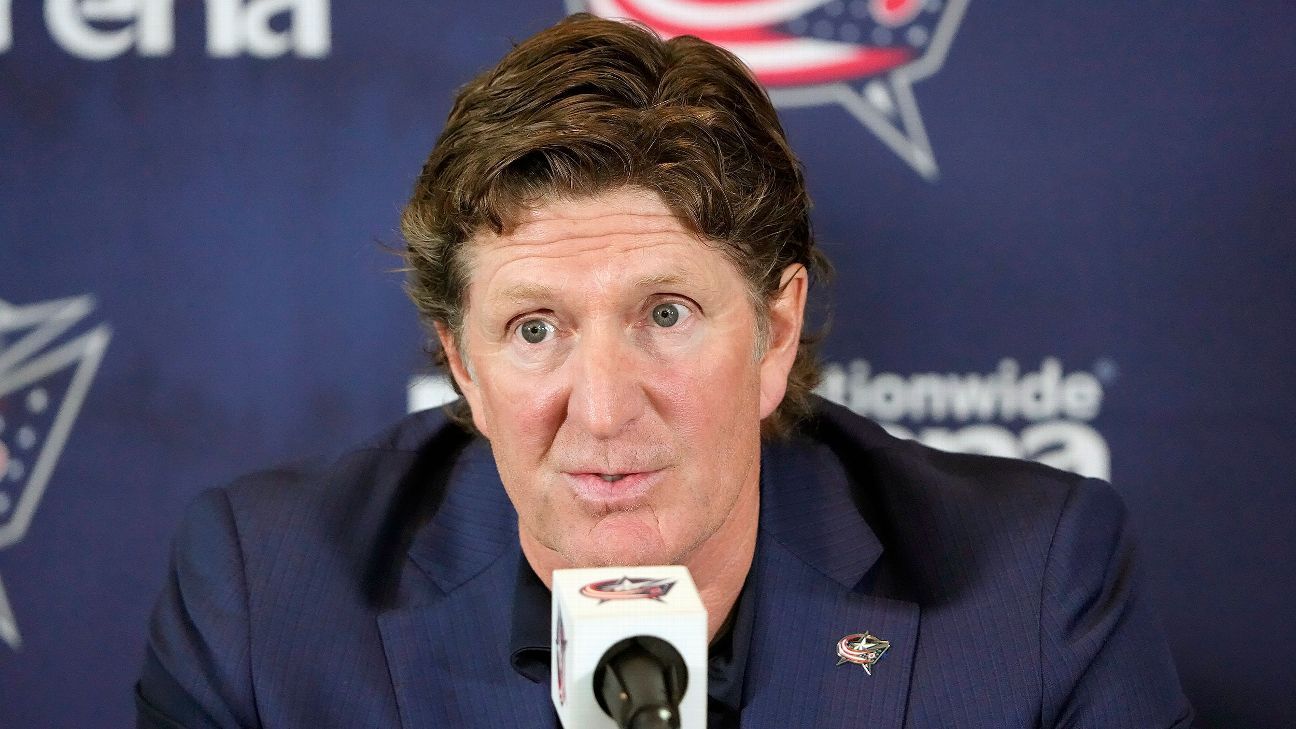
The NHL announced Thursday that Mike Babcock has been cleared to coach again following its investigation into his September 2023 resignation from Columbus, where he lasted less than three months. The league's statement—that even under the most unfavorable interpretation of alleged conduct there is no basis to restrict employment—removes the final regulatory obstacle to the Edmonton Oilers hiring him. Sources confirm the Oilers intend to make the move official, a decision several veteran roster players have supported internally.
Babcock, 63, arrives in Edmonton with 700 games of head-coaching experience across Detroit, Toronto, and Anaheim. He won a Stanley Cup with the Red Wings in 2008 and led Toronto to three consecutive playoff appearances (2017–2019), though those teams never advanced past the first round—a detail that matters when analyzing organizational ceiling under his system. His last bench job ended in November 2019 when Toronto fired him after a 9-10-4 start. The Oilers, meanwhile, dismissed Kris Knoblaugh in May following a first-round loss to Anaheim, marking their sixth coaching change since Connor McDavid entered the league in 2015. That churn is not incidental to Edmonton's playoff underperformance; it signals defensive and structural instability that a veteran hire should theoretically address.
What Babcock's system actually demands matters for how Edmonton performs under power play and even-strength structures. He is a defensive architect first—his Red Wings teams were built on tight gap control and restricted slot access—and a high-volume shot suppressor second. Toronto under Babcock never finished lower than 20th in shots against per game, and his Ducks teams routinely ranked in the top 10 defensively. The Oilers' current roster, built around McDavid and elite offensive talent, has routinely struggled with defensive consistency and has ranked middle-of-the-pack in expected goals against in recent seasons. Babcock's appointment signals Edmonton is prioritizing structure over pure offensive firepower, a philosophical shift that will compress opportunity for high-volume perimeter shooting and conversely reward shot-quality metrics. The team's power-play efficiency may also tighten—Babcock's special teams units are disciplined but not explosive—which could lower their team total in tight games.
From a betting standpoint, this hire creates a near-term volatility spike and a longer-term structural edge. In Babcock's first 20 games with any team, lineup continuity and system absorption typically elevate under-paced play; the Oilers should trade offensive volume for positional discipline. Expect their goals per game to dip initially and their shots against to decline, meaning team unders on their point totals carry edge through the first month of the 2026–27 season (currently projected at 120–125 games). The market will not immediately price the defensive philosophy shift because it'll focus on the McDavid narrative and roster talent. However, once Babcock's system bedding-in completes—roughly 25–30 games in—expect the Oilers to stabilize at a lower-variance, lower-ceiling offensive output than the Knoblaugh era. That recalibration is durable and multi-season, not a single-game anomaly.
The betting edge also extends to shot props and power-play production. McDavid's assist totals may remain elevated (his playmaking will be less system-dependent), but player shots on goal and goal totals for role forwards should regress toward lower volume as Babcock tightens the corral. Any forward outside McDavid and Leon Draisaitl whose line-shot props are priced for the 2025–26 pace should be faded when new lines drop in September. Babcock doesn't lose teams games through bad culture; he wins them through suffocation. That's a long-term edge for disciplined bettors willing to absorb early-season noise.