Bobrovsky at 37: Toronto's All-In Bet on Elite Goaltending in a Compressed Window
By Erik Schwartz ·
The Maple Leafs traded away their young starter to sign a 37-year-old future Hall of Famer—a decision that hinges entirely on whether Bobrovsky can sustain elite performance over the next eight months, not three years.
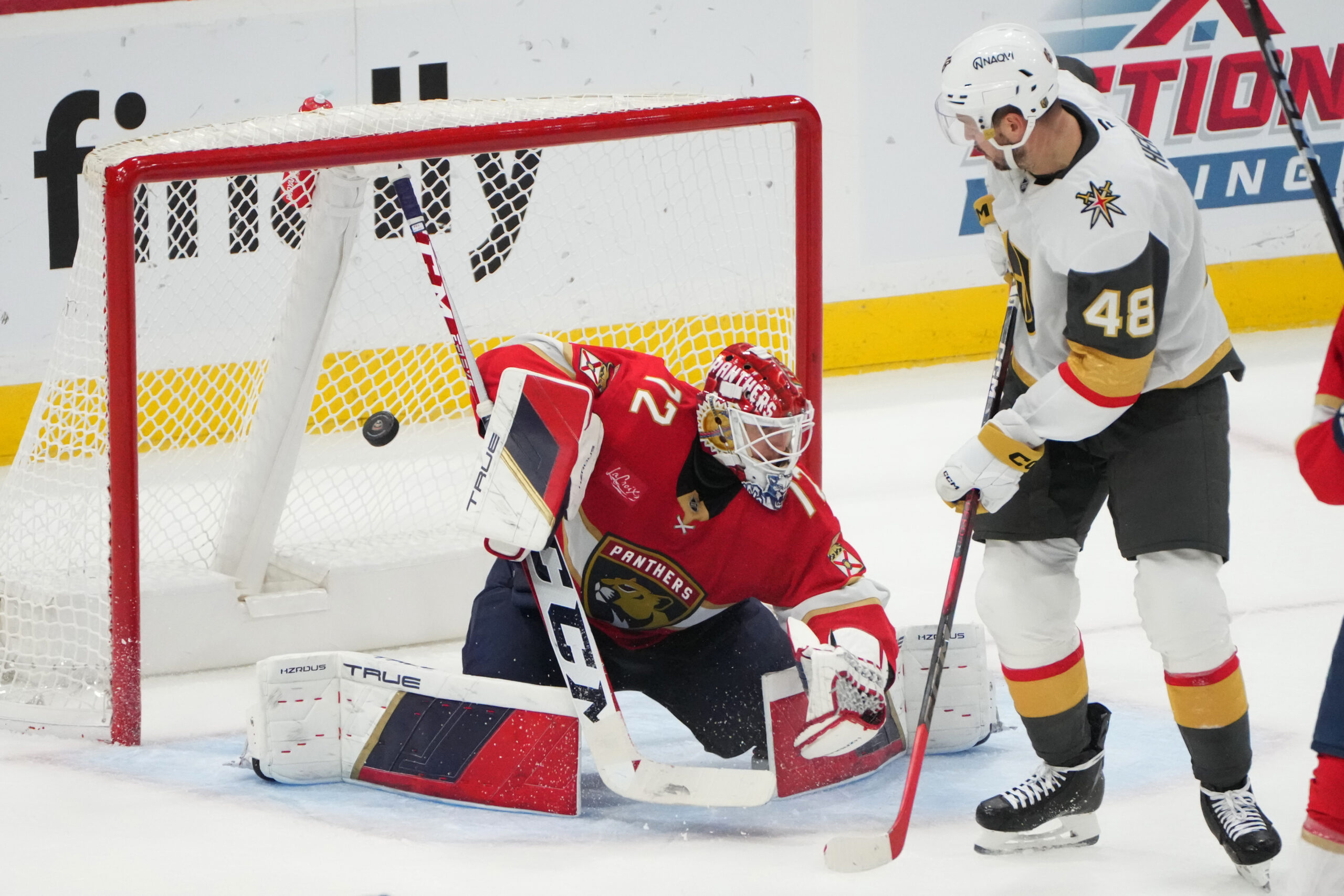
Toronto's front office has made its Stanley Cup timeline explicit. General manager John Chayka moved Joseph Woll to Philadelphia and immediately signed Sergei Bobrovsky to a three-year deal, signaling that the organization is no longer building for sustainability—it's building to win in 2026-27. The roster is structured around Auston Matthews in his prime. The window is open. The calculation is brutal and clean: does Bobrovsky's résumé (two Vezina Trophies, 900+ games, multiple deep playoff runs) translate to elite performance at an age where elite goaltending typically begins to fracture.
Bobrovsky's track record is legitimate. But there's a categorical difference between acquiring a 30-year-old version of any player and betting your Cup run on the 37-year-old version. History shows that decline in elite athletes doesn't arrive gradually—it arrives suddenly. Some players seem immune to age, then falter within a season. Others continue proving skeptics wrong. The path Bobrovsky takes won't be determined by his previous accomplishments. It will be determined by what unfolds in front of the net from October through April, then into June.
This is where the Bobrovsky signing becomes analytically interesting. Chayka is not hedging his bet—he's doubling down on immediate performance. The gamble assumes Bobrovsky maintains or approaches the save percentages and goals-against average that made him elite in Florida during the 2024-25 season. If he does, the Maple Leafs get the goaltending they need for a legitimate Cup run. If Father Time wins the argument—even slightly—a deteriorating save percentage compounds across 82 games and becomes a structural liability that no forward group can overcome in the playoffs.
For prop bettors, this creates a sharp dividing line. A goaltender's age-curve volatility at 37 is enormous. Bobrovsky's season-long save percentage will almost certainly fall somewhere in a wide range (anywhere from .905 to .925 is plausible given his history and age). The market will likely price his team totals and over/under lines assuming a modest decline from his Florida performance, but not a cliff. If Bobrovsky posts an elite .920+ save percentage, unders on Toronto's goals-against total and totals in general will face headwinds. If he dips to .905, the Leafs' margin for error in high-leverage games vanishes. The sharper angle: monitor his early-season performance (first 15-20 games) for signs of which trajectory he's on. A save percentage above .920 in October suggests the bet is alive; anything below .910 signals the decline is real and bets against Toronto's defensive efficiency should tighten.
The Maple Leafs have consciously chosen performance over process. That's a valid organizational decision in a compressed window. But it's also a decision with binary outcomes for bettors: Bobrovsky sustains elite-level goaltending and becomes a hidden edge in Toronto's favor, or he doesn't and becomes the silent reason why another playoff run ends early.