MacFarland's Exit Opens Avalanche GM Search—and a Roster Volatility Window
By Erik Schwartz ·
Colorado's decision to let Nashville hire its Presidents' Trophy-winning architect signals organizational stability, but the GM transition creates short-term unpredictability in roster construction that matters for season-long prop exposure.
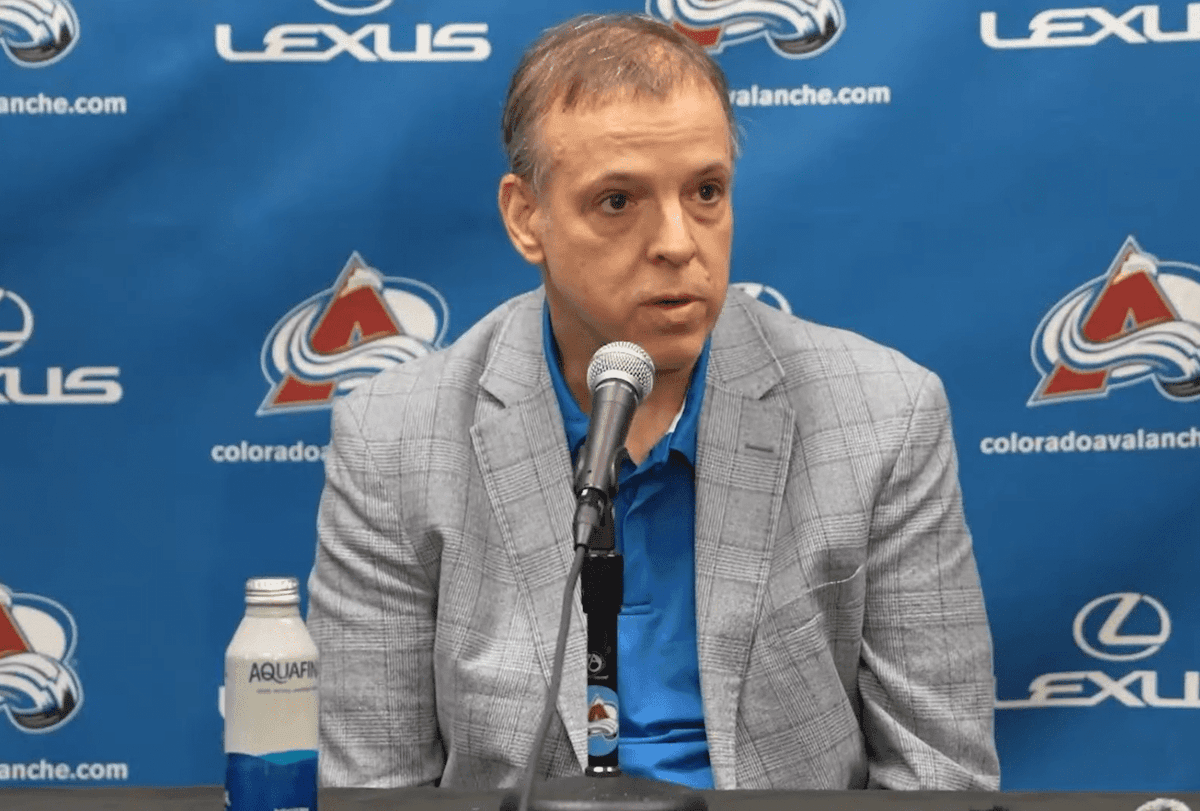
Chris MacFarland is Nashville's new general manager after leading Colorado to the Presidents' Trophy in 2025-26, and the Avalanche granted permission for the interview—a choice that carries weight in league circles. The move appears straightforward on its surface: a proven executive gets promoted, the hiring team respects the protocol. But the decision to release MacFarland without resistance reveals something about Colorado's confidence in its organizational depth and, more importantly, signals potential turbulence ahead in how the Avalanche manage their roster.
MacFarland built the 2025-26 Avalanche through calculated moves: acquisitions, contract management, and depth construction that maximized their elite core of forwards. His fingerprints are all over the roster's salary-cap efficiency and youth development. When a GM of that caliber departs, the new hire doesn't simply inherit a frozen asset—they inherit a set of decisions they may not have made themselves. Colorado's ownership and Joe Sakic, in an advisory capacity, now face the GM search at the worst possible time: mid-June, when other teams have already locked in their candidates and the market for available talent is thin. The reporting suggests Sakic and the Avalanche may target someone like Ryan Martin or explore past connections (Brandon Pridham was floated), but those are educated guesses, not certainties.
For bettors, this matters more than it initially appears. A new GM typically spends 90 days assessing the roster before making trades or significant signings. During that window, Colorado's trade value for depth pieces becomes ambiguous—nobody knows if the new hire views a mid-tier defenseman or fourth-line forward as expendable or essential. That ambiguity depresses the Avalanche's midseason flexibility and inflates injury risk, since the team can't as quickly patch gaps. More directly: roster turnover and coaching staff integration with a new front-office voice can suppress team total point pace over the first 20-30 games of 2026-27, even if the core remains intact.
Colorado's team total for next season (if priced near last year's pace) carries elevated risk in the opening month. The Avalanche will likely remain a strong team—the talent doesn't evaporate with a GM change—but the transition window creates variance that the market may not have fully priced into preseason projections. A new GM also means new evaluation priorities in the draft, which can shift how Colorado approaches depth signings and waiver-wire pickups. If you're considering season-long overs on Avalanche team totals, waiting until November makes more sense than locking in a price now. The organizational clarity will have settled by then, and you'll have actual data on how the new hire operates.
The flip side: MacFarland's departure does not destabilize the core. Nathan MacKinnon, Artemi Panarin, and the goaltending continuity remain unchanged. Player-level props for the elite forwards should remain durable; it's the team-infrastructure bets and depth-dependent angles that face volatility. If Nashville's front office handles the transition professionally (and there's no evidence they won't), the Avalanche will stabilize faster than the market prices in. That's a contrarian fade window for anyone tempted by early overs on Colorado's total loss count or +spread pricing in October.