Montreal's 2026 Run Isn't 2010: Sustainable Core Changes Goalie Value
By Ty Whitney ·
The Canadiens' Eastern Conference Finals appearance mirrors 2010's magic but masks a structural divergence—one built to last, which reframes how to price Jakub Dobes' playoff workload and save volume going forward.
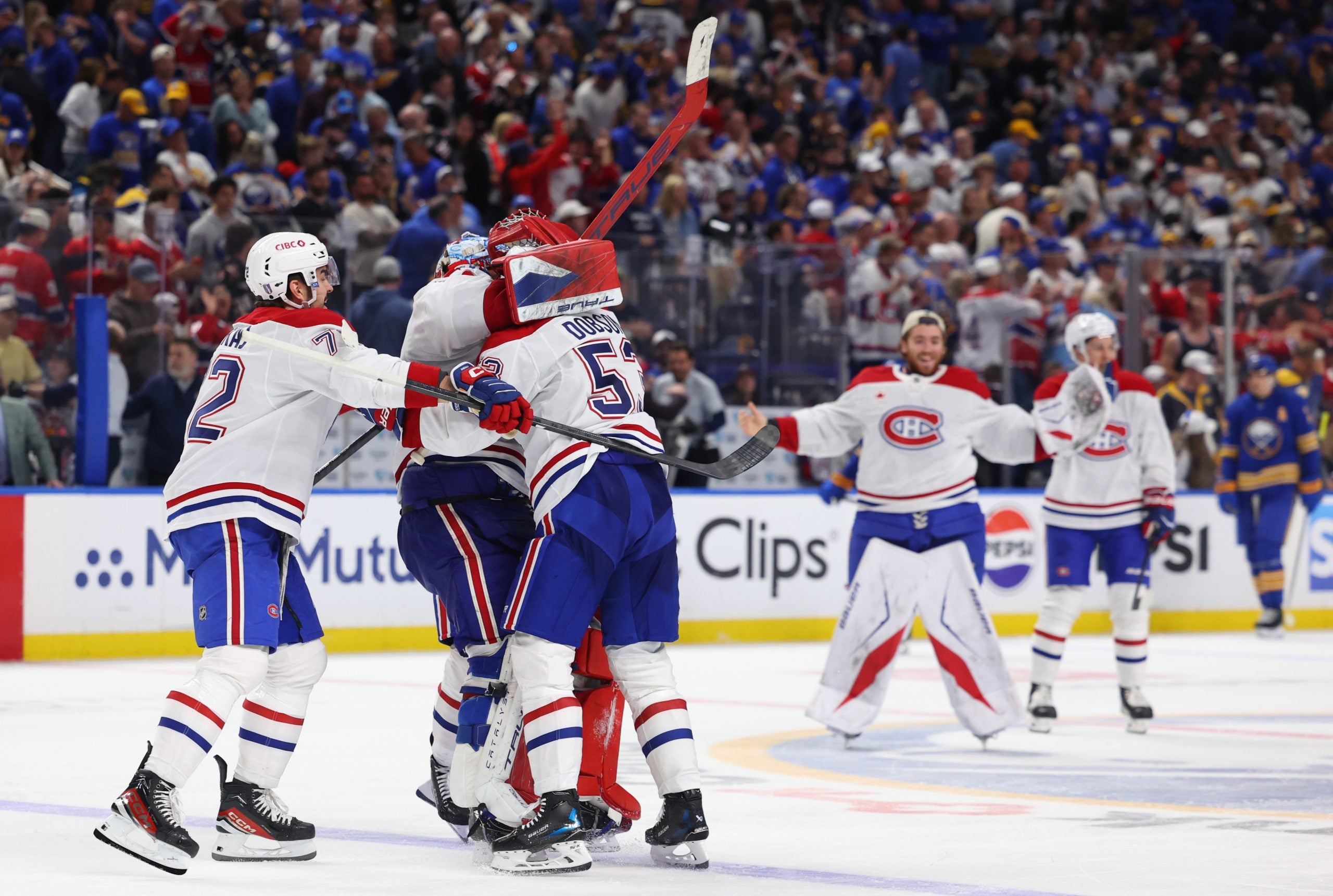
Montreal's 2026 playoff run has summoned ghosts of 2010, when Jaroslav Halak's 1.97 goals-against average carried a mercenary roster to the Eastern Conference Finals. The Bell Centre crowds are identical in volume; the rosters are not. Where Bob Gainey's 2010 team was constructed through panic-driven veteran acquisitions—Michael Cammalleri, Brian Gionta, Scott Gomez, Hal Gill—Kent Hughes' current Canadiens were assembled through a deliberate, multi-year draft-and-develop framework that prioritized long-term structural integrity over immediate contention.
The operational philosophy gap matters more than nostalgia might suggest. The 2010 roster was architecture built to collapse; expensive rentals and aging blue-liners could sustain a hot streak but had no sustainability mechanism. Once Halak cooled or the veterans aged further, the team regressed to lottery territory. The 2026 version features an elite, homegrown offensive core supplemented by puck-moving defensemen developed through the system rather than acquired at deadline. This isn't a one-season phenomenon—it's the first payoff from a rebuild that began in 2022.
For Jakub Dobes, the distinction is critical. At 25 years old on his birthday during Game 4, Dobes represents the continuity the organization has been architecting. Unlike Halak, who was thrust into the spotlight by organizational desperation and unsustainable team construction, Dobes is the target outcome of a patient development process. His playoff workload and ask will be fundamentally different: Halak posted a .920 save percentage in 2010 partly because the team in front of him was overmatched defensively; Dobes operates within a framework designed to support the goaltender through structural advantage rather than individual heroics.
The betting implication is direct: Dobes' playoff save percentage and shots-against totals should stabilize at more sustainable levels than Halak's 2010 numbers, which were inflated by organizational dysfunction. If the team's offense-first, draft-heavy core generates consistent scoring volume, the goaltender faces fewer home-run expectations and lower variance in performance. His saves total over a seven-game series should price closer to his regular-season average (likely 25–32 depending on opponent pace) rather than spike toward 35+ in desperation scenarios. The 2010 Cinderella narrative was won on unsustainable goaltending; 2026's narrative is powered by a resilient roster that doesn't require a .930+ season to advance.
Market prices may anchor Dobes' postseason line to Halak's 2010 template—high save totals, elevated volatility expectations—because the symbolic connection sells tickets and narratives. But the structural gap between a mercenary 2010 roster and a sustainable 2026 core argues for moderation on goaltender volume props. Expect Dobes to be effective without needing to carry unsustainable workloads; that's the entire thesis of this rebuild.