NHL · transaction
Montreal's Unsigned Depth Creates a Roster Clarity Problem—and a Lineup Volatility Bet
With Bolduc and Xhekaj still unsigned as training camp approaches, the Canadiens' flexibility masks a strategic ambiguity that will ripple through depth-dependent prop markets.
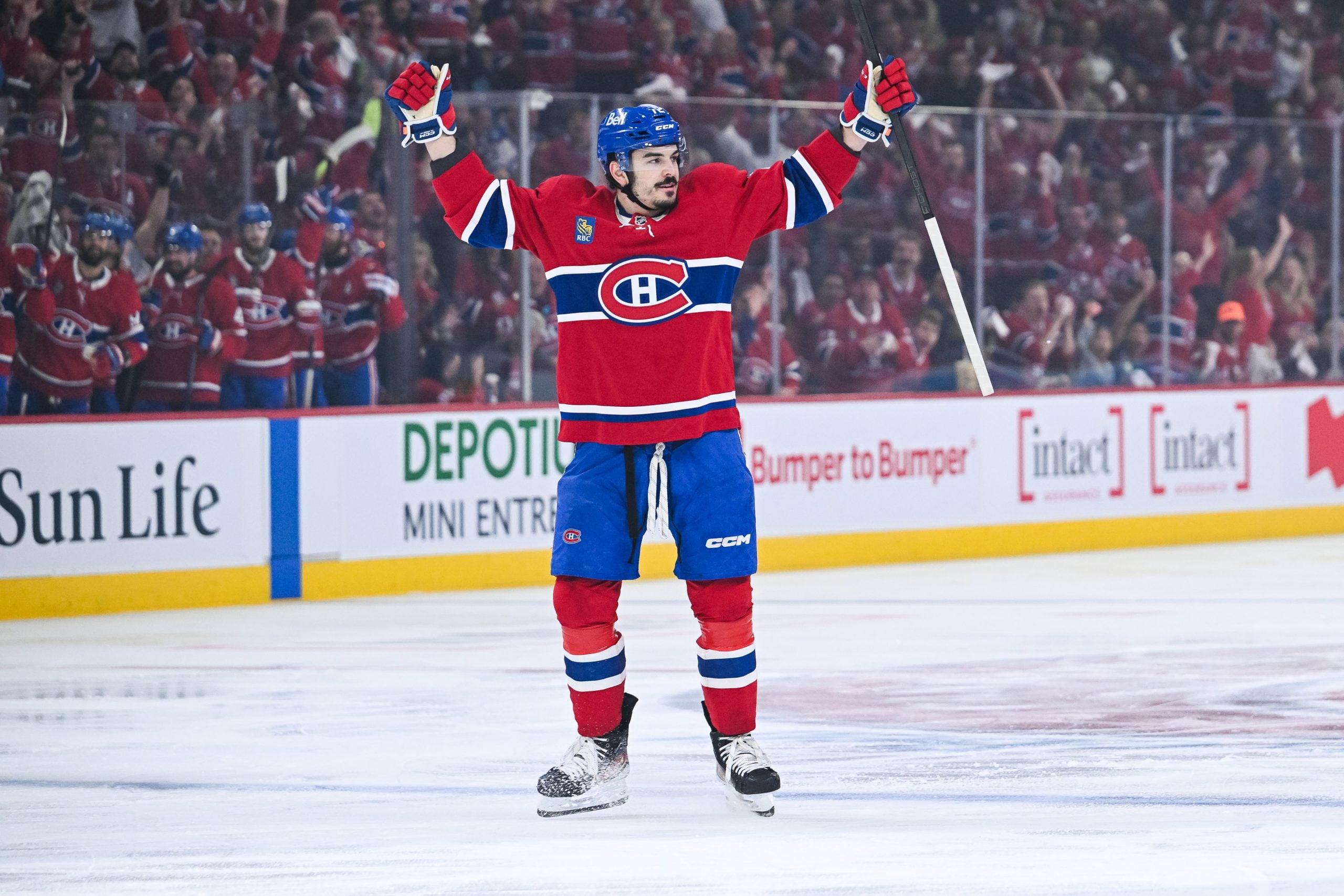
The Montreal Canadiens have cap space and no deadline pressure, yet two restricted free agents—forward Zachary Bolduc and defenseman Arber Xhekaj—remain unsigned with training camp days away. On its surface, this is routine RFA noise; across the league, six players are still in limbo, and the Canadiens aren't facing the squeeze of a cap-strapped outfit like Anaheim. But the delay signals something more meaningful: organizational uncertainty about both players' roles, and that uncertainty will directly shape lineup construction and usage patterns through October and November.
Bolduc's situation is the clearer case. In 2025–26, he averaged 13:38 of ice time—fewer minutes than nearly every other regular forward on Montreal's roster, below even third- and fourth-line staples. He has two full NHL seasons, intriguing upside, but no established scoring track record or fourth-line cement role. A bridge deal—two years at modest AAV—makes structural sense. Xhekaj presents a murkier picture. He's established a physical identity but operates as a sixth or seventh defenseman in a pipeline crowded with younger blue-liners. The Canadiens' reluctance to commit long-term isn't cap-driven; it's organizational hesitation about his depth ranking and ceiling.
When contract talks drag this close to camp, it often reflects valuation gaps, not financial constraints. Either Hughes and the Canadiens are offering numbers the agents believe undervalue their clients, or the players are demanding commitments Montreal views as premature. Neither scenario ends in a handshake two days before puck drop. The risk isn't that these deals won't get done—they will—but that they'll land on one-year prove-it terms, leaving both players volatile roster commodities. A one-year deal for Bolduc means any drop in usage or scoring will trigger a buyout conversation in July 2027. The same applies to Xhekaj: a year of defensive inconsistency and he's exposed in the summer market, not entrenched.
For bettors, this matters directly. Unsigned players in late-stage talks often start camp in limited roles while teams manage uncertainty—they're eased in rather than plugged into power-play units or primary lineups. Bolduc's ice-time props (currently unpublished but likely under 14:00 for September games) carry elevated downside risk if he enters camp on a one-year deal; he'll need to prove value before earning 16-minute nights. Xhekaj's blocked-shots total will depend entirely on whether he cracks the regular rotation or languishes in a sixth-defenseman role, a decision the unsigned status suggests remains unsettled. If Montreal's contract talks extend through training camp itself, expect cautious deployment through the first two weeks of the season.
The broader takeaway: unsigned depth players rarely see immediate usage ramps. They either prove quickly and force their way in, or they sit and atrophy. Hughes has flexibility, but flexibility can also mask indecision. Watch the opener's lineup card closely. If Bolduc and Xhekaj are still dancing with unsigned tags heading into game week, bet against their individual prop overs for the first 7–10 games of the season. The market will price them as full contributors; Montreal's hesitation suggests they'll deploy them as insurance policies first.