Babcock Gets Second Chance in Edmonton—But the Oilers' Goaltending Problem Won't Coach Away
By Erik Schwartz ·
Mike Babcock's NHL clearance opens the door for Edmonton, yet his appointment masks a roster-construction crisis that no hired hand can fix mid-window.
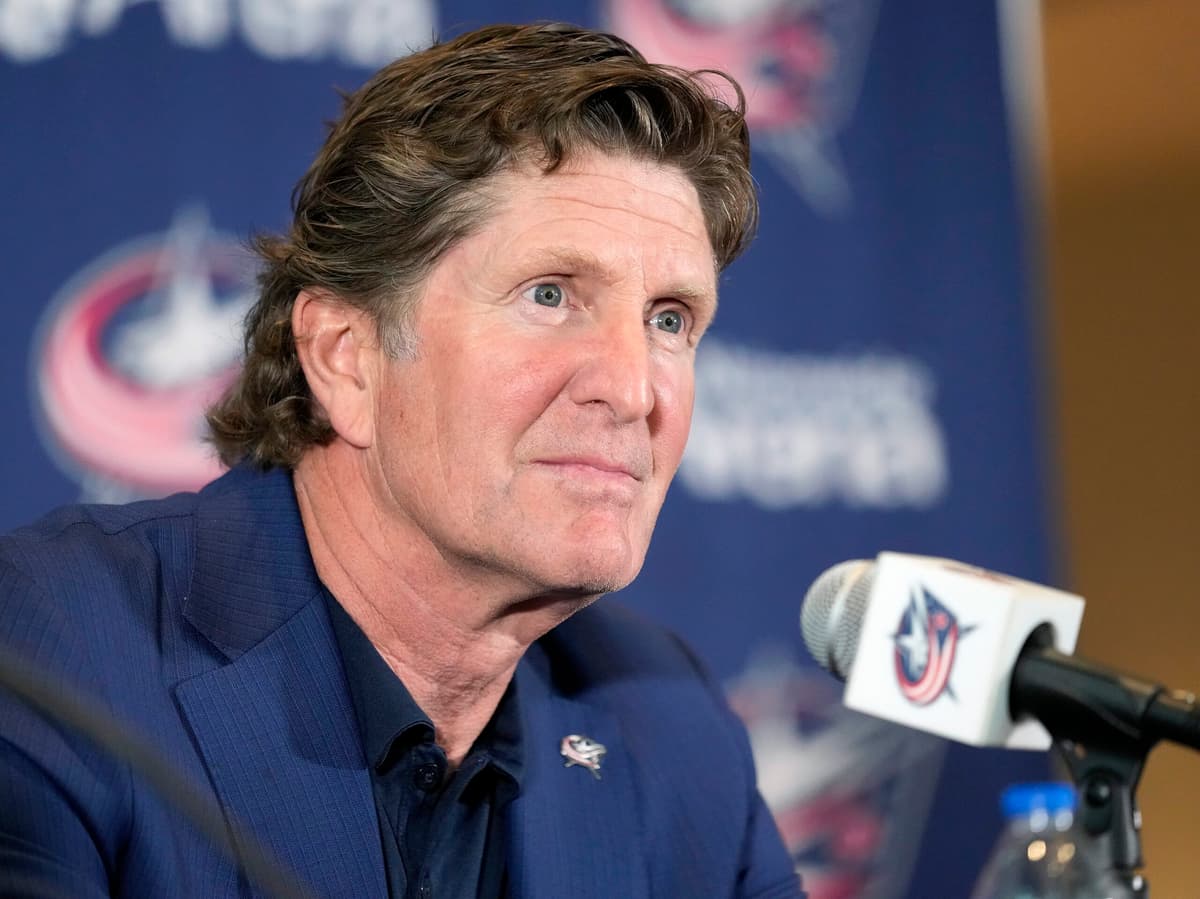
Edmonton has hired Mike Babcock as head coach, ending the former Detroit, Toronto, and Anaheim bench boss's exile from the NHL. The Oilers' interest in Babcock triggered an investigation into his 2023 Columbus resignation; that review concluded today, clearing him to return. The gamble is transparent: a franchise in its championship window with Connor McDavid and Leon Draisaitl aboard assumes that a Hall of Famer's pedigree—four Stanley Cup Finals trips, two rings in Detroit—can extract marginal gains from a roster that has underperformed relative to its ceiling.
But the mechanics beneath this hire reveal the real problem. The Oilers' goaltending is structurally broken. Connor Ingram, the incumbent, has shown flashes but carries career .909 save percentage across 40+ games. Tristan Jarry, acquired to compete for the crease, posted a .901 SV% this past season and recorded only a .908 mark over his entire career—both well below the .915 threshold needed for contention. Neither is a bell-cow starter. Babcock's reputation is built on tactical flexibility and detail work with defensive structures, not on rehabilitating marginal goaltenders into elite performers. A coach cannot manufacture a .920 SV% from a .905 talent.
The statistical reality is unforgiving. Teams that won the Cup since 2015 averaged .915+ SV% from their starters; Edmonton's tandem will limp into 2026-27 expecting Babcock to solve problems that require a trade or a rookie breakout—events outside any coach's control. His deployment of Ingram versus Jarry, his systems adjustments, his power-play architecture—all matter. None of it bridges a 15-basis-point goaltending gap in a league where one additional goal allowed per 50 games translates to 4-6 fewer wins over a season. That's a playoff seeding issue. That's a first-round exit risk.
For bettors, the hire creates a false consensus. The Oilers open 2026-27 as favorites in the Pacific, driven by McDavid's brilliance and the assumption that Babcock's arrival unlocks untapped depth. The market will likely overweight the coaching narrative and underweight the goaltending ceiling. Look to fade Oilers team totals (goals, points per game) in the first 15 games of the season—not because Babcock can't adjust, but because the offensive firepower obscures the defensive fragility that will emerge once schedules normalize. A .910 SV% paired with McDavid's 2.0 points per game is still a .500 pace in a tight league. The hiring solves optics. It doesn't solve win probability.