Colorado's Defensive Collapse in Game 3 Signals Real Structural Problems, Not Just Injury Excuses
By Erik Schwartz ·
The Avalanche's 5-3 reversal against Vegas exposed coaching and discipline gaps that persist even when MacKinnon and Makar are in the lineup—and that matters for how they perform under pressure going forward.
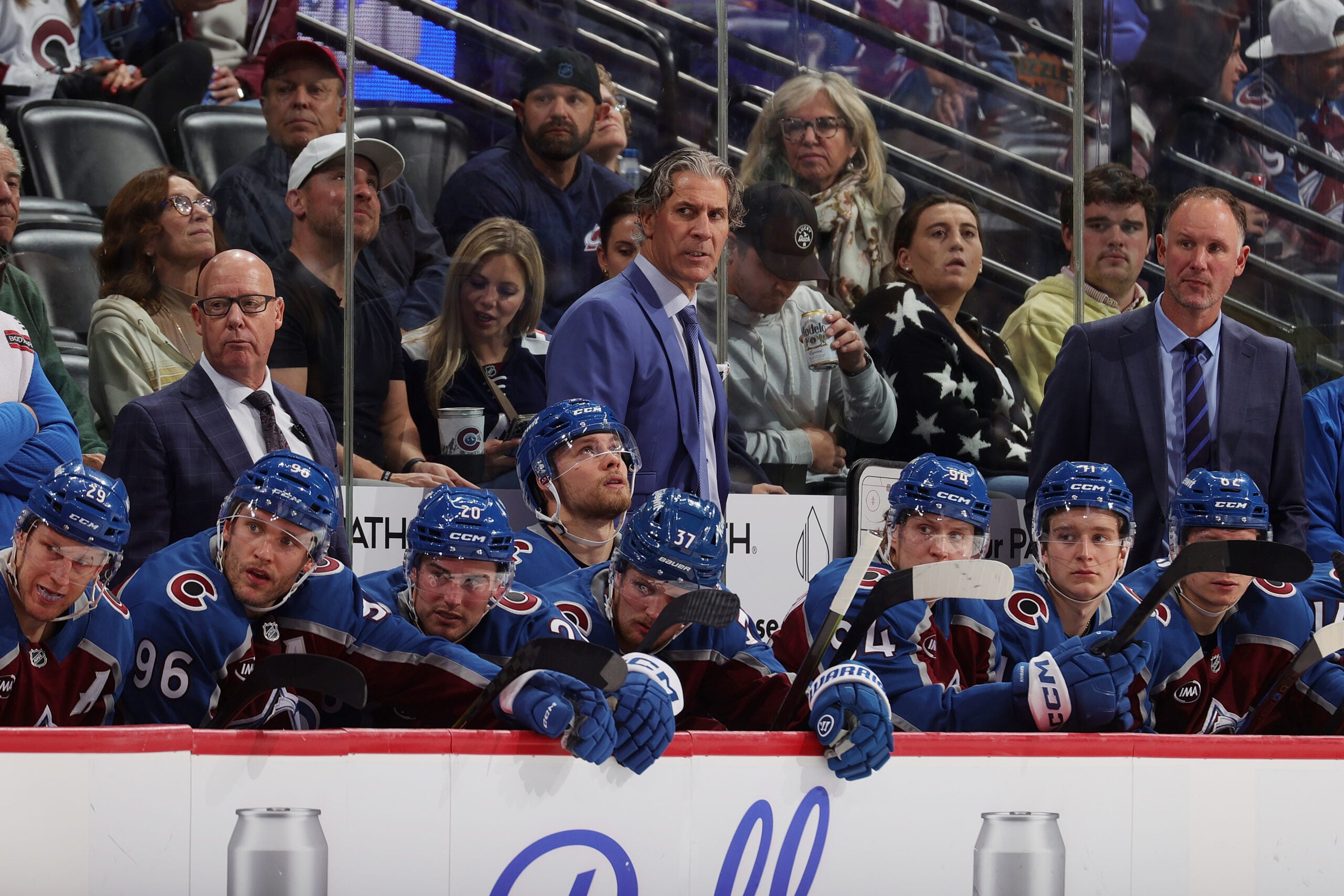
Colorado entered the Western Conference Final as Cup favorites, having lost just one game through two rounds. They hold elite talent in Nathan MacKinnon, Cale Makar, and Mikko Rantanen. Yet heading into Game 4, Vegas has them on the brink of a sweep. The narrative is already calcifying: injuries (Makar playing hurt, MacKinnon battling issues) explain the collapse. That framing is incomplete and misses the operative breakdown.
Game 3 is the diagnostic. Colorado built a 3-0 lead at home and controlled the game through two periods. Then Vegas scored five straight—not off the rush or through elite offensive creation, but by imposing structural discipline that the Avalanche could not absorb. Vegas simplified, pressured high, and forced Colorado into reactive play. More damning: when the Golden Knights clawed back to 3-3, Colorado never regrouped. They kept forcing—risky passes, overextended positioning—while Tortorella's system tightened. That is a coaching and composure problem, not an injury problem. MacKinnon and Makar were in the game during the collapse. The issue was not availability; it was decision-making under momentum shift.
This pattern—controlling early, unraveling when an opponent adjusts—has tracked Colorado all series. Vegas' structure forces Colorado into uncomfortable, low-skill situations. Bednar's adjustments have not materialized at the speed or intensity Tortorella's team operates. Championship coaches neutralize pressure; Bednar's team has looked increasingly disorganized when it arrives. Even injury-compromised stars should not fold that completely against defensive pressure. They have.
For prop bettors, this matters for future Vegas matchups and any Colorado series likelihood pricing. The Avalanche's offensive shot volume (they've generated looks) has not translated to finish-rate consistency because their decision-making tightens under Vegas' system. In Game 4, expect Vegas' defense to compress lanes further. Colorado's assists per game and secondary scoring (not just MacKinnon/Makar points) will likely dip again because the team is not converting space into high-danger chances—they're being turned into low-percentage attempts. Bet shot totals cautiously on Colorado; the volume will be there, but conversion is fragile. Vegas' defensive structure is systematically shutting down Colorado's playmaking rhythm, not their leg strength. That is durable across game samples and persists even when Colorado's stars play.