Colorado's Forecheck Is Suffocating Quinn Hughes — and the Wild's Entire Playoff Hopes
By Erik Schwartz ·
When the best defenseman on your team is being turned into a liability, you don't have a series — you have a countdown.
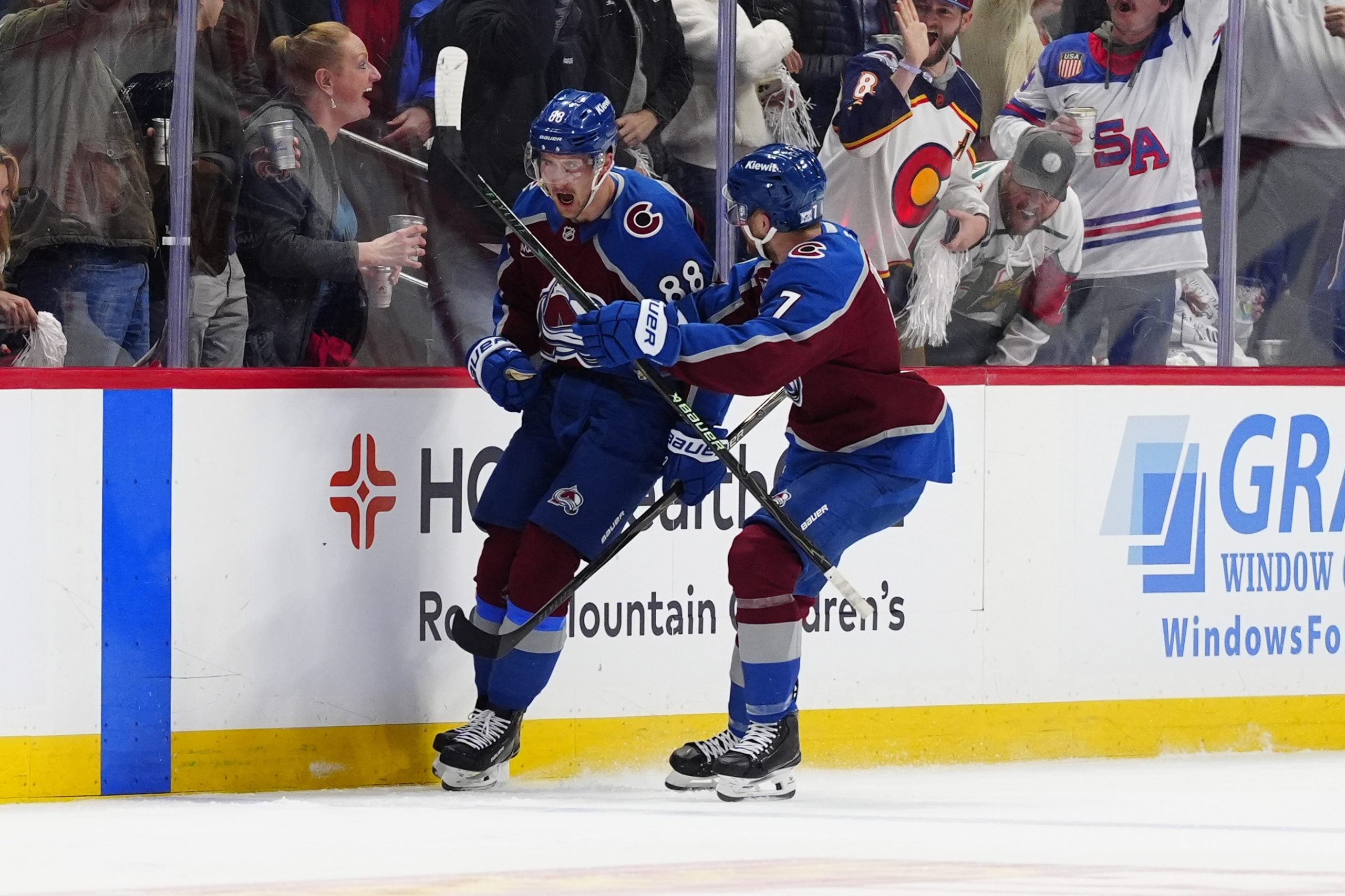
The Colorado Avalanche lead Minnesota 2-0 in their second-round series, and as The Hockey Writers detailed, the margin isn't just about talent — it's about a deliberate, relentless forecheck designed specifically to neutralize Quinn Hughes. Colorado took both games in Denver convincingly, including a 5-2 win in Game 2, and the series now shifts to St. Paul with the Wild's backs against the wall.
Hughes is the engine of Minnesota's operation. Acquired at the trade deadline, he logs close to 30 minutes of ice time per night, quarterbacks the power play, and generates offense at a rate that few blueliners in the league can match. In Game 1, he posted a goal and two assists — numbers that look fine on a box score but masked something more damaging underneath: three giveaways, each one a direct product of Avalanche forwards getting into his kitchen the moment he touched the puck in his own zone. Colorado isn't just forechecking — they're forechecking at Hughes, timing their pressure to force him into compressed windows where even elite processing speed isn't enough.
The Wild's injury situation compounds the problem. Jonas Brodin, a quietly essential shutdown defender, has been sidelined, forcing Jake Middleton into top-four minutes he's not built to sustain. Joel Eriksson-Ek returns for Game 3, which helps Minnesota's bottom-six structure and penalty kill, but it doesn't solve the core issue: the Wild have no viable answer to Colorado's forecheck scheme, and until they find one, Hughes will keep absorbing pressure that bleeds into turnovers and broken zone exits. Cale Makar, meanwhile, has faced none of the same friction — a two-way disparity that tells you everything about which team is dictating terms.
From a props standpoint, the forecheck dynamic cuts directly into Hughes's assist and points production going forward. He put up three points in Game 1 under pressure — that's unlikely to repeat. When a playmaking defenseman is being forced into quick-release decisions rather than his preferred read-and-distribute game, his assist numbers regress hard. Hughes's assists and points props deserve significant scrutiny for Game 3, especially if the number is set around his series average. On the Colorado side, the forecheck that creates turnovers also creates transition offense — watch Makar's shots-on-goal total, which should remain elevated as Colorado generates extended offensive-zone time off Minnesota's failed breakouts.
Broader team-total context also leans Colorado. The Avalanche have scored five or more in each of the first two games, and until Minnesota demonstrates it can move the puck cleanly against this forecheck — something they have not done yet — there's no structural reason to expect that to change in Game 3. The Wild playing at home adds emotional intensity, but emotion doesn't fix zone-exit breakdowns.