Vegas Closes In on Elimination; Injury Questions Cloud Game 4 Value
By Erik Schwartz ·
Colorado faces extinction at 3-0 down with Makar and MacKinnon uncertain; the matchup's scoring pattern holds a clearer edge than the lopsided moneyline.
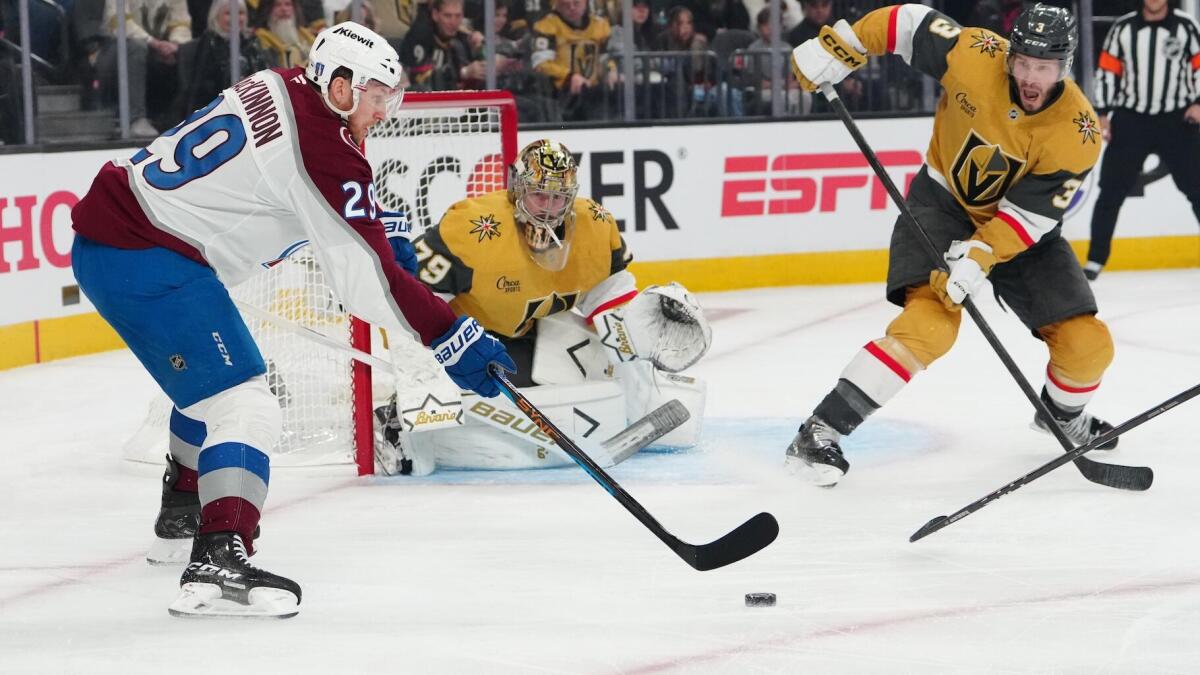
Vegas pushed Colorado to the brink with a stunning three-goal comeback in Game 3, winning 5-3 to reach a 3-0 series lead with one more win required to eliminate the Avalanche. The timing matters: no NHL team has ever clawed back from 0-3 in the conference finals (0-49 historically), making Game 4 effectively a must-win for Colorado despite the long odds. But the Avalanche roster is fractured heading into Las Vegas. Cale Makar and Nathan MacKinnon, the team's two engine blocks, are both questionable—Makar with an undisclosed injury, MacKinnon with a knee issue. Even if both play, neither has confirmed full health, and the market hasn't fully priced the depth of Colorado's lineup stress.
The moneyline tells a story of desperation discount: Colorado sits at -115 (chalk for a team facing elimination on enemy ice), while Vegas is -105. That's the market's way of saying "Colorado's star power alone might pull an upset." But the edge isn't there. Vegas, now playing with the series in hand, has momentum, a rested goaltender from the Game 3 win, and the home crowd. More important, the 0-49 historical weight on Colorado's shoulders is real psychology—teams facing elimination in the conference finals don't just climb back; they typically don't climb back at all. Colorado's moneyline is priced for a narrative comeback, not a statistical reality.
The real action is on the total. Both teams rank among the NHL's three highest-scoring playoff performers, each averaging 3.64 goals per game in this postseason run. Neither excels defensively—save percentages and goals-against averages sit outside the top tier—which creates a structural mismatch favoring volume offense. Vegas has won Game 3 and will have fresh legs; Colorado will be chasing and playing without full personnel confidence. When teams play desperate while dealing with injury uncertainty, they often abandon structure in favor of high-volume shooting. The model projects 6.5 combined goals, making the 6-goal total an undervalue. Five of Colorado's last six road matchups against Vegas have played Over, a sample that includes teams with different rosters but the same core dynamic: these franchises don't play tight defensive hockey against each other.
Injury opacity is the wrinkle here. If MacKinnon and Makar both sit, Colorado's scoring drops materially—the Over thesis weakens because fewer elite shot-creators means fewer Grade-A chances, even if pace remains high. If both play, even at 70% health, the volume story holds. The market has priced Colorado's survival hopes into the moneyline but hasn't fully adjusted the total for the probability that both teams keep shooting regardless of health status. The sharper angle is to wait for injury confirmations 30 minutes before puck drop, then lean Over if either star plays, or fade the total if both are out.