Colorado Stabilizes Defense Core as Sakic Charts Roster Ruthlessness
By Ty Whitney ·
The Avalanche re-sign Kulak and Burns while trading away cap ballast, signaling a team willing to shed offensive depth to anchor their blue line.
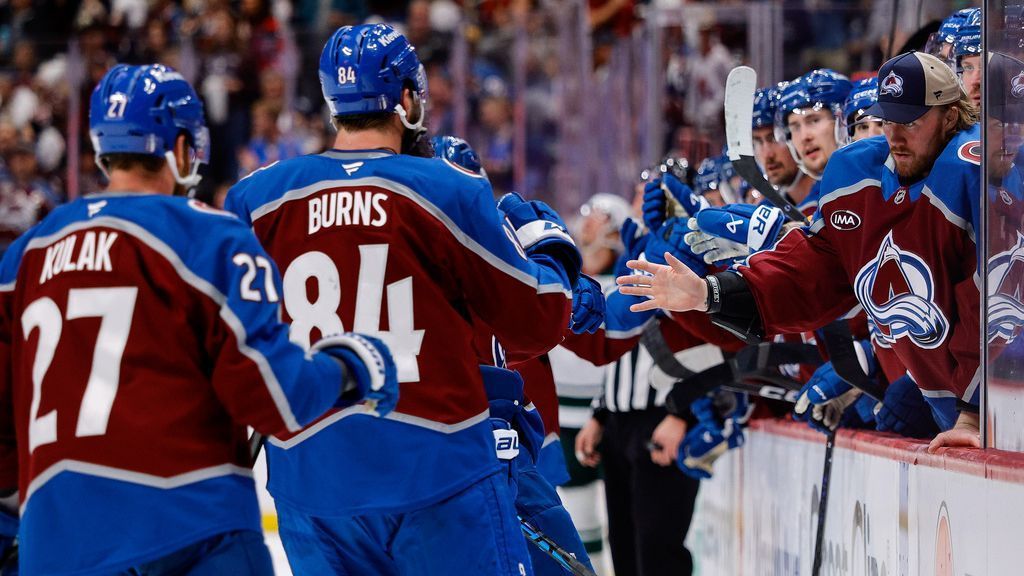
The Colorado Avalanche locked in Brett Kulak and Brent Burns on Friday, answering the offseason's loudest question about their defensive architecture. Kulak inked a five-year deal at $4.5 million annually; Burns returns on a one-year contract worth $850,000 with performance bonuses reaching $2 million. The moves cap a week of executive aggression—Joe Sakic, the team president who doubled back into GM duties, orchestrated trades of Ross Colton (June 16 to Nashville) and Valeri Nichushkin (Thursday to Columbus) to clear the cap runway these signings demanded.
Kulak's anchor matters more than his salary suggests. Acquired mid-season from Pittsburgh, the 6-foot-2 defenseman logged 19:08 per game in 27 regular-season contests and 20:37 in the playoffs—deployment that signals Colorado views him as a core penalty-killer and possession anchors alongside Cale Makar and Devon Toews. Burns, at 41 years old and still chasing a first Cup, maintained elite workload despite his age: 12 goals, 35 points, 18:52 per game across 82 contests, plus four points at 18:09 per game during the postseason run. The Iron Man's output and deployment contradict any notion the Avalanche view him as a fading asset; instead, they're banking on his two-way stability as the team attempts to rebound from a Presidents' Trophy season ended by a second-round Vegas sweep.
The moves reveal sharper truths about Colorado's cap realities and forward-group devaluation. Nichushkin's $6.13 million annual salary (four years remaining) became untradeable against the team's internal priority structure. Sakic, returning to GM duties when Chris MacFarland departed for Nashville, chose defensive retention over forward flexibility—a statement on where this team believes its edge lives. With $5.629 million in projected cap space heading into Wednesday's free-agency open, the Avalanche are defending, not attacking. That defensively-anchored posture carries direct implications for depth scoring and shot volume.
For bettors tracking the Avalanche's prop environment, the defense-first resource allocation creates margin compression on both team totals and individual forward props. Burns will operate as a high-volume shooter from the blueline—his 35 points came partly through playmaking (13 assists) but equally through offensive opportunity from deep. His 82-game workload and 18:52 per-game average should remain stable, making his shot-volume props durable. Kulak's internal role suggests reduced offensive opportunity relative to top-pairing workload; his job is possession and penalty-kill steadiness, not transition fueling. The cleaner read is that Colorado's offense will lean more heavily on Makar and their top-six forwards, potentially creating volatility in third-line shot props as the forward group tightens around cap constraints.